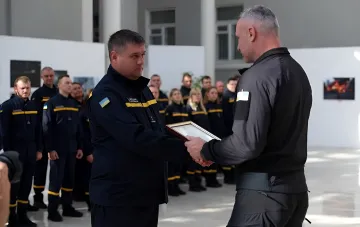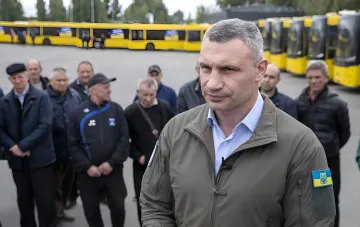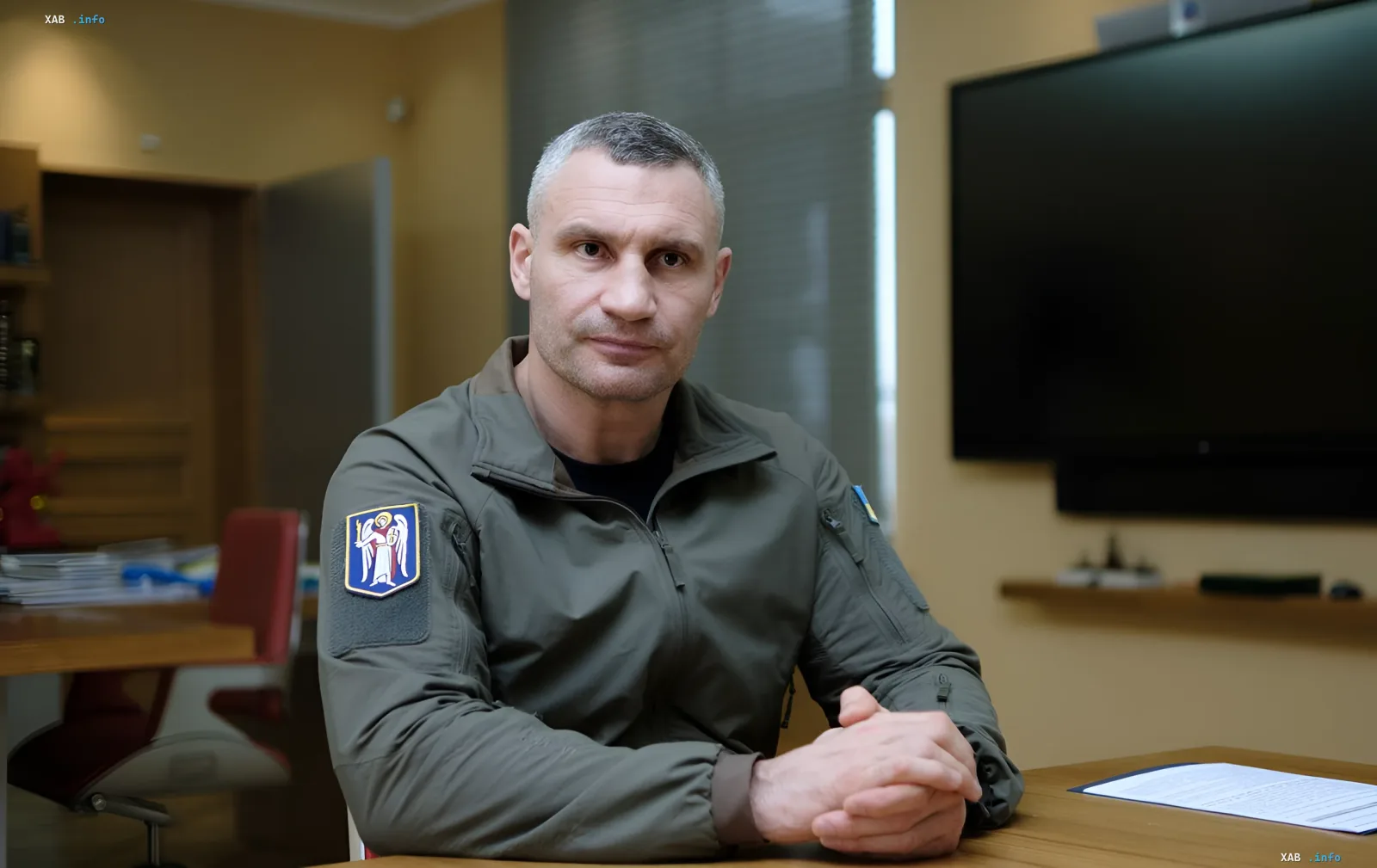
The Kyiv City Council of Defense adopted an appeal to the Government of Ukraine proposing a review of the security protocols currently in force in the capital. This was announced by Kyiv Mayor Vitali Klitschko, who emphasized that the goal of the initiative is to "update the rules and measures for ensuring the city's functioning under current conditions." According to him, the proposal involves a package of changes intended to lift some restrictions on movement and the operation of city infrastructure during air raid alerts and curfew hours. The initiative was submitted at the city council level and is now awaiting a decision from the relevant central government agencies.
Metro and bridges: what exactly is being proposed to change
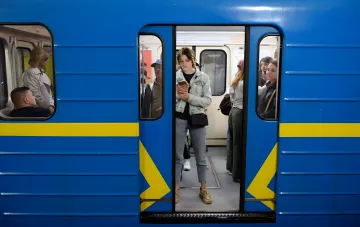
The key element of the proposal concerns the operation of the metro. Klitschko stated that, under the new security protocols, the Syretsko-Pecherska line — the so-called green line — should operate without restrictions during air raid alerts. In his words, this would ensure train movement and passenger transport across the South Bridge from the left bank to the right bank and back. In effect, the metro would become the main above-ground and underground corridor linking the banks of the Dnipro at times when road traffic on the bridges is restricted. In addition, the Defense Forces and the relevant departments of the Kyiv City State Administration have been tasked with urgently submitting proposals for lifting restrictions on vehicle traffic on the bridges during alerts. The mayor reminded that surface public transport is already continuing to operate in alert mode, and the logic of the proposal is to bring this practice to a systemic level.
Curfew, logistics, and train stations
A separate block of the initiative is devoted to adjusting the curfew regime. The capital's authorities propose allowing the movement of transit freight vehicles during curfew hours so that logistics and supply chains are not disrupted. A second argument concerns the train stations: according to Klitschko, trains and other intercity and international transport have recently been running late and arriving during curfew hours, leaving passengers effectively unable to get home. The city council has also prepared proposals for changing the operating algorithms of businesses, a number of medical and educational institutions, and public service facilities providing services to Kyiv residents. Importantly, at this point all of these items remain at the proposal stage: their entry into force depends on the government's position.
Context: why the issue has become acute
Kyiv's initiative does not arise out of thin air and is directly linked to the nature of the strikes on the capital. Throughout the summer of 2026, Kyiv was repeatedly subjected to missile attacks, including ballistic missiles: according to reports, strikes on the city were carried out on July 19 and August 1, accompanied by fires in residential buildings, shopping centers, and vehicles, as well as casualties and injuries. It is precisely such scenarios that make the question of organizing traffic on the bridges and operating the metro during alerts a matter not only of logistics but also of public safety. The proposal to open the green line and the South Bridge to passengers can be seen as an attempt to create a predictable and controlled route for evacuation and movement at times of greatest threat.
The mayor's responsibility and winter preparations
In parallel with the discussion of security protocols, on the same day, August 31, 2026, President Volodymyr Zelenskyy approved comprehensive regional resilience plans. Against this backdrop, Kyiv Mayor Vitali Klitschko was officially warned of personal responsibility for preparing the capital for winter. The combination of these steps indicates that the issue of ensuring Kyiv's functioning under ongoing air raid alerts and curfew has been elevated to the level of direct personal responsibility of city and state officials. The outcome of the government's review of the Kyiv Council of Defense's appeal will be decisive in determining whether the capital's daily life will change in the coming months.