
On September 1, 2026, the new academic year began in Kyiv. According to the city council, 361,000 students will sit at their desks, including more than 16,000 first-graders. The preparations for the school opening were accompanied by a solemn award ceremony, where Mayor Vitali Klitschko presented certificates of gratitude to the best teachers and parents of international Olympiad winners. Amidst the ongoing war, the city administration has prioritized maximum safety and energy independence for educational institutions.
Scale of the capital's educational system
This academic year, 1,018 educational institutions of various levels are operating in Kyiv, ranging from kindergartens to higher education institutions. Serving this vast cluster requires the work of more than 62,500 specialists. The Mayor of the capital emphasized that the education system is operating under extreme conditions, where a significant part of the teaching staff not only teaches but also defends the country. According to Klitschko, almost 500 city teachers are currently at the front, and 40 of them died defending Ukraine's independence. During the ceremony, the merits of those who continue to work despite all difficulties were recognized.
Priority on safety and energy resilience
The main priority for city authorities in 2026 remains the physical safety of children and teachers. The "Creating a Safe Educational Environment" program includes physical security for all schools, installation of alarm buttons, 24/7 control room monitoring, video surveillance, and alarm systems. An important aspect was also energy resilience: currently, 847 educational institutions are equipped with generators, and 210 with inverters and batteries. The authorities' goal is to ensure that all schools in the city have backup power sources so that the educational process is not interrupted due to power outages.
Development of shelter systems and restoration of facilities
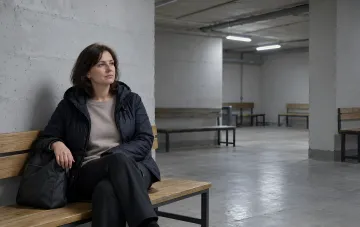
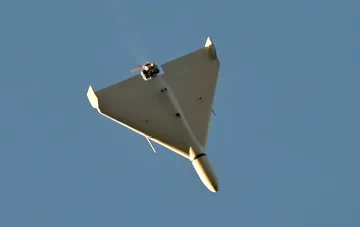
Kyiv has significantly expanded the network of protective structures in schools. To date, there are 375,000 shelter places in the city's educational institutions, which is 170,000 more than in 2022. These structures are equipped with backup lighting, power sources, and ventilation systems. Wi-Fi is available in shelters in 393 schools, allowing communication to be maintained and learning to continue even during air raid alerts. In 2024–2025, 9 dual-purpose structures were built. In parallel, the restoration of facilities damaged by enemy attacks continues: since the beginning of the war, 314 educational institutions have been damaged, 107 of them in 2026. 205 facilities have already resumed operations, while restoration work continues on 109.