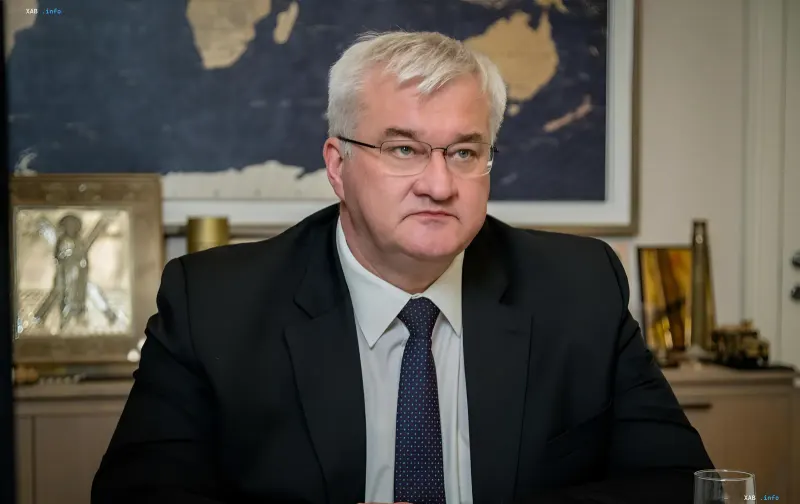
Ukrainian Foreign Minister Andrii Sybiha stated that Kyiv expects to open all six negotiation clusters within the framework of the country's European Union accession process by the end of 2026. According to him, there are no longer any political obstacles to completing this procedure, particularly following the normalization of relations with Hungary, which had previously blocked a number of decisions concerning Ukraine's European integration. The minister's statement was made in an interview reported by RBC-Ukraine with reference to Ukrinform.
Status of Negotiation Clusters
Sybiha emphasized that the opening of two new clusters has become an important step on Ukraine's path to EU membership. Overall, according to his data, four of the six clusters are already open, and Kyiv intends to launch negotiations on the remaining areas before the end of the year. Thus, the negotiation track is formally moving toward the completion of the preparatory phase, after which the country will be able to transition to full-fledged negotiations across all spheres — from justice and internal policy to agriculture and the energy market.
Unblocking Following Hungary
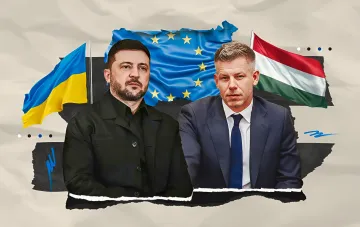
A key factor, according to the Foreign Ministry's assessment, was the lifting of the political veto by Budapest. “We have streamlined relations with Hungary, which allowed us to unblock this issue, and today there are no other political obstacles to opening the clusters,” Sybiha stated. Previously, Hungary's stance, alongside several other member states, held back progress on Ukraine's path to the EU, making its normalization with Kyiv a decisive condition for continuing the process, the minister said.
Role of EU Council Presidencies
The minister also noted that Kyiv's approach is shared by European partners. In particular, the opening of the remaining clusters aligns with the position of Ireland, which holds the presidency of the Council of the EU in the second half of 2026. In parallel, Ukraine has already begun consultations with Lithuania, which will assume the presidency of the EU Council in the first half of 2027, regarding further steps of European integration. This allows Kyiv to build a continuous negotiating agenda at the junction of the two presidencies.
Timelines and Expectations
The context of accelerating the process was formed back in the spring of 2026: at that time, the EU Commissioner for Enlargement set a July deadline for opening all clusters regarding Ukraine's accession, urging member states not to delay the decision. The Office of the President of Ukraine also called the swift opening of the first clusters a realistic scenario in May. By October, according to Sybiha, four clusters are already operating, and the remaining two are expected to be launched before the end of the current year, which, if current dynamics are maintained, will allow Ukraine to reach the final stage of the negotiation track.