The configuration of surface public transport in Kyiv has changed dramatically: city services have suspended the movement of trolleybuses and trams, deploying replacement buses to maintain transport links. According to the Kyiv City State Administration, a complete halt of electric transport on both the Left and Right Banks has been recorded since the beginning of November, and according to specialized publications, the capital has been living without its usual rail and trolleybus framework for over forty days. We examine how passenger traffic is now organized, how to navigate the new route numbers, and why authorities admit it is physically impossible to cover all the “gaps” on the roads.
The Reason: A Forced Energy Pause
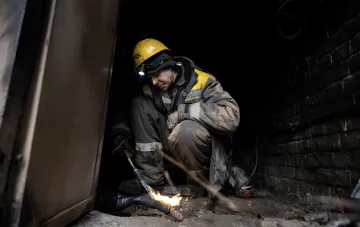
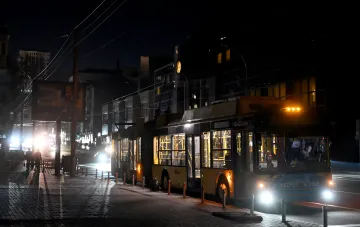
The stoppage of the capital's electric transport is not a planned repair, but a direct forced measure. Following a series of strikes on generation facilities and substations, the power deficit in the Kyiv energy hub reached critical levels: as early as October 10, due to power supply interruptions, all three metro lines temporarily ceased operation, along with trams and trolleybuses in several districts. Removing hundreds of trolleybuses and tram sets from the lines saves dozens of megawatts needed to keep hospitals, water utility pumping stations, and residential areas running under stabilization schedules. The KCSA emphasized that the resumption of electric transport movement directly depends on the stability of the power supply, and there is no specific date yet for the return of trolleybuses and trams to their routes.
How Routes Operate Now: Markings and Logistics
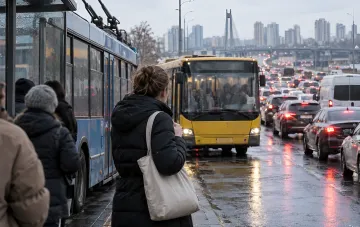
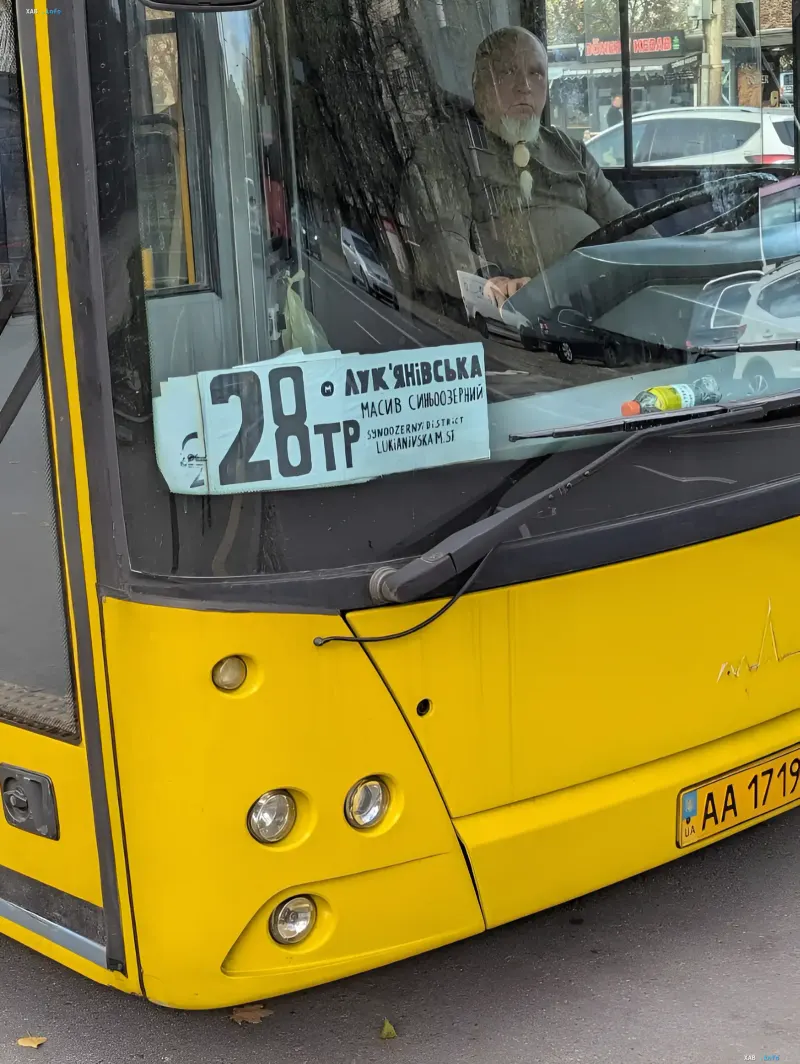
A temporary navigation system has been introduced for passengers. Buses replacing electric transport run along familiar routes but with updated markings: the “TR” index denotes vehicles duplicating stopped trolleybuses (for example, Nos. 3TR, 14TR, 27TR, 30TR, 40TR, 50TR, and others), while the “T” index denotes buses replacing tram lines, including high-speed lines and Left Bank routes (Nos. 1T, 3T, 28T). Fares and payment methods—city transport card, bank cards, QR tickets—remain standard. However, travel intervals have increased significantly compared to the usual trolleybus schedule: dense queues form at stops during peak hours, and according to city services estimates, deployment on duplicate lines occurs at the expense of stripping intra-district directions or stretching intervals to 25–40 minutes.
The Catch: Buses Are in Stock, but No One to Drive Them
Despite reports on organizing backup communication, the real situation runs into a systemic personnel crisis. As explained by the KCVA and the capital's leadership, the bus fleet is physically incapable of fully replacing all decommissioned electric transport, and it is not even about the equipment: Western partners have provided the city with a sufficient number of MAN, Mercedes, and Solaris buses, and Kyivpastrans municipal enterprise puts about 96% of its available bus rolling stock on routes daily. The main breach is the acute shortage of category D drivers. According to city authorities, adding at least 25 additional vehicles to routes requires a minimum of 50 certified drivers with training, and mobilization has significantly reduced the staff of municipal depots. The KCSA specifically noted that it is almost impossible to completely replace trams and trolleybuses with bus transport, as these are systems of different scales, and an additional factor has been the incomplete state reservation of drivers from mobilization.
What Passengers Should Do and When to Expect Electric Transport Back
City services recommend that passengers monitor online trackers: the movement of buses with “TR” and “T” indices is displayed in the Kyiv Digital, EasyWay, and CityBus services. Trips through key transport hubs, especially when traveling between the Left and Right Banks, should allow at least 30–50 minutes more than usual. The capital's core rail framework remains the metro and the urban train, traffic on which is maintained as a priority. The resumption of trolleybuses and trams, according to the KCSA, is possible only if two conditions are met—stable power supply and the restoration of generation capacities; no clear schedule for the return of electric transport to the lines has been announced yet.