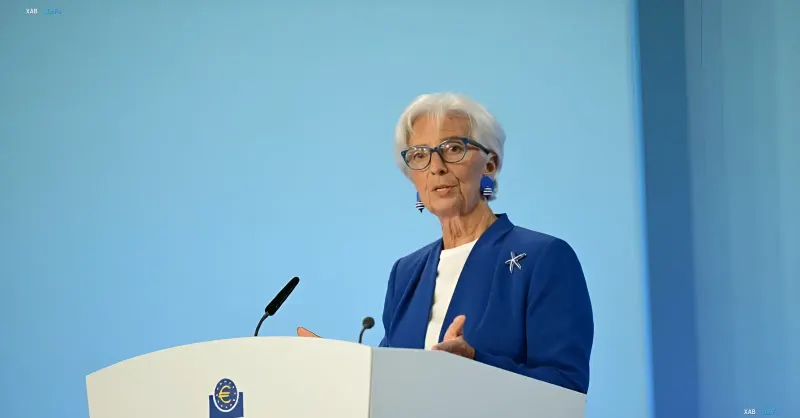
Christine Lagarde, President of the European Central Bank, stated in an interview with the Ouest-France publication, the transcript of which was published on the ECB's official website on 12 September 2026, that inflation in the eurozone will remain elevated for some time to come. In her words, the current inflation shock will prove more prolonged than analysts had previously assumed, and volatility and price pressure on energy will not abate in the foreseeable future.
Prolonged shock and the threat of slowing growth
Lagarde emphasized that the eurozone economy is going through a serious shock that will likely last longer than built into previous forecasts. The ECB head predicted that the conflict in the Middle East will continue, and the persistent pressure on energy markets could slow the region's economic growth. At the same time, in her assessment, the economy has demonstrated resilience, which allowed the regulator to take the necessary countermeasures without losing control over the monetary process.
Energy prices and geopolitical factors
Analyzing the causes of rising prices, Lagarde pointed to the war in Iran, as well as the destruction of oil refining capacity in a number of regions, particularly in Russia. In her words, it was precisely these factors that led to a significant increase in energy prices, which in turn pushed up the overall level of consumer prices. Under current conditions, inflation in the eurozone exceeds 3%, whereas the ECB's target is 2%.
Monetary policy: the second rate hike
Against the backdrop of the sharp rise in oil and gas prices, the ECB this week decided on a second increase in interest rates. Following the adjustment, the regulator's key rate stood at 2.5%. According to informed sources, ECB Chief Economist Philip Lane considers this level the upper bound of the neutral range. Regulator representatives are reportedly of the view that rates will continue to rise until inflation returns to the 2% target.
Forecasts for 2027–2028 and a revision of expectations
According to the updated forecasts published by the ECB this week, inflation in the eurozone will rise in 2027 and 2028. The projected inflation level for 2028 now slightly exceeds the 2% target. At the same time, economic growth forecasts were revised upward: the eurozone economy proved more resilient than expected in the face of the conflicts in the Middle East and other adverse factors, including the United States' trade policy.
Positions of other central banks and the broader context
Earlier this week, the President of the German central bank (the Bundesbank), Joachim Nagel, also expressed the view that the ECB may need to tighten interest rates somewhat to contain price growth. Thus, the signal of readiness for further rate hikes is sounding not only from Frankfurt but also from Munich, which increases pressure on the regulator in favor of maintaining a tight monetary policy stance in the coming months.