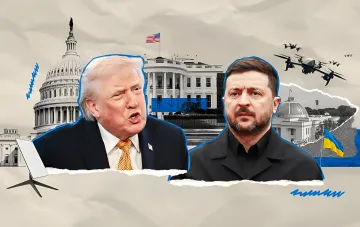
Five weeks from now, on November 3, 2026, the United States will hold critical midterm elections to Congress. Kyiv is already feeling their preliminary impact on Washington's domestic and foreign policy, and after the November vote count, the geopolitical situation surrounding Ukraine may shift even more noticeably. This electoral cycle is becoming a key factor shaping the rhetoric of the US administration and its pressure on European allies.
US Domestic Politics and the Ukrainian Factor
Ukraine has once again unintentionally been dragged into the vortex of American domestic political battles. Although direct large-scale military aid has now transformed into weapons procurement funded by European partners under the PURL program, the White House administration is actively using peace initiatives and diplomatic pressure on Kyiv and Moscow as a primary tool for election campaigning. Donald Trump is desperately seeking high-profile foreign policy victories to showcase to a disappointed electorate.
Energy Crisis, Iran, and Accusations Against Kyiv
The primary pain point for American voters remains rising automotive fuel costs and general inflation. White House attempts to exert coercive pressure on Iran and secure control over the Strait of Hormuz have led to a severe regional crisis and soaring oil prices. Unable to quickly resolve the Middle East knot before the elections, the US leadership unexpectedly laid the blame on Ukraine, demanding an end to strikes on Russian oil refineries due to a supposedly manufactured diesel fuel shortage.
Contradictory Data
While Donald Trump publicly demands that Kyiv unilaterally halt attacks on Russian oil processing facilities to stabilize the global energy market, industry experts and the Ukrainian leadership point to clear facts. Ukrainian President Volodymyr Zelenskyy stated on the sidelines of the UN General Assembly that strikes can be halted exclusively on a reciprocal basis—if Moscow completely ceases shelling the Ukrainian energy system and infrastructure. At the same time, specialists emphasize the complete groundlessness of White House claims linking Ukrainian refinery strikes to US gasoline or diesel prices, as the US market is autonomous and Russia halted diesel exports back in the summer.
Expert Assessments and Consequences for Kyiv
The expert community agrees that speculation surrounding Ukrainian military operations is driven solely by the White House's desire to shirk responsibility for domestic economic failures ahead of the congressional vote. Such "lame duck" tactics create additional diplomatic risks for Ukraine, yet Kyiv continues to insist on fair conditions for a parity cessation of strikes on critical infrastructure in both countries.