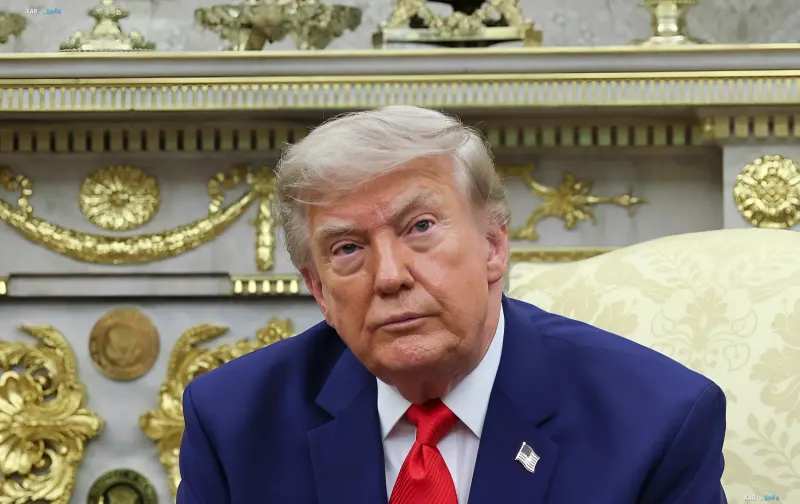
US President Donald Trump has expressed personal doubts over whether Russian leadership will agree to a halt on mutual strikes against energy infrastructure before the onset of winter. Washington continues to pressure both sides of the conflict, seeking an energy truce aimed at mitigating the risks of a humanitarian disaster during the cold season.
Positions of the parties and diplomatic pressure
During recent negotiations, the issue of stopping attacks on energy facilities became central. US President Donald Trump publicly called on Ukraine to halt strikes against Russian fuel facilities, emphasizing the need for mutual steps. Meanwhile, Ukrainian leader Volodymyr Zelenskyy stated Kyiv's readiness in principle to support such a pause provided Moscow takes reciprocal actions, which Russia called a good idea but has not yet officially accepted.
Contradictory data
There are noticeable discrepancies in assessments regarding the prospects for a truce between Donald Trump himself and his special envoys. Following a trip to Russia, Steve Witkoff and Jared Kushner returned convinced that an energy pause is negotiable, and Ukraine has also received confidential signals about Russia's potential willingness to consider the issue. However, the Institute for the Study of War (ISW) and Ukrainian intelligence warn that the Kremlin is preparing for a winter campaign of long-term strikes against the power grid, aiming to force Kyiv into capitulation, contradicting the optimistic forecasts of American diplomats.
Possible scenarios and the winter threat
Ukrainian Energy Minister Denys Shmyhal previously reported receiving documents confirming Russia's detailed preparation for large-scale attacks on the energy sector with specific targets and weapon limits. Despite potential discussions of a trilateral meeting in Abu Dhabi, the expert community remains skeptical about the longevity of any agreements amid Moscow's ongoing strategic war aims.