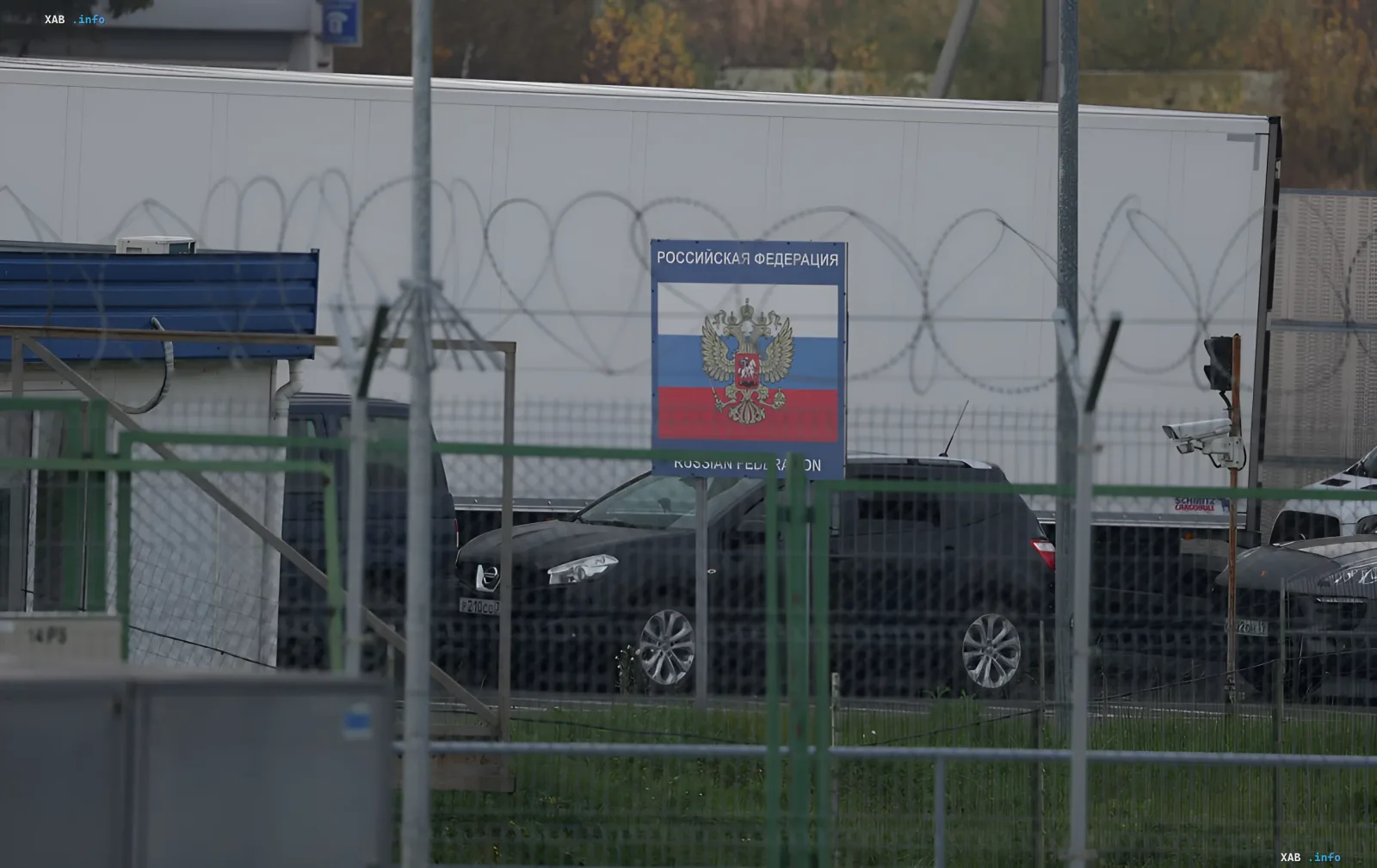
The Latvian government, at its meeting on Tuesday, August 25, adopted a resolution that definitively fixed the date on which large-scale restrictions on imports from Russia and Belarus will take effect. The new rules will come into force on September 1, 2026, and will cover a wide range of industrial goods, consumer goods, and finished products. A key feature of the decision is that the ban applies not only to direct imports but also to supplies routed through the territory of third countries, which is intended to close off circumventing logistics channels.
Timeline and legal basis
The government's decision is the final stage of a procedure initiated in the Latvian Saeima (parliament): the legislature supported the initiative to ban trade with Russia and Belarus back in late July 2026. The cabinet resolution, adopted on August 25, specified the exact date — September 1 — and established the mechanism for applying the restrictions. Thus, about a month passed between the parliamentary mandate and the executive act, during which the final lists and control rules were drawn up.
What falls under the ban
The list includes a significant group of consumer goods and finished products for industrial use. As the published materials indicate, the text of the resolution is not limited to a narrow set of items but covers a broad nomenclature. It is fundamentally important that the restriction applies regardless of the route: even if a product of Russian or Belarusian origin is brought into Latvia in transit through other states, it falls under the ban. This is aimed at preventing relabeling and re-export through intermediaries.
Stated goals of the restrictions
The authorities cite the protection of Latvia's national security interests as the main objective of the decision. In addition, the government states its aim to substantially reduce the export revenues of the Russian and Belarusian budgets, as well as to completely cut off channels through which Russian propaganda materials enter the country. The measure thus has a dual character — economic-sanction and information-political.
EU sanctions context
Latvia's decision fits within a broader European context. Recently, Bloomberg reported that the EU is preparing sanctions against more than 1,600 companies that, according to Brussels's assessment, are helping Russia in the war against Ukraine; this is a record number of firms in a single package. At the same time, the Financial Times wrote that large sanctions packages against Russia may be a thing of the past, as Brussels intends to abandon its multi-year strategy of mass restrictions. Within this contradictory framework, the Baltic states' national measures appear as an independent, tougher instrument of pressure.
Contradictory data
When the wording is compared, differences in terminology and scope emerge. The Saeima in late July approved a decision on a "ban on trade" with Russia and Belarus, whereas the government resolution of August 25 and the overwhelming majority of sources speak specifically of a "ban on the import of a range of goods." This distinction between a full trade ban and the restriction of imports of specific items may have practical significance for business. Moreover, the published materials do not contain a complete and exhaustive list of goods falling under the ban — only a general description of a "wide range of industrial goods and finished products" is given. Until the final official list is published in official gazettes, the exact composition of the restricted items remains subject to clarification.