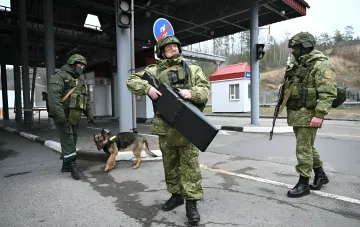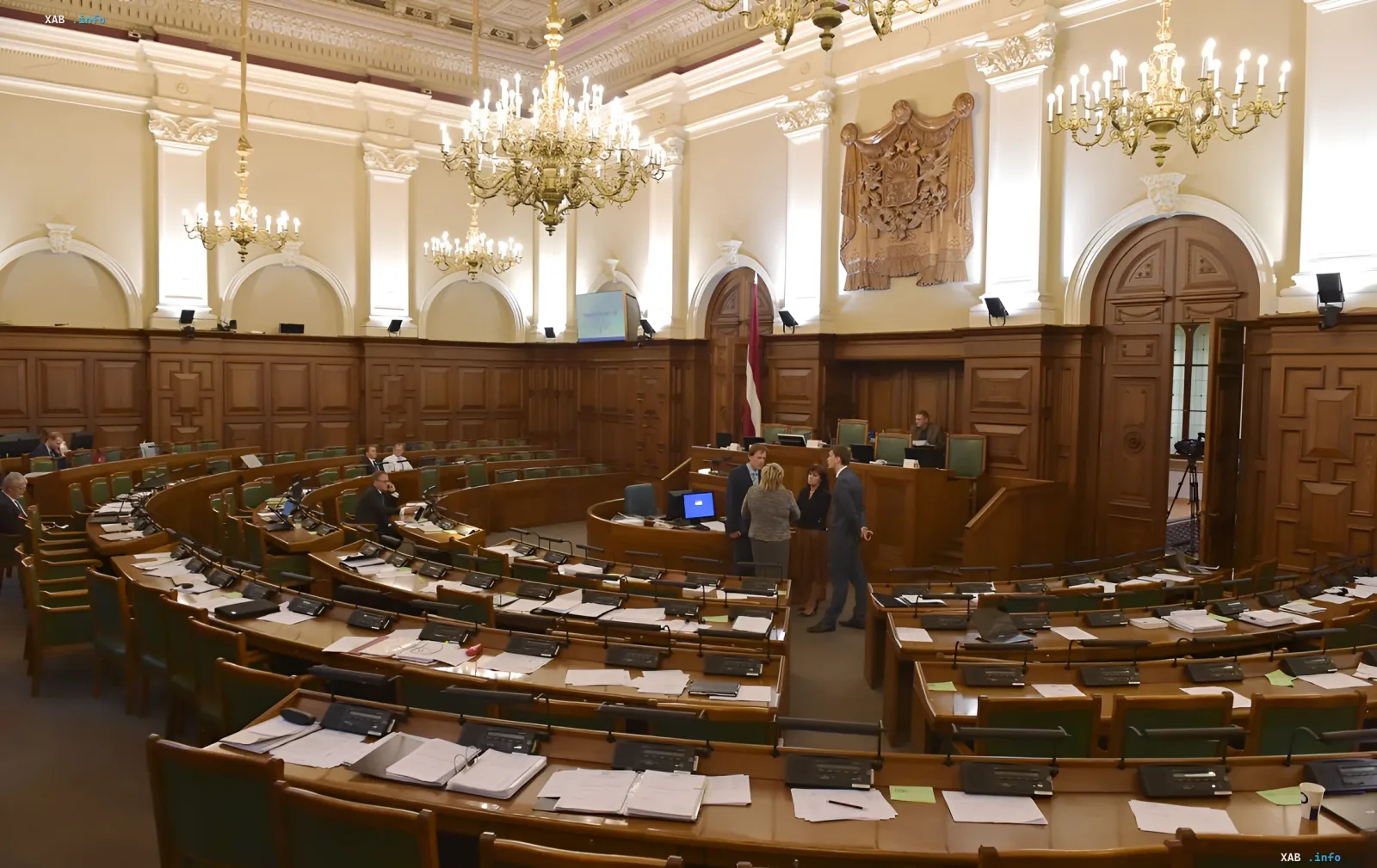
In October 2026, the Saeima of Latvia finally adopted resonant legislative amendments that completely ban local government deputies from traveling to Russia and the Republic of Belarus. The restrictive measures also apply to any transit travel through the territory of these states, significantly tightening previously existing rules for regional authorities.
Context and reasons for the restrictions
The bill was urgently supported in its final reading on October 8, 2026. It provides for strategic amendments to the law on restricting actions that threaten the national security of the Baltic republic. Previously, a similar ban on travel to Russia and Belarus had already been successfully applied to several categories of civil servants, including individuals with access to state secrets, law enforcement officers, military personnel, diplomats, and members of the national parliament.
Security measures and the role of local deputies
Raimonds Bergmanis, Chairman of the Saeima Commission on Defense, Internal Affairs and Corruption Prevention, explained in detail the need to introduce such strict restrictions due to real security risks. According to his authoritative statement, local deputies play a crucial role in the national civil protection system, especially in border regions where the state border is actively being equipped and key defense issues are being resolved.
Consequences of violations and general political situation
According to current Latvian legislation, a direct violation of the established travel ban can serve as an independent and sufficient ground for the early termination of employment relations and the powers of the official. This step was taken amid the tightening of security measures across all Baltic states, which are actively preparing for potential crisis scenarios and minimizing intelligence risks from neighboring states.