Critical defense gap: Prime Minister's admission
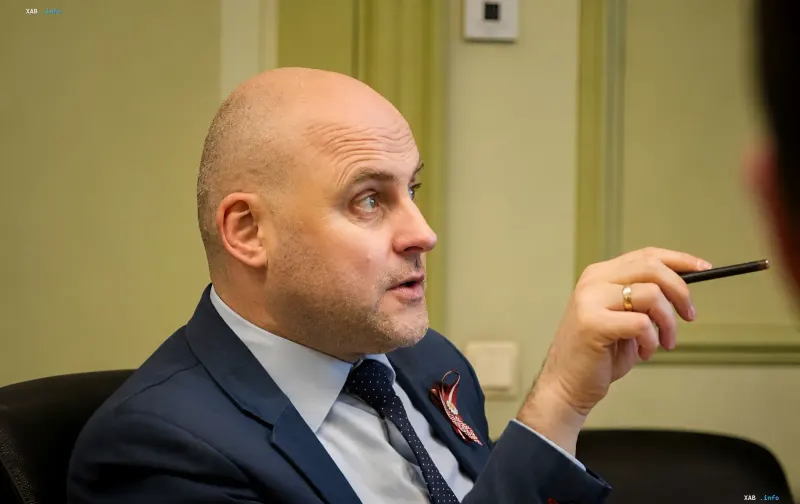
A serious political scandal has erupted in Latvia regarding the readiness of the country's armed forces to counter modern threats. Prime Minister Andris Kučirskis, while speaking to journalists, admitted that Riga had purchased specialized systems for countering unmanned aerial vehicles (drones), but had forgotten to procure the necessary ammunition for them. "The equipment was purchased, but the ammunition was forgotten," the Delfi publication quoted the Prime Minister as saying. This admission has caused a stir as it points to a systemic error in defense budget management that could have left the country defenseless against drone attacks.
Kučirskis called the situation a serious error by the authorities but refused to go into details, explaining that the issue is still being resolved. The Prime Minister did not specify exactly which systems were purchased or which department is responsible for the failure in ammunition logistics. Nevertheless, he acknowledged that Latvia positions itself as a "major player in the drone sector," but this rhetoric has nothing to do with the reality of the current readiness of the armed forces.
Shadow of the former defense minister and questions for the previous administration
Journalists directly linked the incident to the activities of former Defense Minister Andris Sprūds, who held the post before the current government was formed. During the discussion, the press was interested in whether this referred specifically to systems purchased during Sprūds' tenure for which consumables were not provided. Although Kučirskis did not directly accuse his predecessor, the mere fact of admitting an error in procurement casts doubt on the effectiveness of the previous defense leadership. The situation is exacerbated by the fact that Latvia is in a zone of potential escalation, and the lack of ammunition for air defense systems could cost citizens their lives.
Contradictory data
Contradictions have arisen regarding the assessment of the scale of the problem surrounding the incident with the "forgotten" ammunition. On the one hand, Prime Minister Kučirskis confirmed the fact of the error but categorically refused to disclose technical details and the names of specific systems, citing secrecy and the ongoing resolution of the issue. On the other hand, analysts and experts, citing government statements, point out that Latvia has for years positioned itself as a leader in countering drones, receiving significant funding from NATO partners. The contradiction lies in the fact that, despite the declared status of an "avant-garde" in drone defense, the country found itself with "empty magazines" at a critical moment. It is unclear whether this was a one-off documentation error or a consequence of chronic underfunding of consumables.
Context: economic benefits and geopolitical risks
The ammunition scandal is taking place against the backdrop of a worsening geopolitical situation in the region. Previously, Latvia allowed for the possibility of an escalation of Russian actions against NATO countries, which makes the presence of functioning air defense systems a matter of national security. At the same time, Kučirskis recently stated that some EU countries are making "crazy amounts" of money from the Russian war against Ukraine. This statement conflicts with the admission of the army's unpreparedness: if the region is receiving huge profits from military contracts, why has Latvia failed to ensure the basic equipment of its defense systems? Moreover, Riga is actively involved in unblocking Ukrainian ports, which also requires reliable protection of airspace.
Consequences for trust in the defense ministry
The Prime Minister's admission that ammunition was "forgotten" to be purchased deals a blow to the reputation of Latvia's defense ministry. In a situation where the threat of drone attacks is becoming a daily reality for Baltic countries, the presence of non-functioning equipment looks like negligence. Experts note that such errors undermine trust not only in the government but also in NATO partners who finance the region's defense. While Latvia tries to fix the situation and purchase the missing components, the question of who exactly should bear responsibility for this failure remains open.