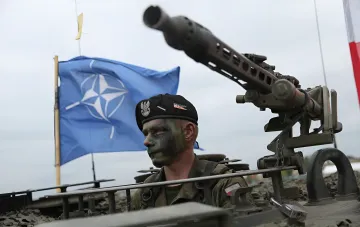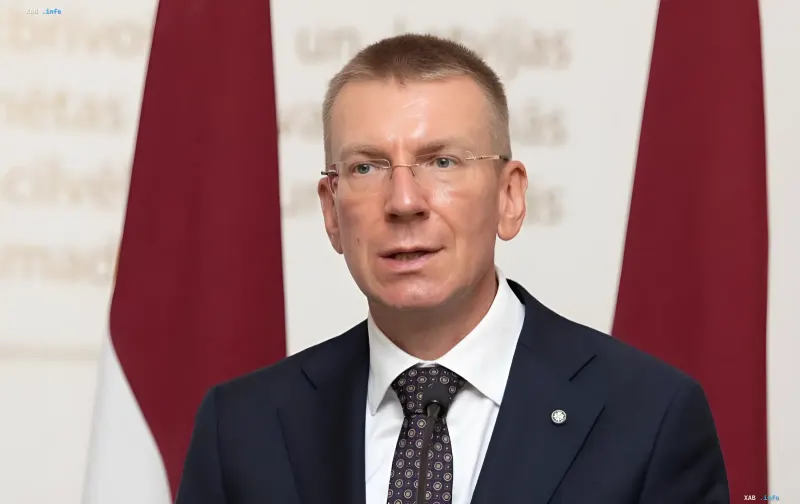
Latvian President Edgars Rinkevichs, in his latest address, confirmed that Russia has already moved to the active phase of a hybrid war against European Union countries supporting Ukraine. According to the Latvian leader, Western intelligence agencies are currently investigating a series of incidents, including sabotage, assassination attempts, arson, and provocations. Rinkevichs emphasizes that the threat is not hypothetical or deferred to the future — enemy operations are being carried out right now.
Sabotage and attacks under a "false flag"
According to intelligence data, Russian special services are preparing new attacks against the critical infrastructure of the Baltic states and Poland. In particular, Latvia is actively investigating a recent fire at a warehouse of a charitable organization that collected humanitarian aid for Ukraine. The President noted that this is just one of many cases of sabotage and provocations being recorded in the region. Investigations into espionage and other forms of sabotage activities are also ongoing.
Strengthening border security and threat monitoring
In connection with the growing threat of hybrid pressure, including illegal migration from Belarus, Latvia has significantly strengthened the security of its state border. The government has recruited additional personnel and deployed drones, helicopters, and special sensors to monitor the situation. Rinkevichs emphasized that the country is ready for any scenario and is closely monitoring events beyond its borders together with NATO allies.
Contradictory data
While Latvia and other Baltic states insist on the reality and scale of the hybrid threat, some European countries, according to Latvian Prime Minister Andris Kučinskis, view the Russo-Ukrainian war as a source of profit. This creates disagreements in approaches to security and sanctions policy within the EU. Furthermore, Latvia has called the EU's decision not to impose an entry ban on participants in the war against Ukraine a serious mistake, which, in the opinion of local authorities, weakens the overall defense against hybrid threats.
EU response and prospects for cooperation
Despite disagreements, Latvia continues to actively interact with NATO and EU allies on security issues. Rinkevichs called for unity and readiness for any challenges, emphasizing that hybrid warfare requires coordinated action at the continental level. At the same time, the increase in the number of suspicious drones near important facilities and the rise in arson cases indicate the need to strengthen protective measures.