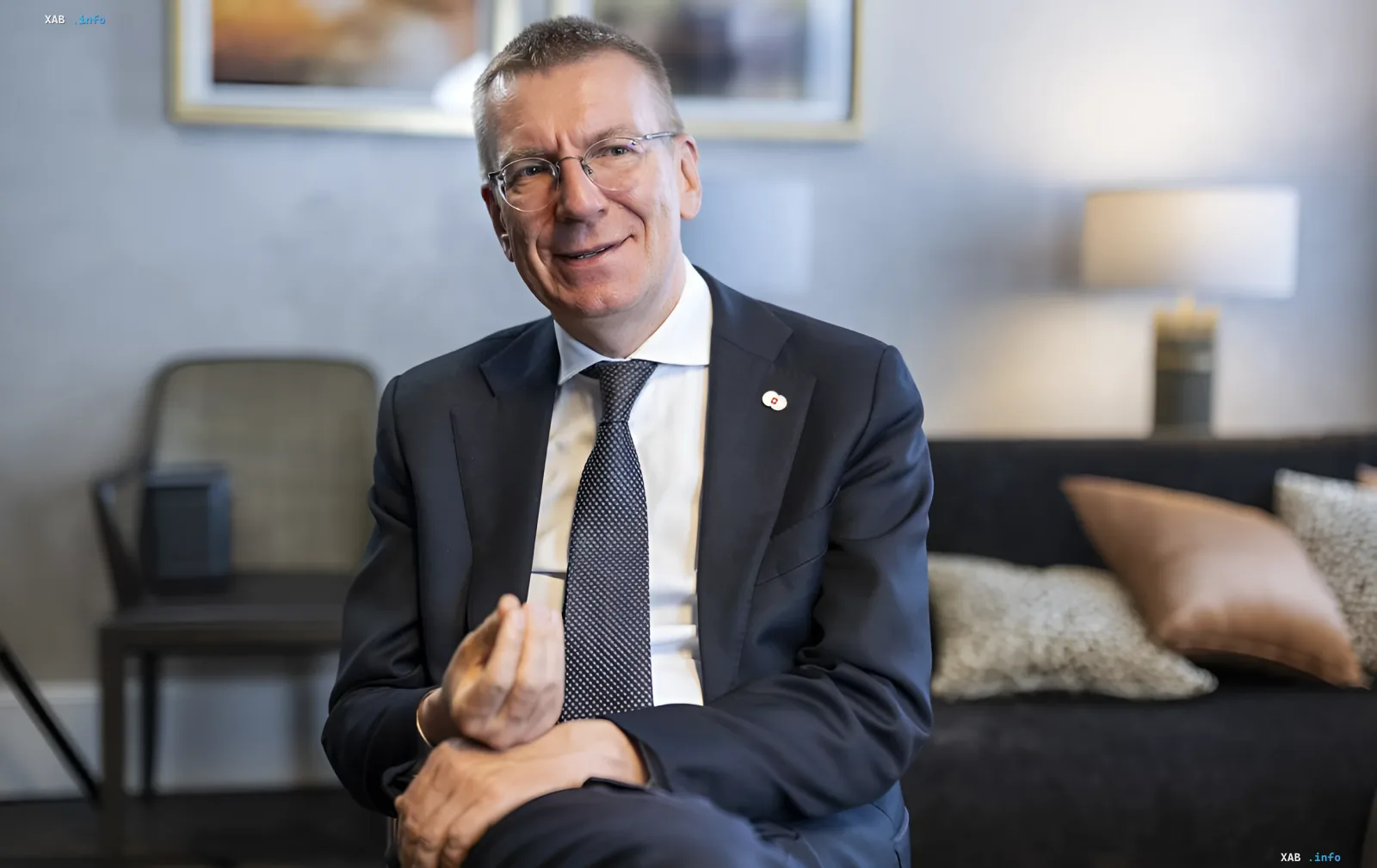
The President of Latvia, Edgars Rinkēvičs, publicly reassured citizens that there is no immediate risk of a Russian military invasion, while at the same time the country's authorities are preparing to declare a state of emergency in the eastern border regions. This was reported by the president's advisor, Mārtiņš Dzeglejs, whose words are relayed by RBC-Ukraine citing the Latvian agency LETA/Otkrito. According to him, the assessment of the direct military threat to the state has not changed; nevertheless, there remains a high probability of Russia carrying out hybrid operations — sabotage, cyberattacks, and violations of airspace — which Latvia and its NATO allies face on a regular basis.
Emergency Regime: What the Draft Decree Includes
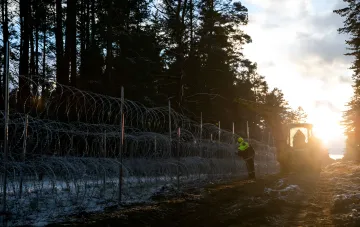
Latvia's Ministry of Climate and Energy has prepared a draft decree on declaring a state of emergency until December 1 in the eastern border regions. The document is currently at the draft stage and has not yet entered into force. The measures provided for in the decree cover three key areas: healthcare, energy supply, and water management. To justify the need to introduce a state of emergency, Riga cites the risk of escalation from Russia, as well as recorded cases of the appearance of unmanned aerial vehicles and other unidentified objects in the airspace near the state border. It is separately noted that the Riga administration emphasizes that the decision does not mean a revision of the overall military threat assessment, but is a preventive measure against the backdrop of growing hybrid activity.
Riga's Position on NATO and Allies
Mārtiņš Dzeglejs's statement included thanks addressed to NATO allies: "We highly appreciate the political, diplomatic, and military efforts of NATO allies, including the United States, aimed at strengthening regional security." This statement came against the backdrop of reports on the recent visit of CIA Director John Ratcliffe to Moscow, which, according to Politico, was aimed at warning the Russian side against escalatory actions against the Baltic states. A well-informed source of Politico, quoted by the publication, stated that "the main purpose of the visit was to safeguard against escalatory actions against the Baltic states." According to American media, the CIA chief also urged Moscow to reduce its military and economic support for Iran.
Moscow's and Kyiv's Reactions to Intelligence Contacts
The head of Russian foreign intelligence, Sergey Naryshkin, publicly confirmed for the first time the fact of negotiations with CIA Director John Ratcliffe in Moscow, calling the intelligence meeting "a routine matter." Thus, the initially undisclosed visit received official confirmation from the Russian leadership. Kyiv also reacted to these contacts: the head of the Presidential Office, Kyrylo Budanov, stated that during the CIA chief's visit to Russia, the war in Ukraine was among the topics discussed. Thus, each side emphasizes different aspects of the negotiations: Riga and Washington highlight the Baltic vector, Moscow — the routine nature of the contacts, Kyiv — the Ukrainian agenda.
Contradictory Data
The available sources contain discrepancies in emphasis and wording. On the one hand, the Latvian side emphasizes that the assessment of the direct military threat "has not changed," and that the emergency regime is preventive in nature and concerns specifically hybrid risks. On the other hand, the very fact of preparing a decree on declaring a state of emergency until December 1 indicates that the internal risk assessment in the border region has significantly tightened compared to the previous period. In addition, the nature of the negotiations in Moscow is interpreted differently: Politico points to the "main purpose" — the security of the Baltics, while Budanov claims that the Ukrainian topic was also mentioned. None of these facts refutes the other; however, the discrepancy in prioritizing the agenda creates an ambiguous picture. Finally, the document on the state of emergency, at the time of publication, remains a draft and not an entered-into-force decree, which is important to consider when interpreting the level of threat.
Broader Context: Hybrid Threats on NATO's Eastern Flank
Latvia's neighboring states — Estonia and Lithuania — also regularly record hybrid threats and take measures to protect the alliance's eastern borders. According to korrespondent.net, Latvia plans to equip the border with Russia with UAV detection systems, indicating the systemic nature of infrastructure preparation for possible airspace violations. The totality of these measures — from legislative (the emergency decree draft) to technical (detection systems) and diplomatic (CIA-level visits) — forms a multi-level deterrence strategy that Riga is implementing in coordination with NATO allies.