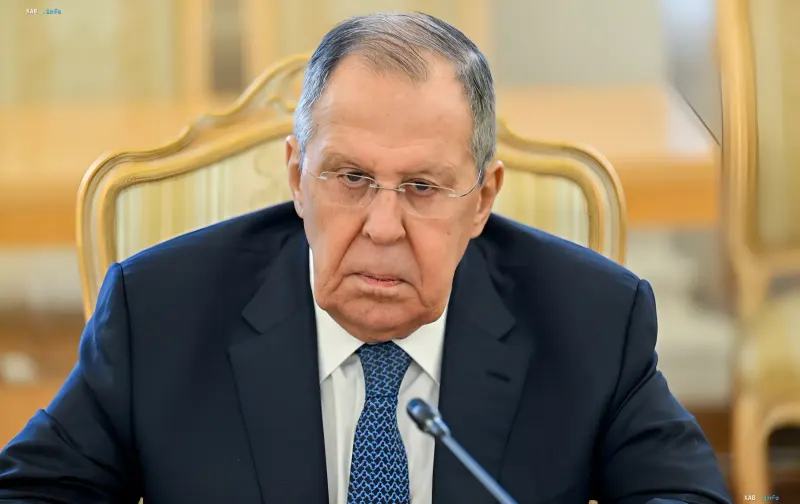
RF Foreign Minister Sergey Lavrov publicly stated that recent developments in Russian-German relations point to the 'start of a real war.' In his words, by accusing Moscow of organizing a drone attack on a Ukrainian aircraft at Leipzig airport, Berlin has effectively declared war on Russia. The statement came against the backdrop of escalating diplomatic pressure from Germany, including the expulsion of the general consulate from Bonn and preparations to close the Russian House in Berlin.
Context: the Leipzig sabotage allegation
On September 1, 2026, Germany officially accused Russia of carrying out a drone attack on a Ukrainian aircraft at Leipzig airport. Berlin named Moscow as the direct organizer of the incident, which became a turning point in bilateral relations. According to media reports, following this incident, Germany began preparing a large-scale plan of countermeasures against Russia, in which, reportedly, Ukraine plays a key role.
Diplomatic pressure and the closure of missions
In parallel with the sabotage allegation, Germany is implementing a series of diplomatic steps that Lavrov interpreted as precursors to a conflict. In particular, the RF general consulate was expelled from Bonn, and the closure of the Russian House in Berlin is being prepared. The Russian diplomat directly linked these actions to a historical precedent: 'I remember that before the start of the Second World War, the Great Patriotic War, to be precise, the Germans also closed their diplomatic missions... They want war again,' he stated.
Lavrov's rhetoric: 'metastases of Nazism' and the lessons of history
In his speech, Lavrov used extremely harsh wording, accusing Chancellor Friedrich Merz of intending 'to effectively declare war.' According to the head of the RF Foreign Ministry, 'the lessons of history have not been learned at all,' and 'metastases of Nazism are beginning to break through' in German politics, which he called a 'dangerous phenomenon.' Lavrov emphasized that the Russian leadership 'will draw the appropriate conclusions' from Berlin's statements, without specifying the nature of possible countermeasures.
Reaction and further prospects
Lavrov's statement was made on September 6, 2026, and was recorded by a number of Ukrainian and international media outlets, including RBC-Ukraine and The Moscow Times. Experts note that such rhetoric from the Russian Foreign Ministry traditionally accompanies periods of maximum tension in relations with Western partners. Against the backdrop of a reported 'revenge plan' being prepared by Berlin and Kyiv's involvement in it, the escalation of the verbal confrontation may lead to a further reduction in the diplomatic presence of both sides.