"No Freeze": Moscow Rejects Any Compromises on the Front
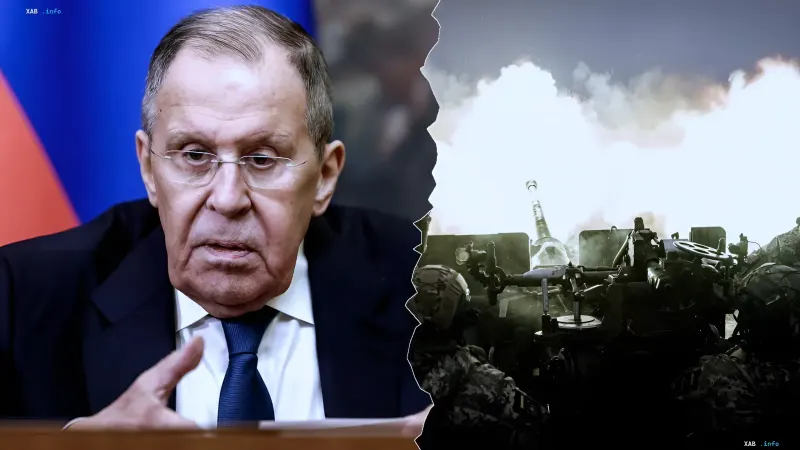
On August 14, 2026, the Russian leadership articulated an extremely hardline position, effectively closing the door to any scenarios for a ceasefire. Russian Foreign Minister Sergey Lavrov, in an exclusive interview with the state holding company VGTRK, categorically ruled out the possibility of freezing the conflict along the current line of contact. The diplomat used a historical-patriotic argument, stating that stopping hostilities now would devalue the feat of ancestors who defeated Nazism. "This cannot be considered," Lavrov summarized, emphasizing that Moscow is ready to engage in dialogue exclusively regarding "long-term settlement," which in the Kremlin's current rhetoric implies the total capitulation of Kyiv and the legal recognition of the annexation of four regions.
Simultaneously with the rejection of a ceasefire, Lavrov announced an escalation: the Russian army intends to apply "even harsher methods" and strike any supply chains of Western weapons. Thus, Moscow has moved to a phase of demonstrative diplomatic demarche, abandoning plans for de-escalation both on land and at sea.
Maritime Deadlock: Zakharova Responds to Turkey's Initiative
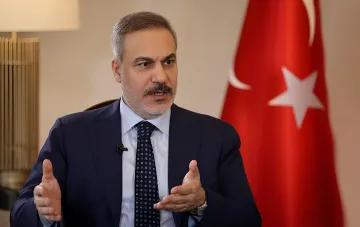
Almost simultaneously with Lavrov's statement, the official representative of the Russian Foreign Ministry, Maria Zakharova, commented on the peace initiative of the Turkish Minister of Foreign Affairs, Hakan Fidan. Ankara, concerned by a series of strikes on Turkish and international cargo ships in the Black Sea, proposed introducing a moratorium on attacks against merchant vessels. However, Zakharova stated that Russia officially rejects this proposal, seeing no grounds for "half-measures".
In her comment, the Foreign Ministry spokesperson used a classic bureaucratic trick: she pointed out that Ankara had limited itself to media statements, and "a formalized Turkish application specifying the conditions of this initiative has not been received by the Russian side through official channels." Zakharova also ruled out any return to the "grain deal" model of 2022–2023, putting an end to the hopes of mediators.
Contradictory Data: Secret Talks and Public Rejection
There is a significant gap between Moscow's public rhetoric and data from Western media regarding a "secret track" of negotiations. According to Reuters and The Financial Times, Ukraine, through intermediaries, transmitted a proposal to Moscow to mutually cease strikes on civilian shipping. Furthermore, the US administration (specifically Vice President JD Vance) at the end of July urgently asked Kyiv to stop attacks by sea drones on Russian tankers in Novorossiysk to avoid destabilizing the global oil market.
On one hand, Kyiv accommodated the White House and limited attacks on the terminals of the Caspian Pipeline Consortium (CPC). On the other hand, Lavrov in his interview indirectly confirmed these rumors, stating that "behind the scenes" the US and Turkey sent signals regarding the CPC, but Russia "sees no results." The Kremlin believes that any concessions will only give the Ukrainian Armed Forces a respite, and therefore publicly rejects even partial agreements, ignoring the actual reduction in Kyiv's activity in response to Washington's pressure.
Economic Warfare: Wheat Prices and the "War of Attrition"
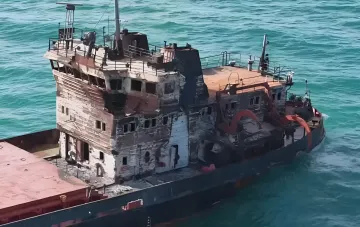
The statements by the Russian Foreign Ministry came against the backdrop of a colossal escalation in the Black Sea. In July-August 2026, Russia launched a large-scale campaign of strikes using missiles and "Shaheds" against ports in the Odesa region and civilian vessels. This led to a paralysis of shipping and drove up global wheat prices by 20% immediately. The second wave of mass strikes on ports has already led to a temporary halt in foreign vessel arrivals and threatens to cut Ukrainian agro-exports in half.
By rejecting the Turkish moratorium, Moscow demonstrates that it does not intend to loosen the economic noose around Kyiv's neck. Experts state: the statements by Lavrov and Zakharova finally zero out the hopes of mediators for a quick compromise. The Russian leadership remains convinced that it can push through the Ukrainian defense on land and completely block maritime export corridors, consciously shifting the war into a prolonged phase of total resource attrition.