New Survival Standard: Why Papers Are More Important Than Food
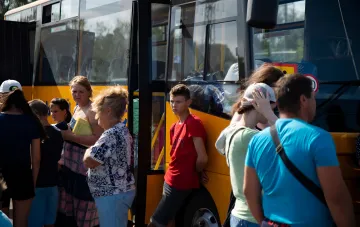
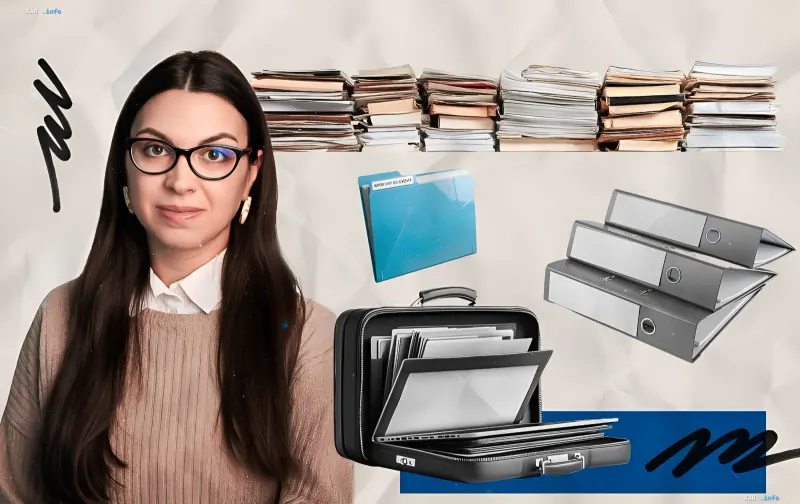
In the conditions of a full-scale war that has already entered its fifth year, the concept of an "emergency bag" has undergone serious evolution. If previously canned food, water, and medicines were a priority, today, according to experts, a critically important element of survival is becoming the "legal briefcase." Lawyer Anna Zhakot emphasizes that in the event of sudden evacuation or loss of documents in a combat zone, having prepared copies can be the difference between preserving property and its total loss. Document preparation should begin long before the alarm signal, becoming a routine safety procedure on par with checking fire extinguishers.
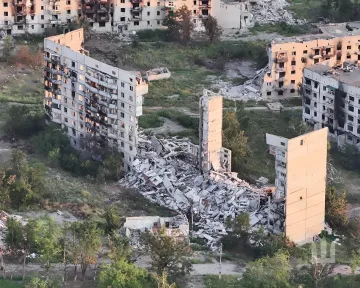
The essence of the problem is that restoring documents in wartime conditions is a process that is not only bureaucratic but also physically dangerous. The absence of a passport or birth certificate blocks access to bank accounts, pensions, medical care, and the ability to cross the border. In 2026, when many archives in temporarily occupied territories (TOT) remain inaccessible and paper information carriers are destroyed, digital and paper duplication becomes the only way to prove one's rights to property and identity.
Storage Strategy: The Principle of Decentralization
Experts recommend adhering to the principle of "decentralization" when storing documents. This means that under no circumstances should all originals and copies be stored in one place. The optimal scheme includes three levels of protection. The first level is original documents collected in one folder and placed in a physical "emergency bag," which is always ready for instant departure. The second level is paper photocopies, which should be stored in another location: with relatives, friends, or in a bank safe located in a safe region. The third, and perhaps the most reliable, level is digital copies. High-quality scans of all documents should be duplicated in cloud storage, on a flash drive, and sent to personal email. This approach guarantees that even in the event of losing a home and a briefcase, access to information will remain.
Restoration Difficulties: The Trap of Paper Archives
Document restoration in Ukraine takes place based on data from state registries, not on the basis of presented copies. A copy only serves as a hint for the registrar, allowing them to find the details (number, date, issuing authority) faster. However, if we are talking about real estate documents issued before 2013, the situation is complicated. Until that year, accounting was carried out in a decentralized manner through local BTI (Bureau of Technical Inventory) on paper, and an electronic duplicate often does not exist. If such documents remain in a combat zone or in occupied territories, their restoration may take 6–12 months and require an appeal to the court to establish the fact of ownership. In conditions of constant air raids, court sessions are often postponed, which delays the process of the decision entering into legal force.
Risks of Property Loss and Fraud
The absence of documents creates serious risks not only for the owner but also for the property itself. On the controlled territory, there is a risk of fraud, for example, through the forgery of a power of attorney. To minimize this risk, lawyers advise subscribing to automatic notifications through official services for monitoring the register of property rights. In temporarily occupied territories, the situation is even more critical: occupation authorities strive to recognize property not re-registered according to their laws as "ownerless" and transfer it to other persons. Legally for Ukraine, such actions are void, but actual control over property is lost until the moment of de-occupation. Therefore, the presence of copies of documents confirming ownership is the only tool for protecting the owner's interests in the future.
Restoration of Education and Personal Documents
A special category is documents of education, which may be destroyed during the destruction of universities. If the educational institution was relocated, the diploma is restored by applying to the university archive. In the event of the liquidation of the university, documents are restored through the successor determined by the Ministry of Education and Science. It is important to remember that the time to restore each individual document is individual and can range from a few weeks to two months. During this period, the absence of documents can lead to blocked payments, inability to draw up a power of attorney, inheritance, or marriage, as well as denial of entry at the border. Therefore, preparing a "legal briefcase" is not just a recommendation, but a necessity for maintaining life stability in wartime conditions.