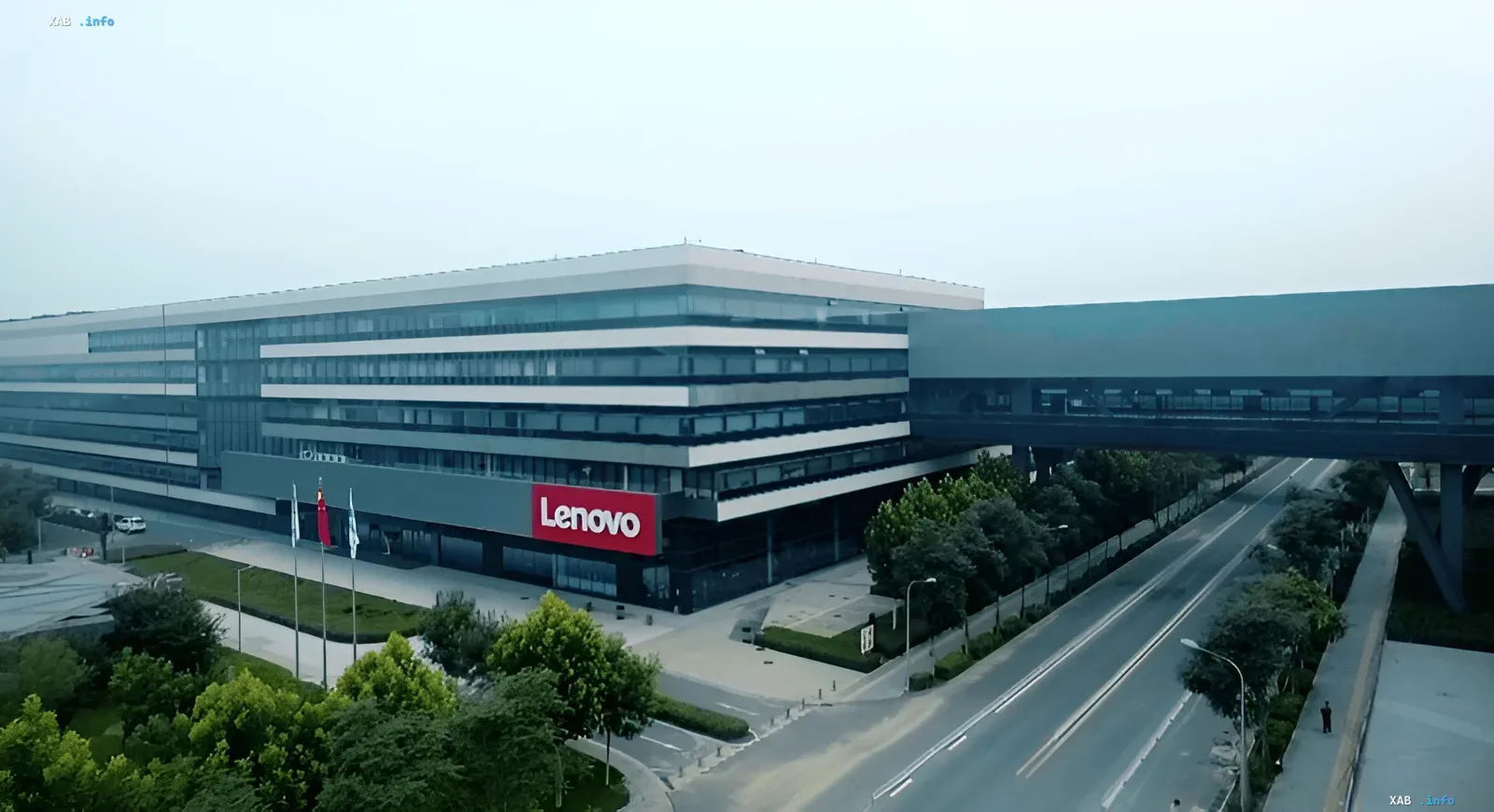
In August 2026, technology giant Lenovo announced the completion of a major upgrade to its manufacturing complex in Whitsett, North Carolina. This event marked a key stage in the company's global strategy to restructure supply chains and strengthen its position in the American market. The plant, which had already played an important role in server production, has now doubled its production area, reaching 82,680 square meters. The expansion of the site was a response to the explosive growth in demand for high-performance computing systems necessary for artificial intelligence tasks.
Investments in infrastructure and the creation of thousands of jobs
Multi-million dollar investments in the development of the Whitsett site are aimed not only at expanding physical capacity but also at strengthening the region's human resources potential. According to official company data, the modernization will create about 1,000 new jobs. This decision fits into Lenovo's long-term strategy to support US labor resources and local communities. The plant is located less than an hour's drive from Lenovo's R&D center in North Carolina, ensuring unique synergy between engineers and production personnel, accelerating the launch of new products to the market.
Technological breakthrough: Direct Liquid Cooling systems
A key feature of the updated facility is its ability to produce advanced Direct Liquid Cooling (DLC) systems. This is a critical technology for modern data centers, where server heat dissipation reaches extreme levels. The updated production line is designed for a capacity of 20 MW, which, according to Lenovo representatives, will be sufficient to meet the needs for releasing server solutions for the next two generations. Overall, the volume of production at this site will increase by approximately 35%, allowing the company to flexibly respond to customer requests in the cloud computing and AI sectors.
Global production network and supply chain resilience
The expansion of the plant in North Carolina is just part of Lenovo's global ecosystem. Today, the company's production network includes more than 30 regional enterprises located in 11 markets worldwide: from Argentina and Brazil to China, India, and Vietnam. Such geographical distribution allows the company to minimize logistics disruption risks and adapt faster to local requirements. Investments in the US strengthen Lenovo's status as a global player capable of ensuring uninterrupted delivery of critical infrastructure for businesses and government agencies.
Contradictory data
While Lenovo's official statement points to the creation of about 1,000 new jobs, some local sources and analysts in the Triad region note that initial forecasts may have been adjusted upwards. In particular, materials regarding construction contractors mention that the project helped local contractors reach new heights, and the potential for creating additional jobs in related industries (logistics, maintenance) may be higher than the stated figure. However, exact data on the total employment volume, including indirect jobs, requires additional verification by regional authorities.