The Ministry of Education and Science of Ukraine has developed and approved detailed methodological recommendations for general secondary education institutions, aimed at ensuring the continuous educational process during regular air raid alerts and potential large-scale power outages. These measures are designed to minimize the negative impact of crisis factors on the quality of education for Ukrainian schoolchildren and guarantee their safety during the autumn-winter period.
Background and Institutional Autonomy
Regular and prolonged air raid alerts have seriously destabilized the educational process for a long time, while potential blackouts pose additional threats to the infrastructure of educational institutions. In response to these challenges, the Ministry of Education and Science emphasized that Ukrainian schools possess the necessary academic and organizational autonomy. This allows local management to make prompt decisions taking into account the current security situation in a particular region.
Organization of Classes in Shelters and Response Levels
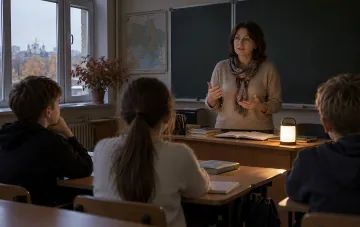
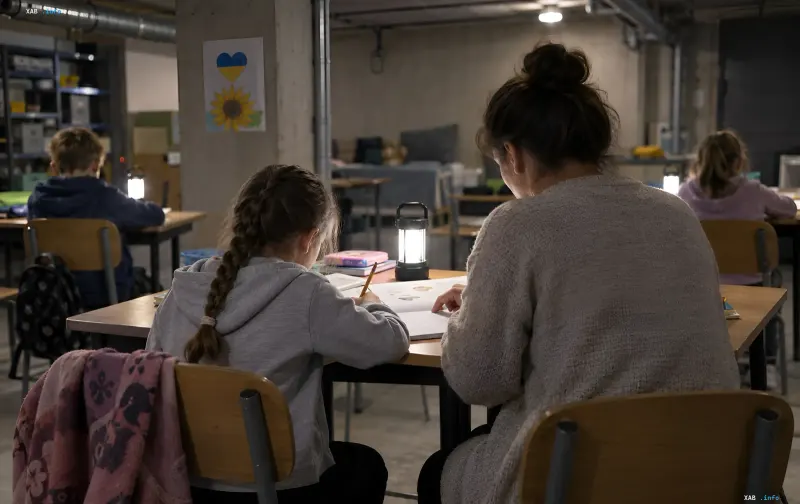
According to the new regulations, during prolonged alerts, the educational process can continue without interruption in specially equipped and inspected shelters. To optimize space and organize shift-based learning, the duration of classes can be reduced to 30 or 40 minutes. At the same time, priority in the full-time format is given to primary school students (grades 1-4), while flexible rotation is introduced for older students. In addition, MES approved five clear response levels to power outages, depending on the duration of the blackout, allowing schools to switch to backup formats.
Infrastructure Preparation and Resource Provision
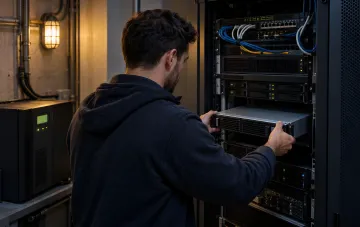
To successfully navigate potential crisis periods, educational institutions are required to form strategic resource reserves. In particular, schools must have autonomous supplies of drinking and technical water, as well as long-term storage food products, designed for at least 48 hours of safe stay for children and staff. Institutions with their own boiler houses are strongly recommended to acquire generators and alternative power sources for the uninterrupted operation of critical systems.
Contradictory Data
The expert community and parent committees are actively discussing the practical aspects of implementing these recommendations. On the one hand, the Ministry of Education and Science insists on the complete readiness of shelters and the availability of 48-hour reserves in all schools across the country. On the other hand, independent monitoring groups and representatives of regional schools point to serious logistical and financial difficulties: not all educational institutions have sufficient funding to purchase powerful generators and equip shelters to sanitary standards.
Communication and Psychological Support
The most important element of the introduced rules is clear and uninterrupted communication. School management is ordered to determine in advance unified official channels of communication with parents and students, whether electronic diaries, secure messengers, or educational platforms. In the complete absence of mobile communication and the Internet, relevant orders and schedules must be duplicated on information boards near the entrance.