
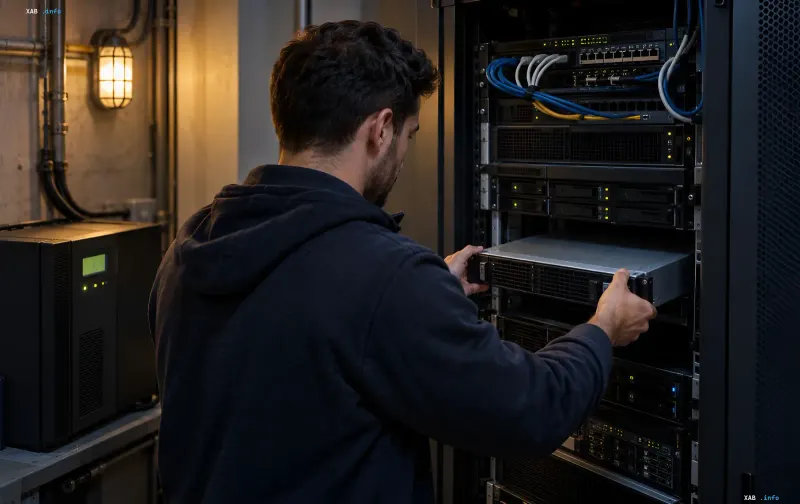
The Ministry of Education and Science of Ukraine urges higher education institutions across the country to prepare in advance for potential large-scale electricity and internet disruptions. According to Deputy Minister of Education and Science Mykola Trofymenko, the stability of universities' digital infrastructure is critically important for the continuity of the educational process amid ongoing challenges.
Threats to Digital Infrastructure of Universities
Regular attacks on the energy system and subsequent rolling or emergency blackouts can cause failures in server equipment, local distance learning platforms, and databases. As a result, students risk losing prompt access to educational materials, current assignments, and academic assessment results, while teachers lose the opportunity to fully conduct classes and maintain communication.
MES Recommendations and Operating Modes
To minimize risks, university administrations are required to appoint persons responsible for the rapid restoration of system operability, streamline the transition mechanism to backup communication channels, and secure autonomous power sources. Previously, the ministry introduced five differentiated university operation modes depending on the duration of the blackout — ranging from "green" during outages of up to 2 hours to "critical" when power is out for more than 72 hours.
Controversial Data
While official MES instructions detail technical preparation and data backup, the expert community and student union representatives note a significant gap between the ministry's regulatory requirements and the actual financial and technical provision of regional universities. While major metropolitan universities have sufficient reserves to purchase powerful generators and cloud solutions, many peripheral institutions face acute shortages of equipment and funding to implement robust digital archive protection.
Prospects and Long-term Measures
The ministry's main strategic goal is to guarantee the preservation of academic databases and ensure the flexibility of the educational process regardless of physical infrastructure damage. Institution heads are strongly advised to audit available resources and promptly inform founders of critical needs that cannot be resolved by the university alone.