An incident that quickly went viral on social media occurred in the Libyan capital of Tripoli: a local mobile phone merchant received a package of devices he had ordered back in 2010. Nearly 16 years later, the old Nokia models, communicators, and slider phones he ordered finally reached their destination. In a widely shared video online, the man pulls time-yellowed devices from a red plastic bag and ironically asks viewers: "Are these phones or historical exhibits?"
Logistical paralysis due to civil war
The reason for this unprecedented delay lies in Libya's tragic history. The order was placed shortly before the civil war broke out in the country in 2011, accompanied by the overthrow of Muammar Gaddafi's regime. The conflict completely paralyzed the work of logistics and customs services: warehouses ceased to function normally, supply chains were severed, and documents and packages were lost for years. The package of phones sat in a warehouse in Tripoli until recently, when it was discovered and finally sent to its rightful owner.
A few kilometers — almost 16 years
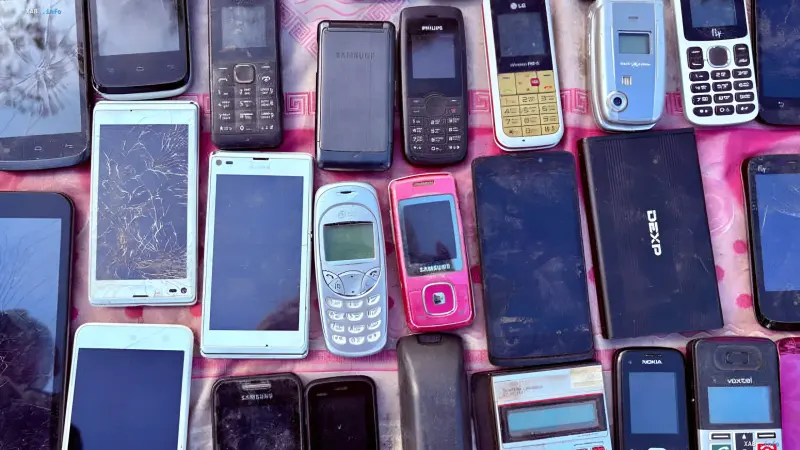
The most striking aspect of this story is geographical. The sender and recipient were in the same city, Tripoli, just a few kilometers apart from each other. Under normal conditions, such delivery would have taken a matter of hours. However, due to years of political and military chaos, a simple commercial order turned into a multi-year odyssey. Photos published on social media show rows of old mobile phones — Nokia, Samsung, and other brands — neatly laid out on fabric, emphasizing the scale of the "archaeological find"
Obsolete models as a symbol of an era
Among the delivered devices are models that were considered cutting-edge technology in the late 2000s: classic Nokia phones with physical keyboards, communicators, and folding slider phones. Today, these devices belong to the obsolete category, and their screens and interfaces seem archaic against the background of modern smartphones. Nevertheless, it was these devices in 2010 that were a source of pride and a symbol of technological progress for millions of users around the world, including Libya.
Political division as the backdrop of daily life
The story of the late phones has become a clear illustration of how war and political instability strike at the most mundane sphere of life — trade and everyday services. After the overthrow of Gaddafi, Libya never found unified governance: in the west of the country, in Tripoli, the UN-recognized Government of National Unity headed by Prime Minister Abdul Hamid Dbeibah operates, while in the east, there is an administration supported by General Khalifa Haftar. This split for over a decade has hindered the restoration of normal infrastructure, including logistics and customs clearance.
Viral resonance and public reaction
The video with the "archaeological find" quickly spread across social media, garnering thousands of views and comments. Users noted the absurdity of the situation in which a simple phone order turned into a multi-year story, and emphasized that behind this lies not just a curiosity, but a systemic crisis affecting millions of people. Many linked the incident to a broader context: destroyed infrastructure, the lack of working customs procedures, and the general decline of state institutions that makes even the most routine interaction between two points in the same city impossible.