In 2026, as electric vehicles have firmly established themselves in the mass transport segment, the choice of battery remains a key factor for buyers. The most expensive and technologically complex part of a modern electric car is still the battery. Although the fundamental principles of energy storage technologies were laid down in the last century, and Sony released the first commercial lithium-ion batteries in 1991, the industry continues to face the need to explain complex terms. Drivers often wonder: is a lithium iron phosphate (LFP) battery a standard lithium-ion accumulator or a fundamentally different technology? The answer lies in the chemistry, which has evolved but retained a unified base.
Unified Principle, Different Formulas
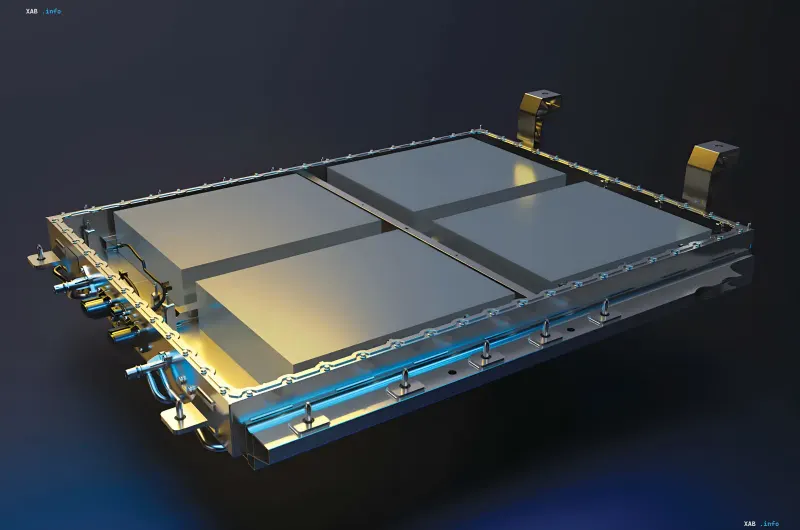
According to experts from ixbt.com, despite the confusion of marketing names, all modern electric vehicle batteries actually belong to the lithium-ion type. They operate on a single physical principle and consist of identical main components. A typical battery includes hundreds of small battery cells. Each cell generates a certain voltage, and their combination into a single housing creates the power necessary to move the vehicle. The only significant difference between modern battery types lies in the chemical formula of the compounds used in the cathode.
NMC vs. LFP: The Battle of Chemistry
In the 2026 automotive industry, two main types of cathodes dominate: nickel-manganese-cobalt (NMC) and lithium iron phosphate (LFP). Both names describe the mixture of chemicals used to create the cathode, while the anode in both cases has a carbon base and is usually made of graphite. NMC batteries are capable of storing more energy, which directly affects the increase in the vehicle's range, and the presence of cobalt ensures high specific power. At the same time, more affordable LFP batteries do not use expensive nickel or ethically controversial cobalt, making them more stable and cheaper to produce.
Mechanics of Ion Transfer
Regardless of the type of chemistry used, the mechanism of battery operation remains unchanged. During the charging process, lithium ions move from the cathode through the electrolyte and separator to the carbon anode, where they accumulate. When the battery is used and its charge is consumed to power the electric motor, these ions return to the cathode. This continuous cycle of ion movement is the core of the technology ensuring the mobility of modern transport.