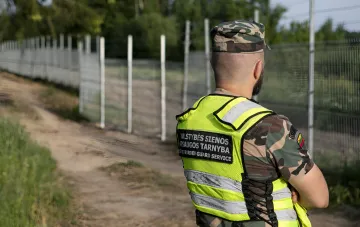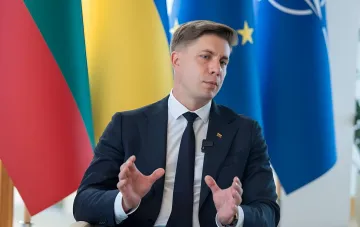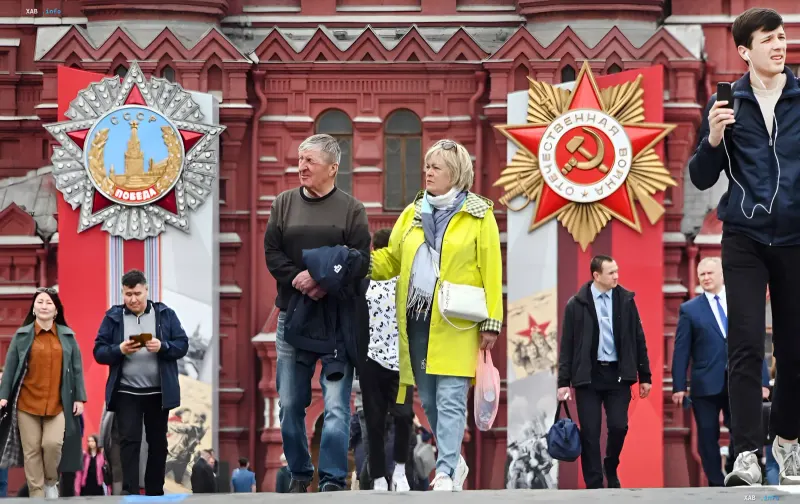
Vilnius has decided to significantly change the duration of restrictive measures against citizens of Russia and Belarus. The Ministry of Foreign Affairs of Lithuania has prepared a draft law that provides for the extension of national sanctions until the end of 2027.
Strategy of long-term pressure
Previously, the Lithuanian Seimas practiced extending such restrictions only for one year. The current term of national measures expires on May 2, 2026. However, the new proposal by the ministry suggests securing the sanctions regime for a longer period — up to December 31, 2027.
In the explanatory note, the Lithuanian Ministry of Foreign Affairs emphasizes that this step will allow the country to maintain the possibility of applying its own sanctions in addition to pan-European ones. This will give Vilnius a tool for an operational response to threats from aggressor states, even if supranational EU mechanisms are changed.
Asset freezing and sectoral restrictions
A key aspect of the new draft law is the possibility of freezing funds and applying sectoral restrictions regardless of the sanctions status at the European Union level. If European measures cease to apply, Lithuania will be able to continue using its national toolkit.
The ministry stated that the introduction of new restrictions is not planned. The existing complex of measures is assessed as optimal and balanced. Official Vilnius believes that current rules are necessary and expedient in the face of persisting threats.
Context of European policy
Lithuania's decision fits into the general strategy of European Union countries, which have long been coordinating successive packages of restrictions against Russia. Vilnius has repeatedly warned allies against concessions to Moscow, calling for maintaining a principled position on pressure on the aggressor.
Against the backdrop of these events, the 21st package of EU sanctions has already caused serious difficulties for the Russian financial sector. New restrictions have practically blocked the conduct of international money transfers from the RF and deprived the Kremlin of key levers of influence in world sports.
Thus, Lithuania secures for itself the right to a tough national policy towards the RF and Belarus, creating a long-term legal foundation for the isolation of citizens of these countries on its territory.