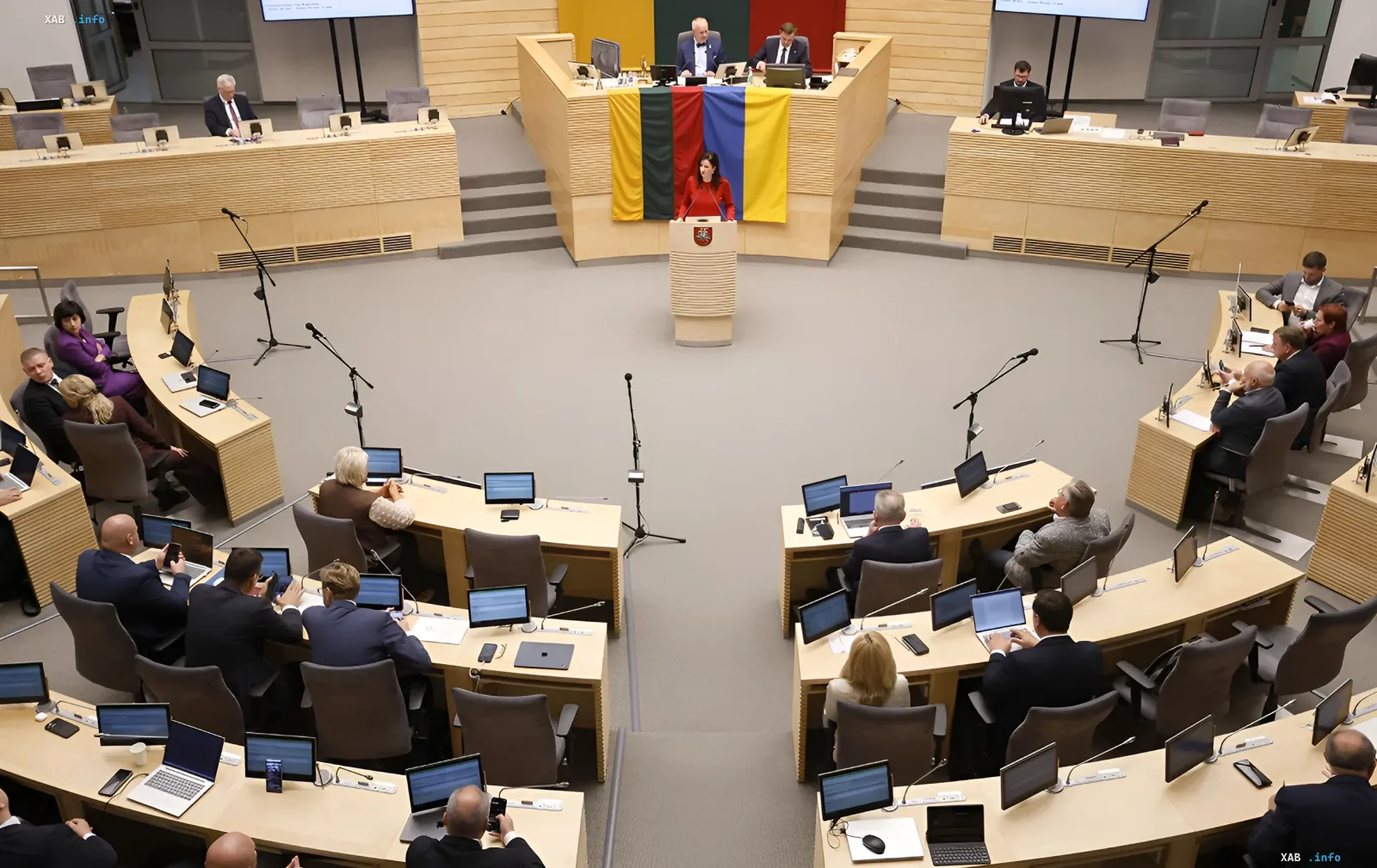
The Seimas of Lithuania has officially approved in the first reading important amendments to the national constitution that completely lift the previously existing ban on hosting nuclear weapons and foreign military bases in the country. A total of 106 members of the Lithuanian parliament voted in favor of this initiative, while 18 lawmakers opposed it and six others abstained. This move marks a fundamental revision of the state's defense strategy amid growing geopolitical tensions.
Decision Procedure and Next Steps
For the decision to enter into force, the Lithuanian parliament must hold a second and final vote. According to the regulations, this can take place no earlier than three months from the first reading. According to Seimas Speaker Juozas Olekas, the final session is scheduled for January 12 of next year. Securing the final approval of this historic amendment will require at least 94 votes out of 141 in parliament.
Motives and Goals of the Defense Reform
Juozas Olekas emphasized that repealing Article 137 of the Constitution will significantly increase the country's overall resilience and strengthen the effect of strategic military deterrence. In his view, removing legal restrictions will allow Lithuania to match other European Union and NATO member states in defense capabilities. Currently, the country's fundamental law explicitly prohibits the presence of weapons of mass destruction and foreign military bases on its territory.
Against the backdrop of discussing these amendments, rhetoric from the Russian Federation has escalated. Earlier, Dmitry Medvedev, Deputy Chairman of the Russian Security Council, openly stated that Moscow would consider the possible deployment of nuclear weapons on Lithuanian territory as a direct ground for a harsh military response. Furthermore, the Russian politician made aggressive remarks claiming that in the event of an escalation, NATO allegedly would not defend the republic, and threatened the complete destruction of the Lithuanian state.