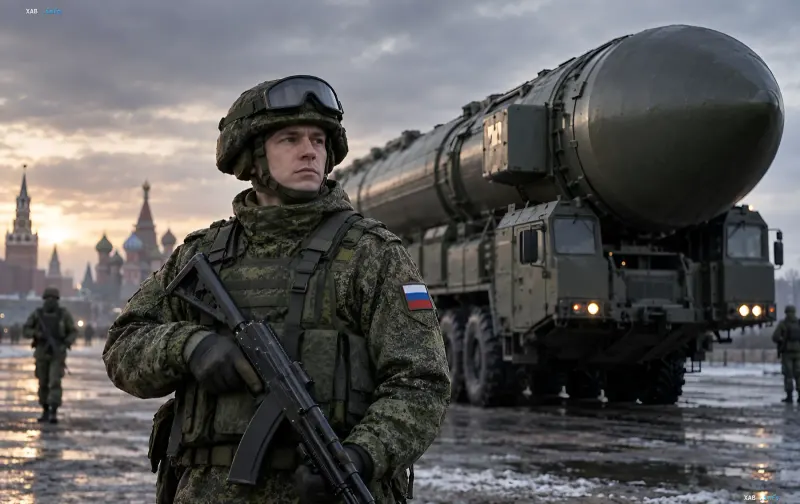
The Embassy of the Russian Federation in Ireland has issued a harsh statement, threatening NATO countries with the use of its entire arsenal, including nuclear weapons, in the event of any attempts to impose a sea or air blockade on the Kaliningrad region. This statement has marked a new spiral of tension in relations between Moscow and the North Atlantic Alliance, highlighting the high degree of distrust and the permanent risk of escalation on the European continent.
Background and Accusations Against the West
The Russian diplomatic mission categorically rejected any accusations of preparing a military invasion of European states or waging a hybrid war, calling such claims groundless. According to Russian diplomats, Moscow allegedly has no plans or motives for deliberately worsening relations with Europe. At the same time, it is argued that the narratives about the so-called "Russian threat" are being artificially fomented by Western countries solely to justify a massive increase in defense spending and further militarization of border European regions.
Nuclear Threats and the Scenario of Preventive Strikes
Despite the rhetoric about the absence of aggressive intentions, the embassy openly voiced a scenario of a forceful response to the hypothetical isolation of the exclave. Diplomats emphasized that if even a partial blockade of Kaliningrad is implemented, Russia will be ready to deploy nuclear weapons to defend its territory. Furthermore, the statement warned of the possibility of launching preventive strikes against the Alliance's decision-making centers at the very early stages of a potential armed conflict.
NATO's Reaction and the Position of the International Community
The North Atlantic Alliance's reaction was swift: organization representatives confirmed receipt of an unofficial diplomatic document (non-paper) from Moscow and sent an official response. NATO headquarters reminded of the alliance's purely defensive nature and assured that no current military activity or exercise poses a threat to any part of Russia. Western partners and international experts continue to assess escalation risks while condemning the Kremlin's irresponsible nuclear rhetoric against the backdrop of the ongoing war in Ukraine.