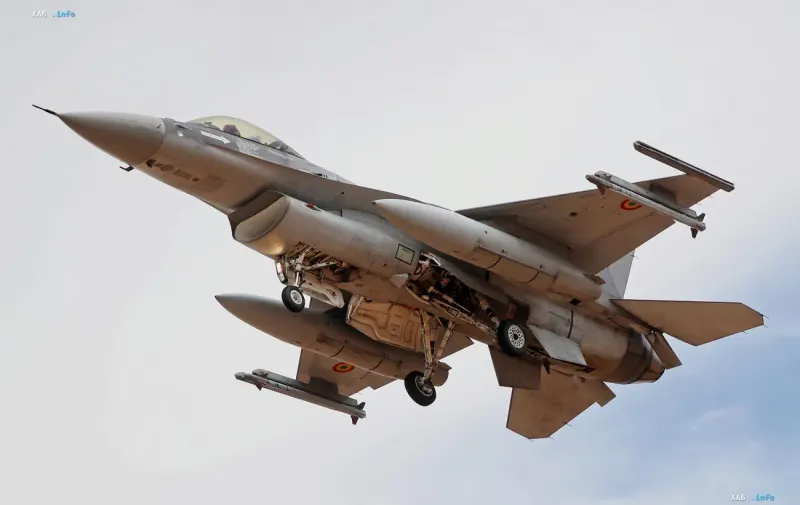
American defense contractor Lockheed Martin has proposed the creation of a specialized F-16 fighter jet modification tailored specifically to Ukraine's operational needs. The concept involves equipping the aircraft with an advanced Active Electronically Scanned Array (AESA) radar, increased flight range, and enhanced air defense capabilities. This proposal emerges amid ongoing discussions regarding military aviation supplies and the development of defense-industrial cooperation between Kyiv and the American manufacturer.
Background and Potential Modernization Details
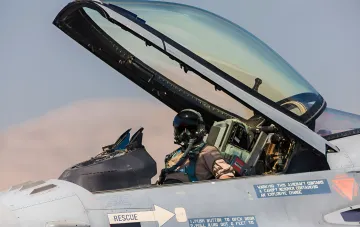
The initiative gained traction following an October 19, 2026 working meeting in Kyiv between Ukrainian President Volodymyr Zelenskyy and representatives of Lockheed Martin's leadership team. During the negotiations, the parties discussed ongoing support for currently operated fighter jets, pilot training procedures, and prospects for long-term technical maintenance of the aircraft directly within Ukraine. The new concept is designed to significantly boost the combat potential of the Ukrainian Air Force amid daily missile and drone attacks.
According to company sources, the cornerstone of the proposed modification would be the AESA radar. Unlike the legacy mechanically scanned radar systems found on aircraft transferred by European allies under the Mid-Life Update program, the new radar would allow pilots to detect small, low-flying aerial targets, including cruise missiles and drones, at substantially greater ranges. Furthermore, the project envisions deeper integration of European weaponry, encompassing advanced guided bombs and cruise missiles.
Integration into the Broader Air Force Strategy
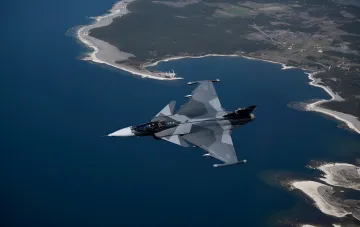
Expert communities and specialized media outlets, such as Defence Blog, note that developing a dedicated Ukrainian F-16 variant logically aligns with the broader combat aircraft fleet renewal program. Alongside operating American fighters, Kyiv is pursuing other avenues, including the planned delivery of Swedish Gripen E fighters starting in 2029. Meanwhile, the Air Force Commander previously reported on the effective deployment of existing F-16s, which have already destroyed thousands of hostile aerial targets despite strict limitations on munitions.
Despite Ukraine's expressed interest in a versatile, combat-proven platform, official negotiations regarding a contract for the new modification have not yet begun. Any such program would require substantial funding, development time, and mandatory authorization from the United States government. Company representatives emphasize their readiness for long-term partnership, encompassing not only aircraft deliveries but also supplies of anti-ballistic interceptor missiles for Patriot air defense systems.
Significance of the Initiative for Ukraine's Aviation Future
The potential introduction of a specialized F-16 version could fundamentally alter the balance of power in the skies and enhance the efficiency of repelling mass aerial assaults. Transitioning to Block 70/72 standards with advanced radar stations would resolve the issue of early detection of low-altitude threats, reducing the burden on surface-to-air missile systems and pilots who currently sometimes resort to onboard cannons due to missile shortages. Realizing these plans depends on political decisions in Washington and the financial capacities of Ukraine's defense ministry.