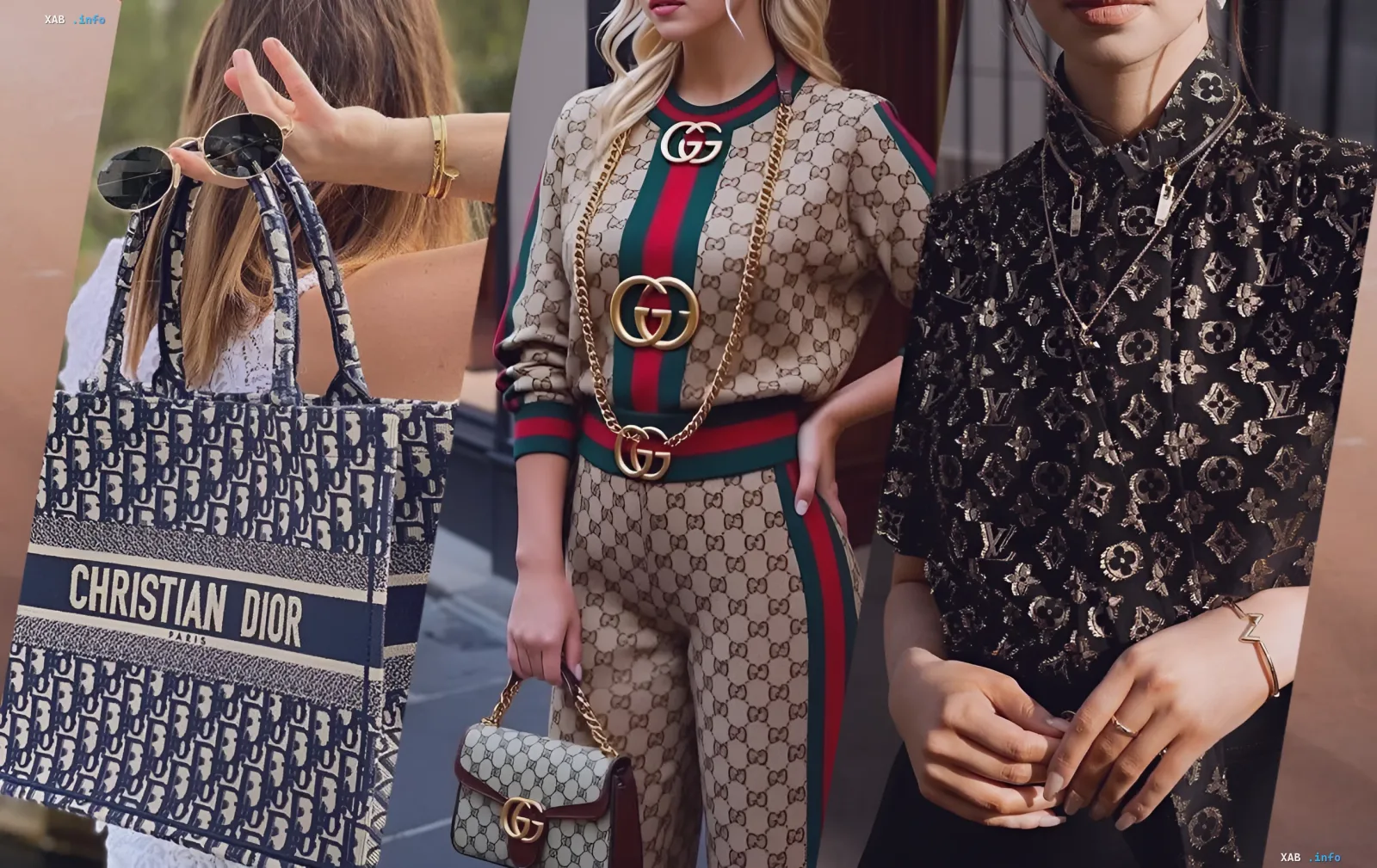
In the world of modern fashion in 2026, the eternal confrontation between two aesthetic poles continues: demonstrative consumption and restrained elegance. Stylists and industry experts increasingly point to a paradoxical effect caused by items with large logos. Despite buyers being willing to pay premium prices for recognizable brands, visually, this approach does not always work in favor of the "expensiveness" of the look. On the contrary, excessive branding can simplify perception and even make an outfit less status-driven.
The Psychology of Logomania: Why We Pay for the Name
The phenomenon known as logomania is built on the desire of a person to immediately "inform" their surroundings of their status through recognizable symbols. Large emblems on bags, belts, t-shirts, or shoes serve as social markers. However, stylist Yana Markovskaya, whose opinion is cited by the Styler project, notes that a person may pay a significant sum specifically for the opportunity to display the brand name, although visually this does not always make the look more expensive. The item becomes a carrier of status rather than an element of style, which often leads to dissonance.
The Aesthetics of Quiet Luxury: When the Brand is Not Needed
On the opposite pole is the trend of "quiet luxury," which remains relevant in 2026. Here, the focus shifts from loud names to the quality of materials, cut, fit, and color palette. A cashmere sweater without a noticeable logo, a perfectly tailored coat, or a leather bag with a minimalist design often look more expensive than items covered in monograms. The idea is simple: a luxurious look does not necessarily need a label with the brand name. True luxury speaks for itself through texture and details, not through screaming logos.
The Problem of Counterfeits and Visual Cheapening
There is another important nuance influencing the perception of branded clothing — the counterfeit market. It is easiest to counterfeit items that are easily recognizable by a characteristic logo or monogram. This is why well-known branding often becomes the main detail of fake bags, belts, and t-shirts. As a result, an abundance of logos in an outfit can trigger a subconscious association with a fake in the observer, which automatically lowers the status of the outfit. If you want your look to appear more expensive, stylists advise paying attention to details that do not scream about the price.
Stylists' Advice: How to Avoid Mistakes
To avoid visual cheapening, experts recommend paying special attention to the fit of the clothes. Even expensive clothing with a noticeable logo can look unsuccessful if it is not the right size or does not match the rest of the outfit. A large logo in itself is not a sign of bad style — it is a matter of context, design, and the amount of branding in the outfit. The problem begins when the logo becomes the main and practically the only advantage of the item. In this case, instead of a well-thought-out look, you may get just a brand demonstration. Modern fashion proves: sometimes the most appropriate detail is the one you don't notice immediately.