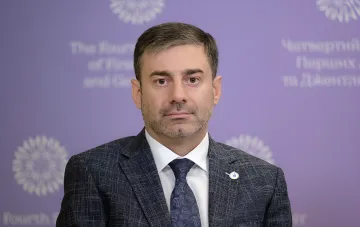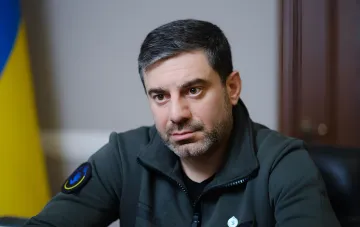
The Verkhovna Rada Commissioner for Human Rights, Dmytro Lubinets, stated that a team of specialists is working on the possibility of organizing an additional safe departure for civilians from the temporarily occupied town of Oleshky and nearby settlements. According to the ombudsman, after the successful completion of the first humanitarian mission, his office continues to receive numerous appeals from residents of the Oleshky community who wish to move to territory controlled by the Ukrainian government. To implement this initiative, it is necessary to coordinate all security and humanitarian conditions, which requires time and cooperation with the relevant parties.
How applications are collected and processed
Lubinets clarified that the work on preparing the new corridor involves the detailed collection and updating of information about each person who has applied. In particular, specialists are verifying the applicant's location, health status, mobility, family composition, possession of documents, and the need for medical or special transportation. The ombudsman emphasized that those who had applied previously "have not been forgotten": their data has been saved and is being processed. At the same time, he urged citizens whose circumstances have changed — such as their health, location, family composition, or contact details — to report these updates promptly. New applications and updates are accepted via WhatsApp, Viber, and Telegram at: +38 067 717 51 70 and +38 073 719 81 34.
Special attention to vulnerable categories of citizens
When planning the logistics for the humanitarian corridor, according to Lubinets, priority is given to the elderly, citizens with limited mobility, people with disabilities, the seriously ill, and families with children. For these categories, special transportation, medical personnel accompaniment, and additional facilities along the route are usually required. The ombudsman emphasized that the upcoming initiative is planned exclusively for Oleshky and the surrounding settlements, rather than for other temporarily occupied territories.
Context: the first humanitarian mission in Oleshky
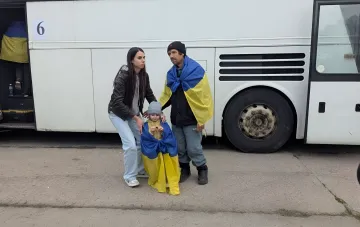
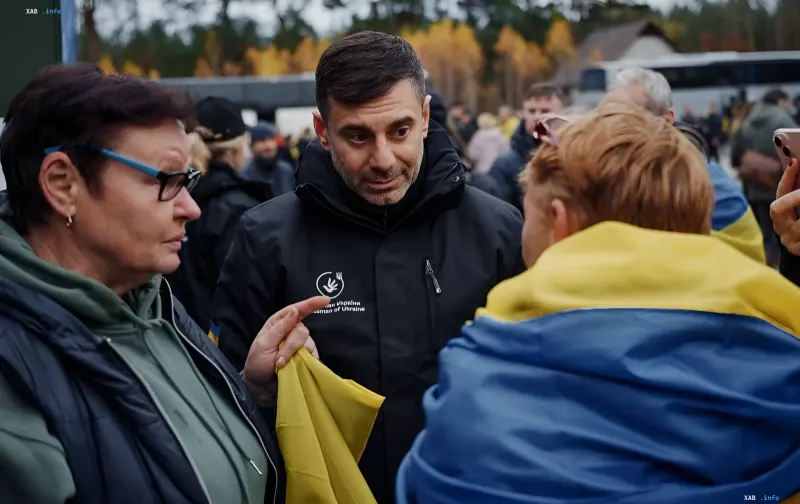
Recalling the previous stage is important to understand the scale of the current effort. From October 27 to November 1, 2026, a humanitarian ceasefire was in effect in Oleshky, an agreement facilitated through the coordination of US First Lady Melania Trump. During this operation, humanitarian aid was delivered to local residents, and approximately 800 civilians who were under threat due to hostilities and occupation were evacuated. It was following this mission that a new flow of requests began, which the ombudsman’s team is now processing.
Perspectives: new missions in occupied territories
Dmytro Lubinets stated that the work of his office did not conclude with the first humanitarian mission. "We continue to work to ensure that people who wish to leave have the opportunity to do so safely and voluntarily," he stressed. The ombudsman also reported that Ukraine is considering the possibility of conducting new humanitarian missions in other temporarily occupied territories, although specific parameters and timelines for such operations were not disclosed at the time of the statement. Thus, the preparation of an additional corridor in Oleshky could serve as a model for subsequent operations in other regions.