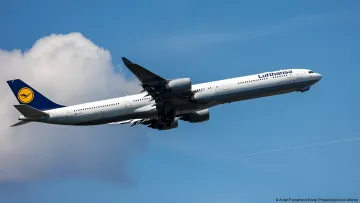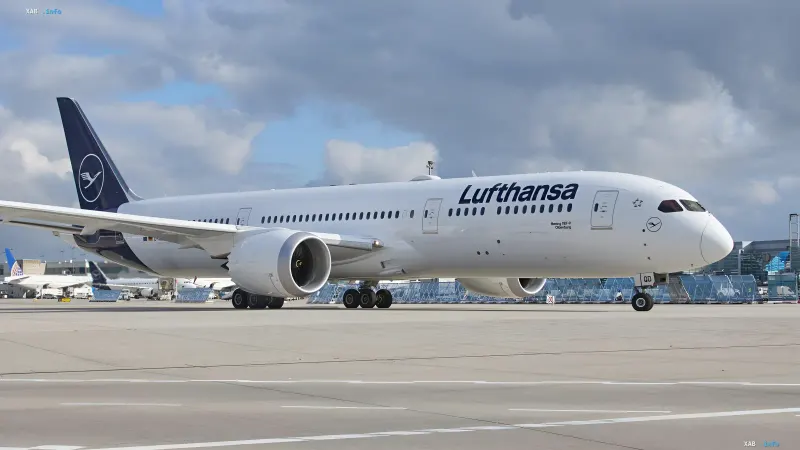
Germany's Lufthansa is set to significantly accelerate the rollout of SpaceX's Starlink satellite internet across its fleet. According to an internal management memo addressed to employees regarding cost reduction and profitability enhancement for the core carrier, the company plans to install the equipment on 10 aircraft every month. Thus, high-speed in-flight internet is transitioning from an experimental option into a systemic part of the group's strategy.
Internet as a Revenue Source
Lufthansa views fast in-flight Wi-Fi not only as an additional service for passengers but also as a potential revenue source. Currently, basic internet access is provided free of charge across all service classes to Miles & More loyalty program participants and Travel ID holders. Meanwhile, competitor experience indicates that having Starlink can become a competitive advantage in attracting passengers: specifically, United Airlines previously reported a noticeable influx of customers precisely due to high-speed internet on board.
Scale of the Program by 2029
By 2029, Lufthansa Group expects to equip its entire combined fleet of approximately 850 aircraft with Starlink. The program will cover not only the flagship Lufthansa brand but also the group's subsidiary airlines — SWISS, Austrian Airlines, Brussels Airlines, Eurowings, and Discover Airlines. Internet will be available to passengers in all service classes, making the service mainstream rather than niche.
Timeline and Logistics of Implementation
Lufthansa's first scheduled flight with Starlink installed took place on August 19, 2026, on an Airbus A320neo. By the end of 2026, the group plans to equip around 50 aircraft, after which the installation pace is set to increase to 10 jets per month. To avoid taking aircraft out of service for Starlink integration, antenna installation will be combined with scheduled maintenance, minimizing technical downtime and associated costs.
Collectively, these steps turn satellite internet into a key element of Lufthansa Group's competitive position as in-flight Wi-Fi becomes an expected standard for medium- and long-haul passengers.