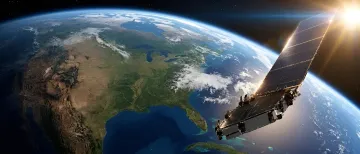
SpaceX continues its work on next-generation Starlink satellites — the fourth version (V4). The company has not yet disclosed detailed technical specifications of the future spacecraft, but has already outlined two key development areas: increasing power system capacity and improving the cooling system. These two components essentially set the performance ceiling for the new generation of satellites.
The Main Engineering Challenge
SpaceX notes that the central difficulty of the project is mounting a more powerful power generation plant on the satellites while simultaneously ensuring efficient heat rejection. As on-board loads increase, thermal management becomes a critical factor for satellite reliability and orbital lifespan, which is why the power system and cooling are viewed as an integrated system rather than separate components.
Why Starlink Network Needs This
These upgrades are directly tied to the further expansion of the Starlink network. The new spacecraft are expected to handle higher loads and support growing network bandwidth requirements. Increasing power capacity and improving cooling create a technological margin that will allow the satellites' functionality to expand without losing the overall stability of the network.
What Is Already in Orbit
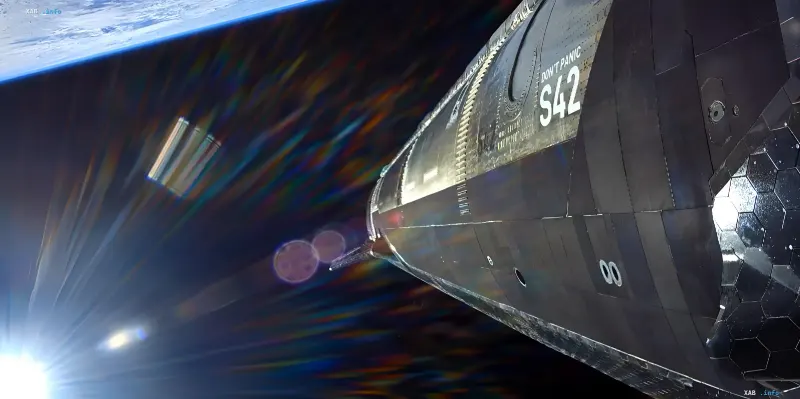
Practical network expansion is proceeding in parallel with next-generation development: launched on the night of November 14, Starship successfully deployed another batch of Starlink V3 satellites into orbit. Orbital footage accompanying the launch captures the Starship spacecraft against the glowing Earth's limb — a signature perspective regularly published by the company during launches.
What Remains Unknown
SpaceX has not announced specific timelines for the appearance of the first V4 satellites in orbit, nor their exact technical parameters. The company limits itself to indicating strategic directions — power system and cooling — leaving detailed specifications and schedules for subsequent announcements.