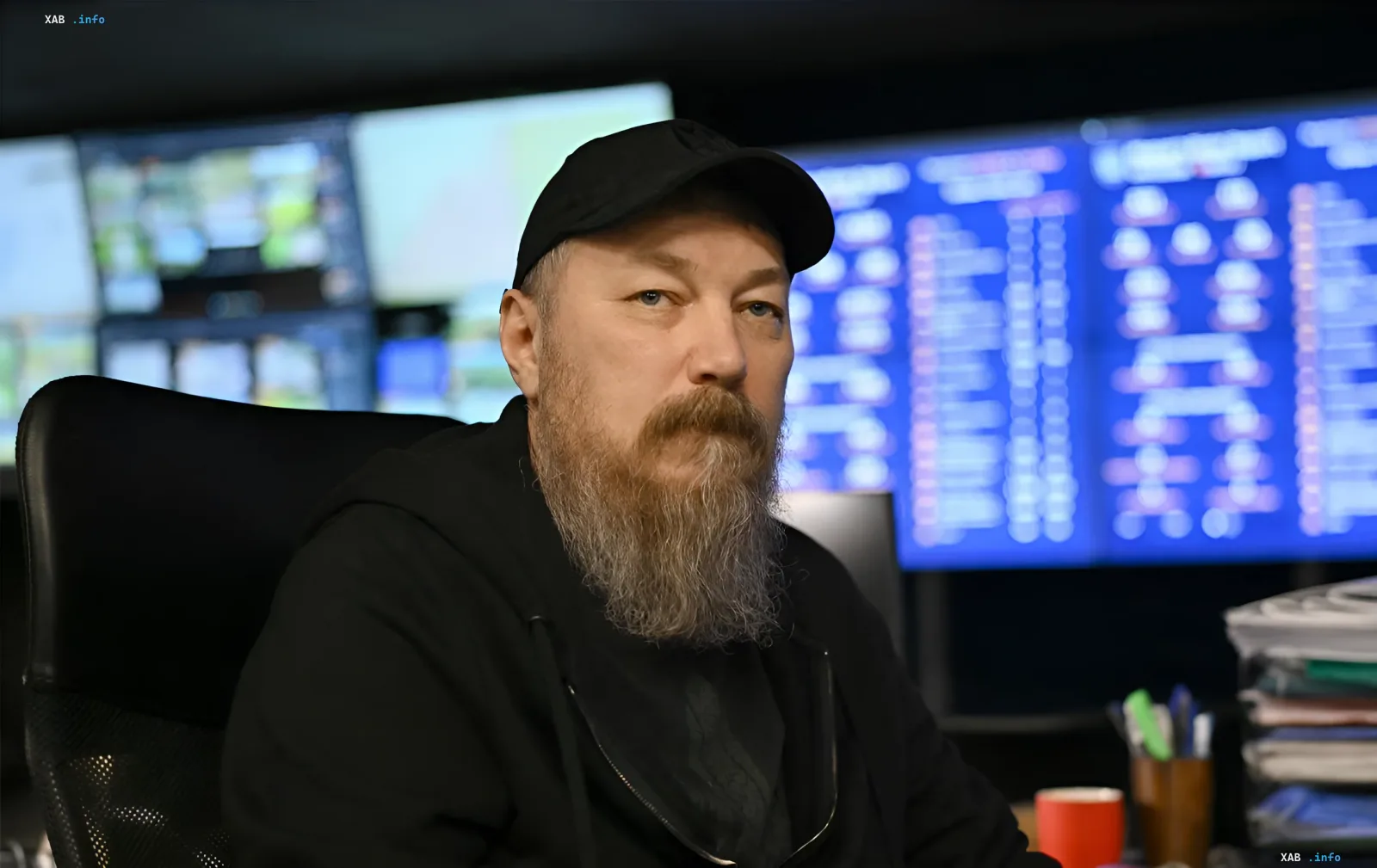
Kyiv, August 10, 2026 — The Commander of the Unmanned Systems Forces of the Armed Forces of Ukraine, Robert "Madyar" Brovdi, has issued an official clarification regarding his recent comments concerning Russia's missile capabilities. In his Telegram channel, he urged the media and the public to refrain from spreading hyperbolic headlines which, in his opinion, distorted the essence of his statement made to the Associated Press agency and introduced unnecessary anxiety into the information space.
Data correction: 77 versus 200
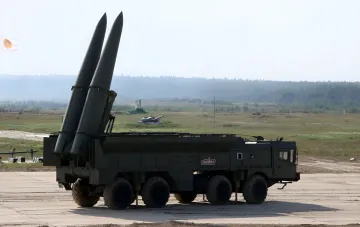
The focus of the discussion was on the figures characterizing the potential power of the Russian missile arsenal. Brovdi confirmed that at the current moment, the Russian side is capable of ensuring a simultaneous salvo including more than 70 missiles of various types, launched from different carriers. His assessment cites a specific figure — 77 units. However, the key point that was misinterpreted by many Ukrainian media outlets is the prospect of increasing this indicator.
The Commander clarified that Russia is actively working on increasing the total volume of a simultaneous salvo to approximately 200 units. At the same time, he categorically refuted the thesis that this refers exclusively to ballistic missiles. "The enemy is working on increasing the simultaneous salvo to 200 units, but this does not concern exclusively ballistic missiles," Brovdi emphasized. This means that a complex attack is taken into account, including cruise missiles, unmanned aerial vehicles, and other types of weaponry.
Contradictory data
There is a clear gap in the information space between the primary source and its interpretation. On the one hand, a number of authoritative Ukrainian media outlets (including Pravda, 24tv.ua, Mignews) disseminated information that Russia intends to increase specifically the salvo of ballistic missiles to 200 units in a single attack. This created an image of an unprecedented threat capable of overloading any air defense systems.
On the other hand, Robert Brovdi himself, in his comment for Associated Press and his subsequent post on Telegram, indicated that the figure of 200 refers to the total number of aircraft of all types. The difference in wording is of critical importance for understanding the tactical situation: 200 ballistic missiles is a scenario of total destruction requiring colossal resources, whereas a mixed salvo of 200 units (including drones and cruise missiles) is a more realistic, yet still dangerous, task for air defense, requiring a redistribution of interception resources.
Air defense vulnerabilities and interceptor shortage
Despite the correction of figures, Brovdi did not downplay the seriousness of the situation. He noted that the current dynamics of increasing missile production in Russia create significant problems for the Ukrainian air defense system. The main vulnerability remains the shortage of interceptor missiles for Patriot systems, which are the most effective against high-speed ballistic targets.
According to the Main Directorate of Intelligence (GUR) of the Ministry of Defense of Ukraine, Russia has significantly increased the intensity of strikes against the backdrop of its own production growth. The monthly output of the main types of missiles is about 110–120% of planned indicators. This allows Moscow to maintain a high tempo of attacks, exhausting Ukrainian air defense stocks. Brovdi emphasizes that without actively striking Russian military-industrial complex facilities involved in missile production, the situation could worsen.
Call for sobriety
Concluding his clarification, the Commander of the Unmanned Systems Forces called for information hygiene. "There are enough triggers already, respected ones," he wrote, addressing journalists and bloggers. Brovdi expressed a request not to "nightmare tired people" with interpretations that turn analytical assessment into a tool of intimidation. He suggested using factual data for dissemination about the fact that Ukraine is capable of hitting the enemy 7 times more intensively, instead of creating panic headlines about hypothetical scenarios.