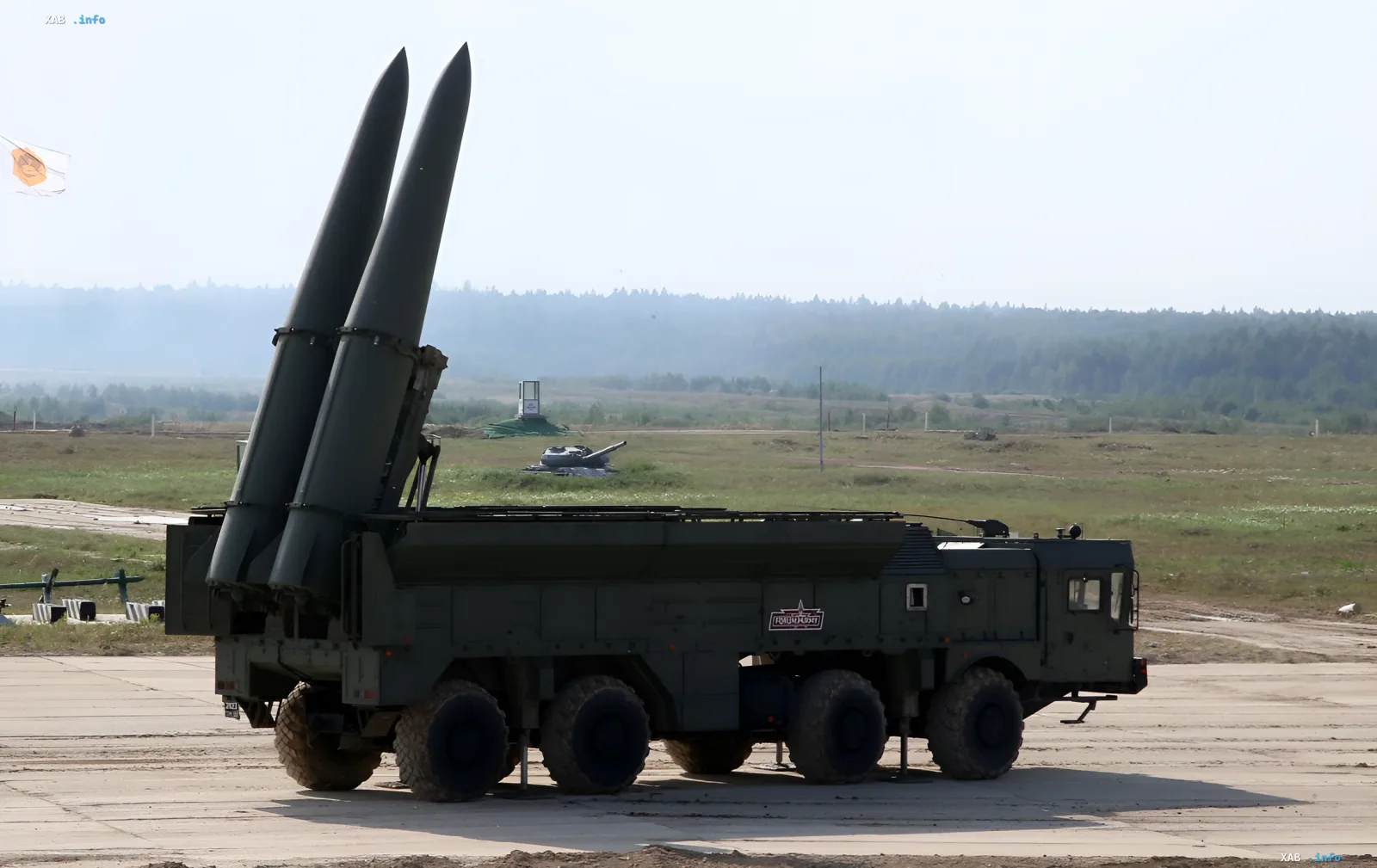
The Air Force of the Armed Forces of Ukraine (AFU) has officially announced changes to the format of its morning combat reports. Yuriy Ignat, Head of the Air Force Communications Department, confirmed that a restriction will be introduced on publishing detailed statistics regarding Russian ballistic missiles. This decision concerns the number of missiles launched, intercepted, suppressed, or failed to reach their targets during mass attacks.
Essence of changes in information policy
As Yuriy Ignat reported, the military continues to inform the population about air threats. Operational data on air alerts and the nature of attacks are still broadcast in real-time via Telegram, Viber, and WhatsApp messengers. However, the format of morning reviews summarizing the night's combat work will be adjusted. The military leadership has decided to hide specific figures regarding ballistic targets to avoid revealing tactical information to the enemy.
Instead of a detailed breakdown of each missile, the military will provide the media with generalized information. As an example, Ignat cited July statistics: Russian forces used more than 450 missiles, of which nearly 200 were ballistic. It is precisely such aggregated data that will appear in the public sphere, while exact figures for specific nights may be concealed.
Reasons and context of restrictions
The decision to change the briefing format was taken as a forced security measure. Earlier, in July, Bloomberg agency, citing sources, reported that the Ukrainian Air Force was ceasing to publish information about missiles in daily reports. Ignat emphasized that the format of morning briefings has changed about 10 times since the start of the full-scale war, which indicates constant adaptation to new conflict conditions.
Ignat paid special attention to the work of Ukrainian media. He urged journalists to stop using headlines in the style of "Not a single missile was shot down," calling such publications harmful. According to him, "no one will feel better" from such headlines, and Ukrainian news resources publishing such data "are doing all the work for propagandist Skabeeva".
Contradictory data
There is a nuance in interpreting the degree of restrictions. On the one hand, Yuriy Ignat states that information about launched missiles is still provided, but in a "generalized" form. On the other hand, Bloomberg sources previously interpreted this as a complete cessation of publishing data on missiles in daily briefings. The difference lies in the fact that the Air Force is not abandoning the report entirely, but is changing the level of detail: instead of an exact "launched/intercepted" count for a specific night, averaged data for longer periods or without reference to specific ballistic targets are published.