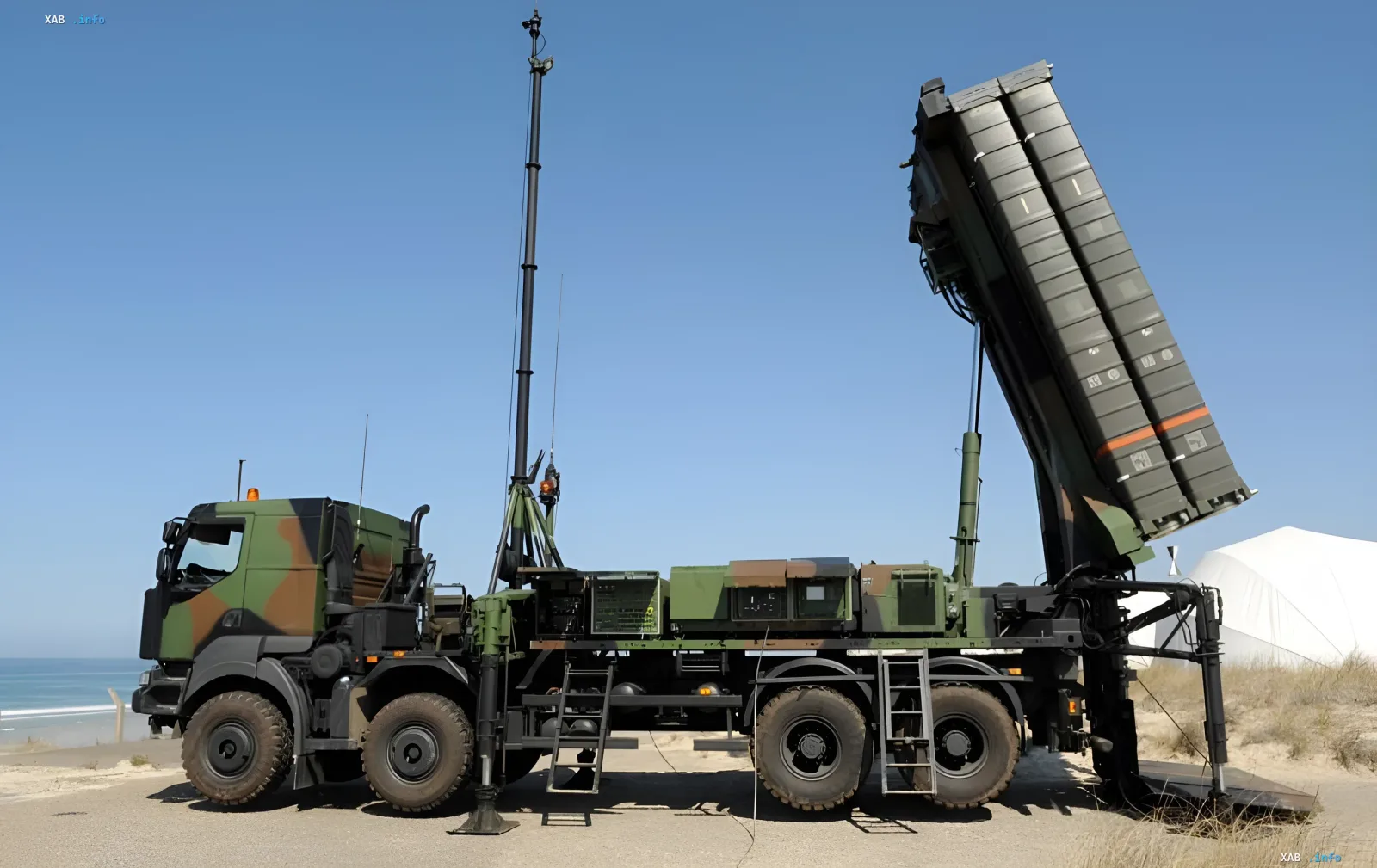
During the night of August 10 to 11, 2026, Ukraine was subjected to a large-scale air attack, during which Russia deployed a wide range of precision weapons. According to Ukrainian defenders, the enemy used anti-ship hypersonic 'Zircon' missiles, 'Iskander-M' ballistic missiles (or their North Korean KN-23 analogues), as well as hundreds of attack unmanned aerial vehicles. Strikes were launched from the Kursk, Rostov, Voronezh, and Orel regions of the Russian Federation, as well as from occupied Crimea.
Composition of the strike wave and directions of attack
Operational data indicates that the attack was multi-vector. The main mass of targets consisted of drones: preliminary estimates suggest that about 120 attack UAVs of the Shahed type (predominantly jet modifications), 'Gerber' type drones, and 'Parody' decoys were launched. In addition, the use of ballistic missiles is confirmed, which, according to media reports, were launched from deep within Russia. The main targets of the strike were the Kyiv region and Zaporizhzhia, where the most powerful explosions were recorded.
Air defense operations and results of repelling the strike
As of 09:00 on August 11, according to the Air Force of the Armed Forces of Ukraine, the air defense system shot down or suppressed 98 enemy drones. Sky defenders report that the attack was not completely stopped, and several targets remain in the airspace. Despite the high efficiency of the air defense, the enemy managed to strike 21 locations on Ukrainian territory. The fall of debris from shot-down missiles and drones was also recorded at another 5 objects, causing local fires and damage to infrastructure.
Contradictory data
There are discrepancies in the figures regarding the number of destroyed targets. While one source (the main news text) states that air defense shot down 98 drones out of 120 launched, other independent sources (for example, data from August 3, 2026, provided for context) report higher air defense efficiency rates in previous attacks — up to 163 drones shot down. Furthermore, the exact number of ballistic missiles and 'Zircon' missiles used remains classified, as the Armed Forces of Ukraine do not disclose this data in real time to avoid revealing the work of their interception systems.
Consequences and authorities' reaction
In Kyiv, which became one of the main directions of the strike, powerful explosions characteristic of ballistic missile operations were heard. The State Emergency Service (SES) has already published the first photos of the consequences of the shelling of the capital. Authorities are urging citizens to follow safety rules, as air raid alerts in several regions may be extended. Experts note that the use of 'Zircon' hypersonic missiles and new ballistic complexes indicates an escalation in the tactics of the Russian armed forces in 2026.