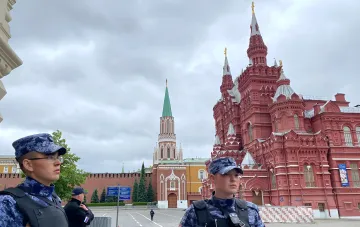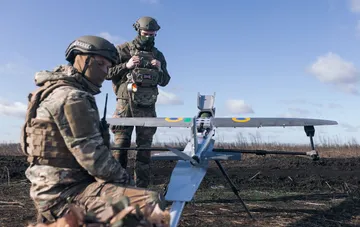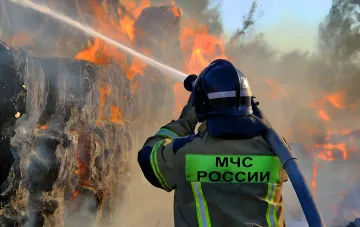
On the night of October 29, 2026, Moscow experienced a massive drone attack. The mayor of the Russian capital, Sergey Sobyanin, reported via his Telegram channel on the continuous operation of air defense systems intercepting approaching drones, with the total number of intercepted devices exceeding fifty according to authorities.
Chronology of the Nighttime Aerial Defense
The first official reports of the raid appeared shortly after midnight. Moscow Mayor Sergey Sobyanin published a report on the elimination of the first fifteen drones heading toward the city. Emergency response crews and operational services were dispatched to the sites where debris fell.
Over the following hours, the intensity of air defense operations only increased. The mayor regularly informed the public about new interceptions in the airspace around the Moscow region. Combined data for the evening of October 28 and the night of October 29 showed a record number of air defense forces engaged and a record number of destroyed aerial objects.
Disruptions at Capital Airports
The drone attack severely impacted the transport infrastructure of the Moscow region. Aviation authorities were forced to introduce temporary restrictions on incoming and outgoing flights at several airports simultaneously. The measures affected Moscow's Vnukovo, Domodedovo, and Zhukovsky airports.
Due to the imposed restrictions and safety considerations, flight schedules underwent changes. Specifically, according to Russian media reports, two passenger airliners flying from the Republic of Turkey to Moscow were forced to turn around in mid-air and return to their departure points.
Context and Previous Incidents
The current drone raid continues a series of similar incidents regularly recorded in the capital zone recently. Similar large-scale restrictions were imposed at Moscow airports on October 24, when attacks also caused a temporary paralysis of air traffic. Earlier, on October 18, the airspaces of Moscow and St. Petersburg were targeted, requiring the emergency closure of the sky over capital hubs and St. Petersburg's Pulkovo.
Significance of Events and Future Prospects
Regular drone attacks on a major megalopolis demonstrate the vulnerability of logistical and transport hubs in the capital region. Such incidents inevitably entail economic losses due to flight delays, wasted fuel on rerouted aircraft, and the need to restructure supply chains. Obviously, municipal services and civil defense departments will continue to operate on high alert, while strengthening the air defense of major centers remains an absolute priority.