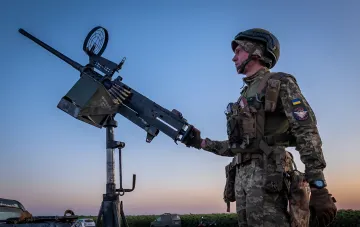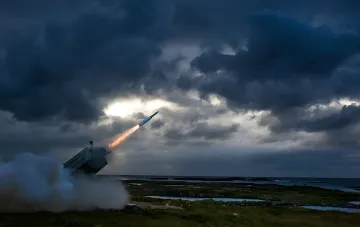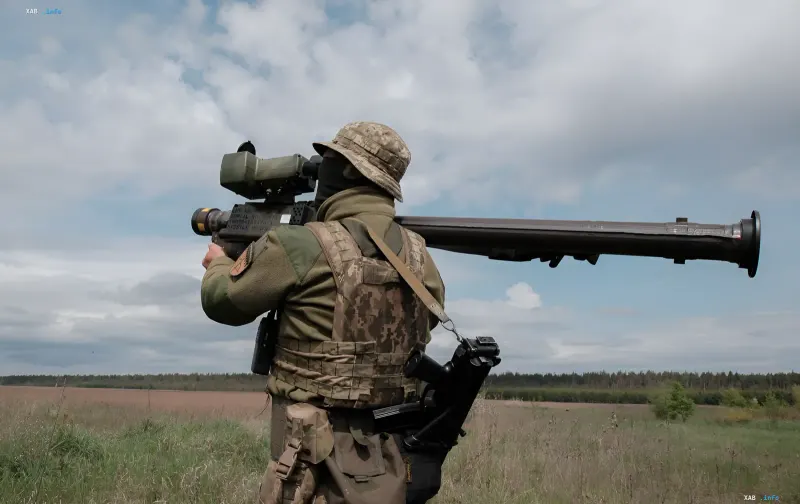
On the night of September 13, 2026, the Russian armed forces delivered a new massive strike on Ukraine, employing, according to the Air Force, 453 means of aerial attack. This is one of the largest air attacks in recent weeks, and it unfolded simultaneously along several directions, requiring the air defense systems to operate at maximum load.
Scale of the Night Strike and Directions of the Attack
Hostile targets were flying along the Shatalovo, Orel, Kursk, and Primorsko-Akhtarsk directions on Russian territory, as well as along the Crimean direction — toward the Gvardeyske area and the waters of the Sea of Azov. Such a layout of trajectories indicates an attempt to overload air defense with several vectors at once and force the defense systems to redistribute air defense complexes between theaters.
Air Defense Performance: 405 Targets Destroyed by 08:00
As of 08:00, units of the Ukrainian Defense Forces responsible for air defense had shot down or suppressed 405 hostile unmanned aerial vehicles of various types, as well as four S8000 'Banderoles' missiles. At the same time, according to official data, the aerial attack had not yet been completed at the time of publication: drones remained in Ukrainian airspace, and the final number of destroyed targets may be revised after the final report.
Contradictory Data
Operational reports on air attacks are by nature interim: the figure of 453 means employed and 405 destroyed by 08:00 reflects the situation at a specific moment, not the final outcome of the battle, so the final figures may differ. Moreover, in related publications on other incidents involving drones, discrepancies in details are recorded — for example, in materials on the strike on a residential building in Kyiv (September 9), the headline and the body of the text cite different figures for the building's height (22 versus 24 floors). This clearly shows that operational information often contains inconsistencies that require careful interpretation until official clarifications are issued.
External Support and Air Defense Systems
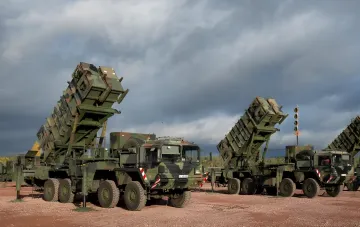
The context of the night attack is reinforced by recent decisions on air defense supply. According to RBC-Ukraine reports, Canada is allocating hundreds of millions of dollars for interceptor missiles for Ukraine. In parallel, the European Commission approved a package of 6.1 billion euros, intended in part for Patriot missiles and drones. President Volodymyr Zelensky the day before also publicly stated how many missiles Ukraine needs to destroy Russian ballistic missiles, underscoring the shortage of air defense complexes against the backdrop of attacks of this scale.
Call to Observe Safety Rules
The Air Force of Ukraine calls on citizens to observe safety rules and not ignore alarm signals. Given that the attack was ongoing at the time of publication and drones remained in the sky, the risk of falling debris and new strikes persists, so the recommendations to stay in shelters and follow official alerts remain in effect until the end of the air raid is announced.