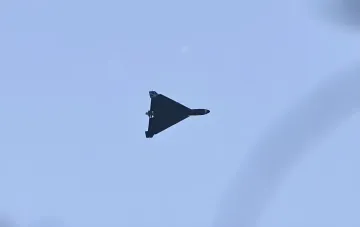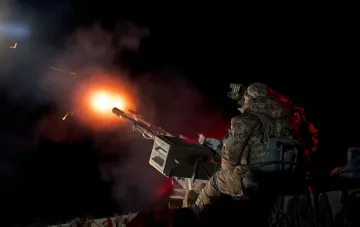
On the night of October 6, 2026, Russian forces launched one of the most massive attack operations using strike UAVs, firing a total of 137 various types of drones across Ukraine. According to the Air Force Command, a significant portion of the launched assets included new jet modifications as well as decoy drones, which significantly complicate the operations of air defense forces.
Launch Geography and Scale of the Raid
The massive strike began the previous evening at 18:00 on October 5. Drones were launched simultaneously from eight different directions, including the Russian cities of Oryol, Kursk, Shatalovo, Millerovo, Primorsko-Akhtarsk, as well as occupied Donetsk, Crimean Hvardiiske, and the Azov Sea. The enemy deployed not only traditional Shahed-type drones but also Gerbera, Banderol/Dan-T models, and Parodiia air target decoys designed to scatter radar and SAM system attention.
Air Defense Operations
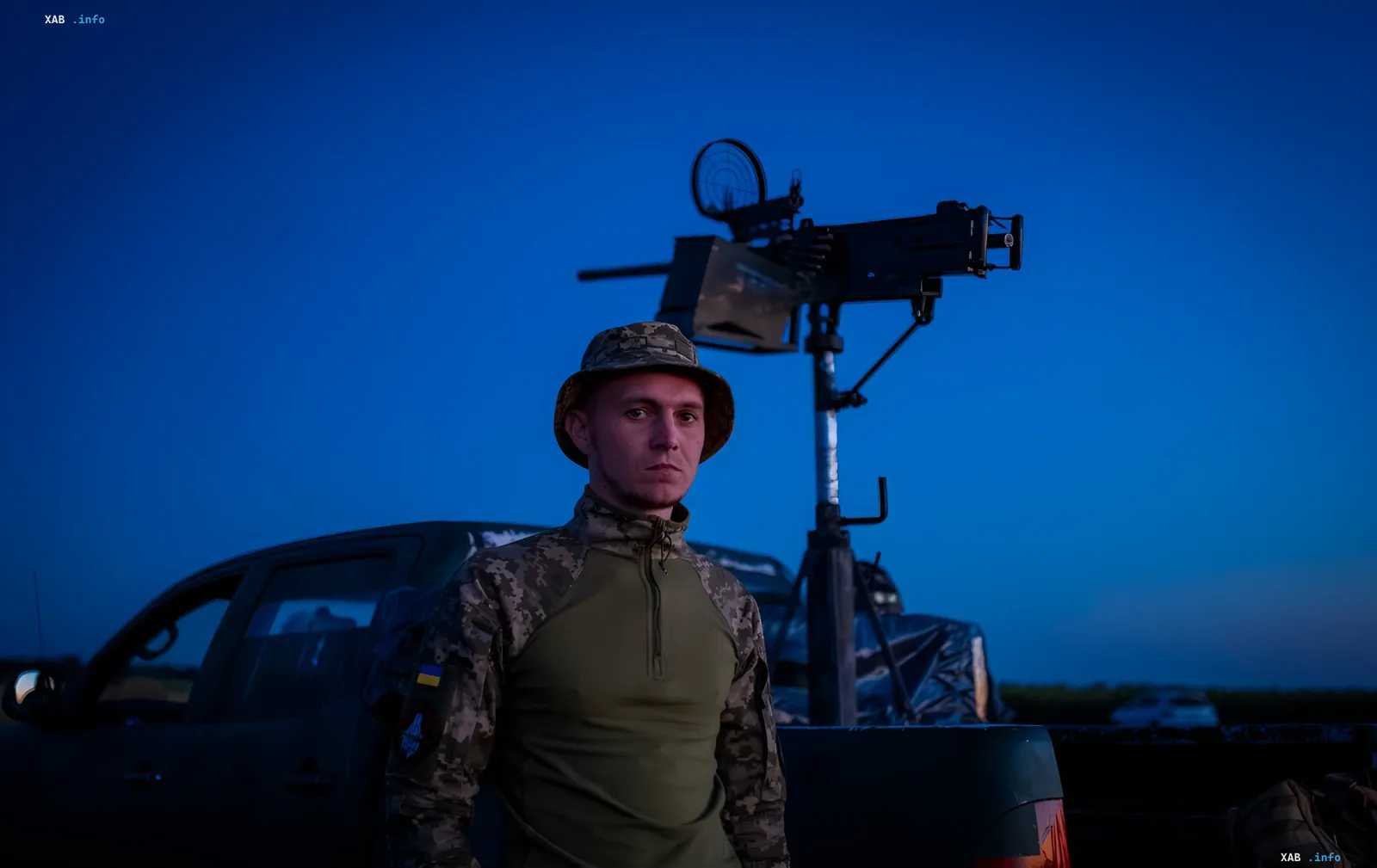
As of 08:00 AM, Ukrainian anti-aircraft gunners, mobile fire groups, and electronic warfare units successfully neutralized 114 aerial targets through physical destruction or forced electronic suppression. However, the high intensity of the raid and the use of jet-powered UAVs meant that complete avoidance of impacts was impossible. Enemy hits were recorded at 17 locations across various regions, with debris falling at four additional sites.
Regional and Capital Impact
The most severe consequences were recorded in several regions. On the morning of October 6, a bridge over the Dnipro River in Zaporizhzhia was hit, injuring five people, including two Red Cross workers traveling to their duties. The previous evening, on October 5, an alarming situation arose in Kyiv: in the Pechersk district, debris fell near residential buildings, setting two cars on fire and damaging another, though no human casualties were reported.
Contradictory Data
When assessing the scale and effectiveness of repelling the nighttime raid, analysts and monitoring resources point to traditional discrepancies in operational summaries. Official Air Force reports record the launch of 137 drones and the destruction of 114 units by morning, though experts often highlight the difficulty of real-time counting due to the widespread use of cheap Parodiia decoy drones. Additionally, discussions continue regarding the exact interception rate of jet-powered Shaheds, which require fundamentally different reaction times from anti-aircraft crews compared to propeller models.