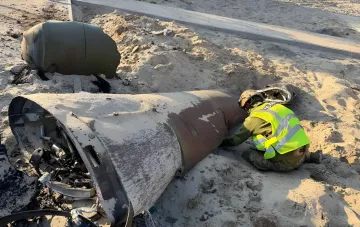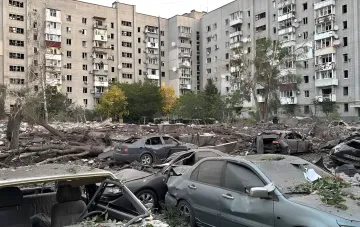
On the night of October 7, 2026, Russian forces launched a large-scale air attack on Ukrainian cities using missile weapons and kamikaze drones. The Ukrainian capital Kyiv, as well as Kremenchuk, Dnipro, Zaporizhzhia, and Pryluky, came under enemy fire. The massive raid targeted critical infrastructure, industrial facilities, and residential areas in several regions of the country.
Ballistic Attack on Kyiv
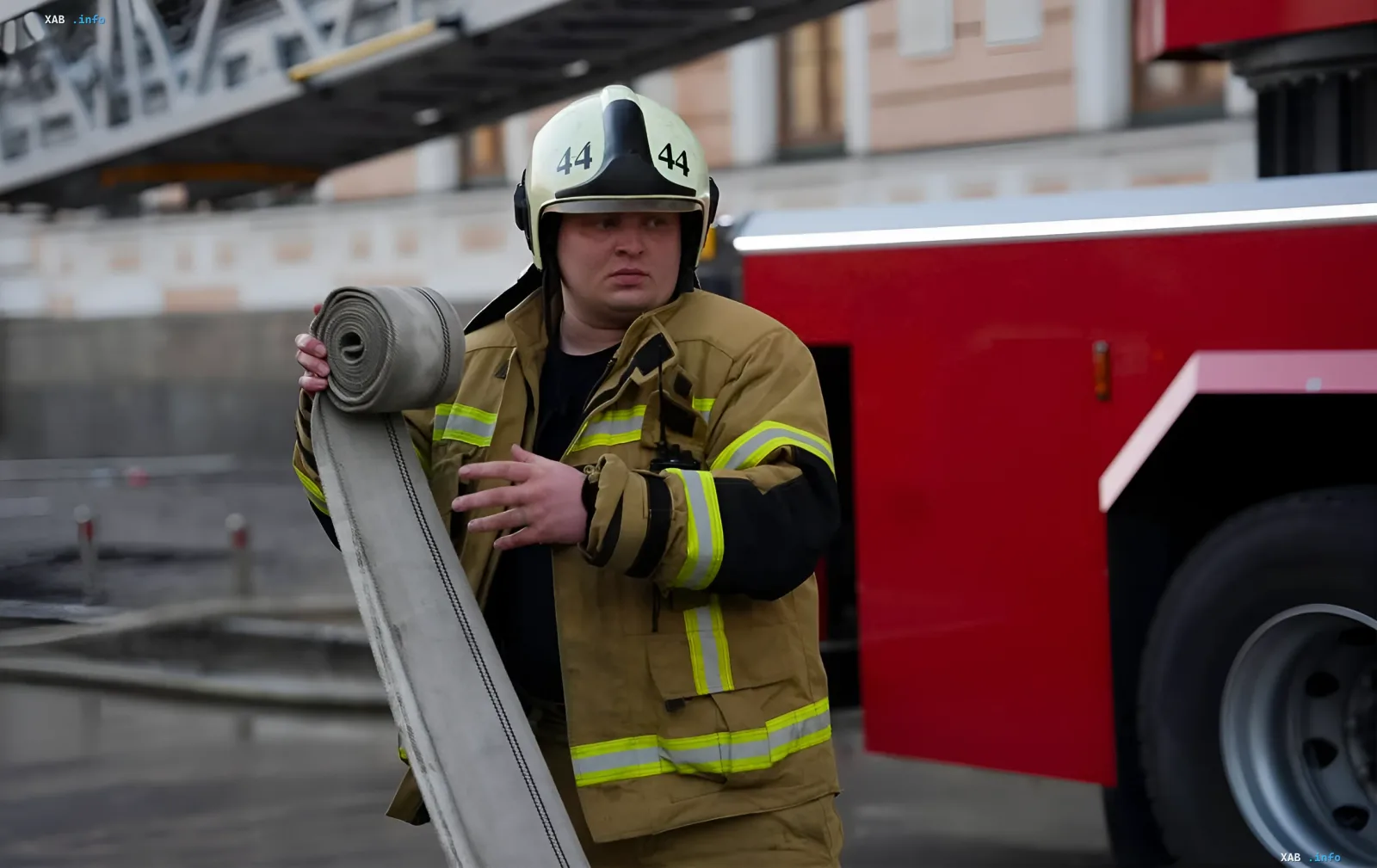
The capital of Ukraine suffered a series of powerful missile strikes in multiple waves. The first volley of ballistic rockets was launched shortly after 3:00 AM. According to the Kyiv City Military Administration, two people were killed as a result of the night shelling, and there are injured. Mayor Vitali Klitschko reported destructions and fires in the Podilskyi, Obolonskyi, Darnytskyi, and Shevchenkivskyi districts of Kyiv. Emergency services promptly began eliminating the consequences of the strikes and extinguishing fires.
Strikes on Kremenchuk and Dnipro
Severe damage was recorded in the Poltava region. The head of the Regional Military Administration reported a massive combined attack and explosions in Kremenchuk, where groups of cruise missiles were directed. As a result of a hit in a residential area, high-rise buildings were damaged, and a strike on an enterprise in the Kremenchuk district was also recorded. Simultaneously, the head of the Dnipropetrovsk RMA confirmed a night strike on an industrial enterprise in Dnipro.
Contradictory Data
Discrepancies emerged in the information space regarding the geographical scope and consequences of the attack. While specialized Ukrainian agencies and regional administrations focus on strikes on Kyiv, Kremenchuk, and Dnipro, a number of independent and foreign sources report additional impacts in the Odesa region and Kryvyi Rih, and provide varying data on the number of rescued citizens and the scale of infrastructure damage.
Aftermath and Reaction
The night attack caused massive disruptions in urban infrastructure operations in the affected regions. State Emergency Service units, medics, and utility services continue to work at the impact sites. Experts note a shift in weaponry tactics focusing on combined waves of missiles and UAVs to exhaust air defense systems.