The start of a new school year involves not only buying notebooks and pens but also a mandatory medical examination procedure. In 2026, the Public Health Center of Ukraine (PHCU) has updated recommendations for parents, emphasizing the importance of undergoing an examination before September 1st. The main goal of the procedure is not just bureaucratic paperwork, but a comprehensive assessment of the child's physical development and the timely detection of chronic diseases.
Key stages of the medical examination and specialists
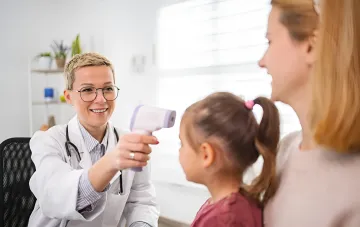
To obtain the medical certificate form 086/o, which is a mandatory document for enrollment in an educational institution, the child must be examined by two main specialists: a family doctor (pediatrician) and a school doctor (or a pediatrician at the place of residence). The pediatrician conducts a primary examination, assessing the general state of health, and refers the child to specialists if necessary.
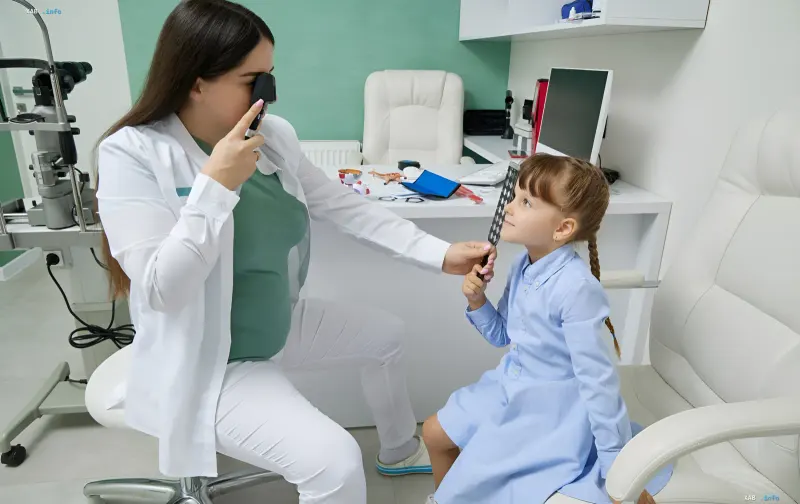
In 2026, the focus is on prevention. If deviations in development are detected during the examination, the doctor may refer the child for a consultation with an ophthalmologist, surgeon, neurologist, or other specialists. This allows for the detection of vision problems, posture issues, or flat feet at early stages when they are easiest to correct.
Laboratory tests and physical development
The modern protocol for medical examination includes not only a visual inspection but also laboratory tests. The standard package of tests includes a complete blood count and a general urine analysis. These indicators allow the doctor to assess the presence of hidden inflammatory processes, anemia, or other pathologies.
In addition to tests, doctors carefully measure anthropometric data: height, body weight, head circumference, and chest circumference. Special attention is paid to assessing posture and foot arches, which is critical for preventing scoliosis and flat feet during the period of active growth. Visual acuity and hearing are also checked, which directly affects the child's academic performance at school.
Vaccination in 2026: what parents need to know
An important part of school preparation is checking the vaccination status. Since the beginning of 2026, an updated National Calendar of Preventive Vaccinations has been in effect in Ukraine. According to PHCU recommendations, at 6 years old, children undergo revaccination against poliomyelitis, diphtheria, and tetanus. This is a critically important stage for maintaining immunity.
For older children, specifically girls aged 12–13, vaccination against human papillomavirus (HPV) is provided. This measure is aimed at preventing oncological diseases in the future. To minimize the number of injections and stress for the child, doctors recommend using combined vaccines, which can simultaneously contain antigens against hepatitis B, pertussis, diphtheria, tetanus, poliomyelitis, and Hib infection.
Features of transferring to another school
For parents whose children are transferring from one educational institution to another, there are simplified rules. If the child has already undergone a full medical examination in the current year, there is no need to repeat the full procedure. In this case, it is sufficient to undergo an examination by a family doctor or pediatrician, who will confirm the absence of acute diseases and issue the necessary certificate based on existing data.
Conclusion: Certificate form 086/o and recommendations
Upon completion of all necessary examinations and tests, the family doctor or pediatrician makes a final conclusion about the child's state of health. Based on this, a medical certificate form 086/o (extract from the medical card of an outpatient) is issued. This document confirms that the child is healthy and ready for the academic workload.
The doctor may also provide individual recommendations regarding diet, physical activity, and additional preventive measures. Remember that a timely medical examination is an investment in your child's health for the entire school year.