At a Security Council meeting, Ukraine’s permanent representative Andriy Melnyk delivered an address directed straight at Russian citizens. According to RBC-Ukraine, citing the Security Council’s broadcast, the diplomat switched to Russian during his speech, addressing “Russian husbands, wives, and mothers,” and warned of a new wave of mobilization that, he said, is being prepared in the Russian Federation. The central message of his appeal was a call to leave the country “while it’s not too late” — before, in Kyiv’s assessment, forced conscription for the front begins.
Forecast: up to 500,000 people “one way”
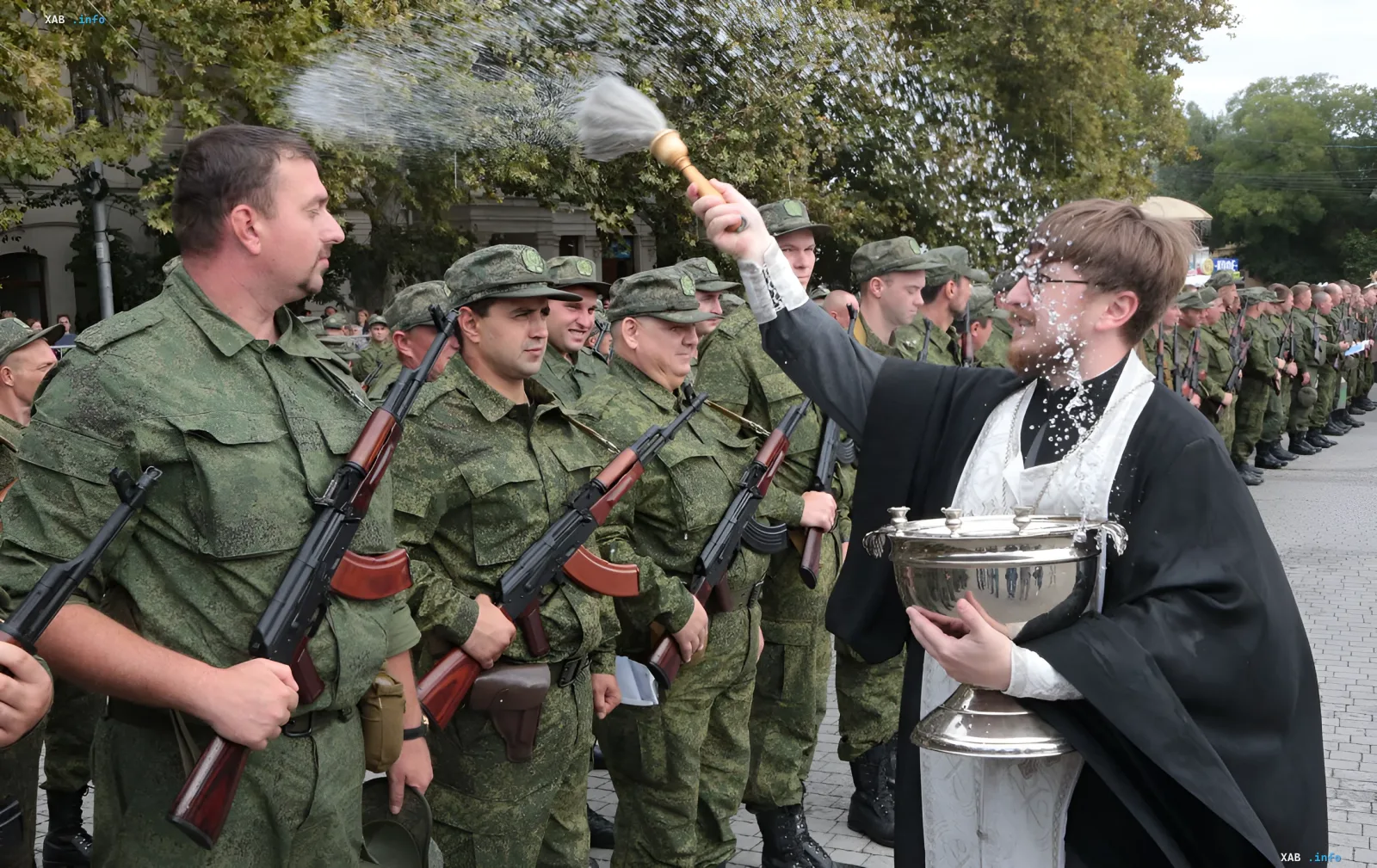
Melnyk linked the expected mobilization to the conclusion of so-called elections to the Russian State Duma. In his words, after September 20, when, as he put it, “dictator” Vladimir Putin will have the corresponding political pretext, forced mobilization will begin in Russia. The diplomat named a specific figure — up to 500,000 people, who, he claimed, are planned to be sent “to Ukrainian soil one way.” In summary, Melnyk stated that Russians should leave the country while there is still such an opportunity, and added that fuel supplies in the Russian Federation may run into problems.
Contradictory data
Kyiv’s statements directly contradict Moscow’s position. Just days ago, Russia’s permanent representative to the UN, Vasiliy Nebenzia, publicly assured that any mobilization in Russia is not planned. Melnyk, in turn, compared these denials to the rhetoric of the war’s outset, when the Russian Federation also declared that an invasion was not on the agenda. Thus, one side asserts that a mass conscription is being prepared, while the other categorically denies the very fact of mobilization preparations; as of publication, there is no independent confirmation of the specific figures (including the 500,000 estimate).
“Hidden mobilization” per Russian media data
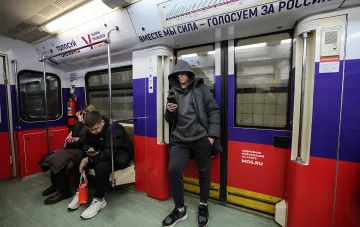
Beyond the diplomatic statements, data from Russian media on so-called “hidden mobilization” is cited as context. It is reported that forcible detentions and coercion into signing contracts with the Ministry of Defense have already been recorded in 17 regions of Russia. These reports, according to the outlet’s assessment, are used to illustrate that the processes Moscow officially denies may be unfolding on the ground.
The war’s “boomerang” and a call to the UN
During the same speech, Melnyk reportedly quoted a Soviet cartoon, reminding Russians of the war’s “boomerang” — a metaphor that the consequences of a conflict return to its initiators. Earlier, the diplomat also called for excluding Russian military from participation in UN peacekeeping missions, demanding that Russia be stripped of the corresponding rights within the organization. The address to Russian citizens against the backdrop of a probable mobilization became part of this broader line of Ukraine’s public diplomacy in the Security Council.