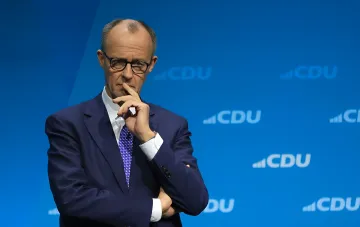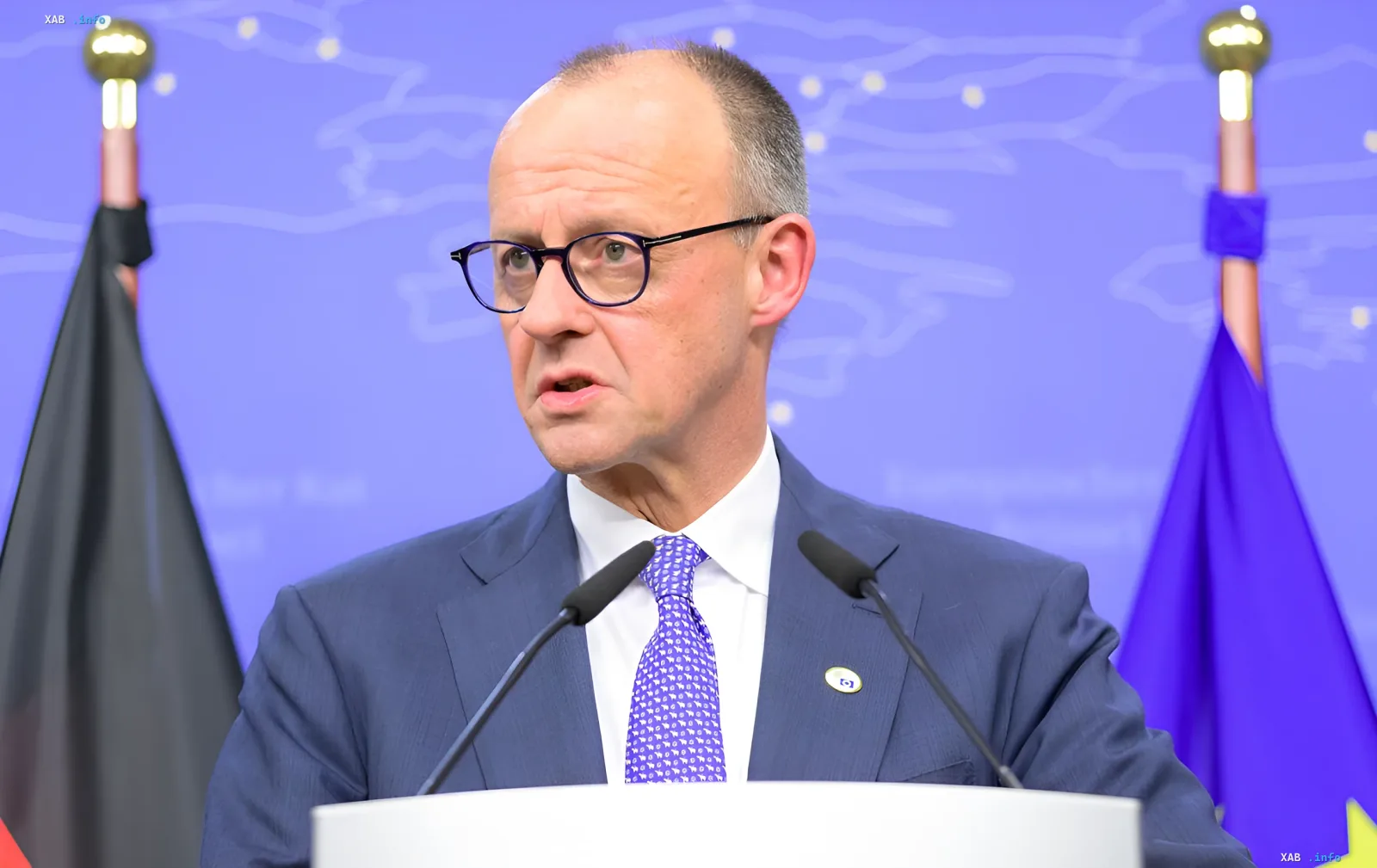
German Chancellor Friedrich Merz delivered a sharp statement at the European Arctic Summit in the Finnish city of Rovaniemi, emphasizing that Europe's security must become the central element of the continent's entire political agenda. In his words, Germany's fate is inextricably linked to the fate of Europe as a whole, and it is precisely for this reason that the question of collective security requires immediate discussion at the highest level. Merz stated outright that Europe is facing 'decisive weeks and months' in defending 'the freedom and peace of our continent' from Russia, and called on allies not to ease the pressure on Moscow.
'I Will Do Everything Possible'
Addressing the summit audience, the German Chancellor made a personal commitment: 'I will do everything possible to secure our support and convince people that this is in our own interests,' referring to continued aid to Ukraine in the war against Russia. Merz stressed that Germany must remain 'unwavering' until, in his words, 'this terrible war ends.' He warned that a Russian success on the battlefield would have 'unpredictable and unprecedented consequences for everyone, including for Germany.'
Financial Support for Kyiv and the Role of Allies
The context of Merz's speech is complemented by recent reports that his team is ready to cover the increase in Ukraine's defense spending and is calling on Kyiv's other allies to join this process. Thus, the Chancellor is effectively cementing Berlin's financial responsibility for scaling up military aid, while simultaneously calling for solidarity within NATO and the EU. The statement at the Arctic Summit in Rovaniemi, which Finland is hosting in September 2026, became part of a broader campaign to consolidate the European community around the issue of security.
Domestic Political Backdrop: The AfD Factor
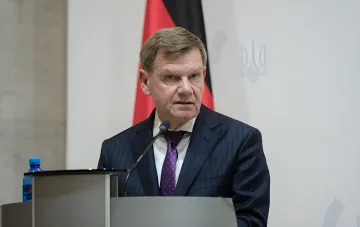
Merz's speech came against a backdrop of domestic political tension in Germany. Earlier, the Chancellor reacted to the victory of the 'Alternative for Germany' party (AfD) in the local elections in the state of Saxony-Anhalt, stating that the voting results 'will have consequences for all of Germany and the international situation.' Experts, including former Ukrainian Consul in Munich and Chancellor of the Ukrainian Free University Dmytro Shevchenko, noted that the AfD's success in regional elections could over time affect the scale and nature of aid to Ukraine and to Ukrainian refugees in Germany. In this situation, Merz's statement at the Arctic Summit is perceived as an attempt to publicly lock in Berlin's course and neutralize the possible erosion of support for Kyiv within the country.
Contradictory Data
Open sources record various emphases in Merz's public statements in recent months. On the one hand, at the Arctic Summit in Rovaniemi the Chancellor bet on the rhetoric of 'decisive weeks and months,' unwavering resolve, and continued pressure on Russia. On the other hand, in a number of publications (including materials citing Merz's statements in July–August 2026) there is his call to 'freeze the line of the front' in Ukraine as a condition for starting the negotiation process. These two lines — firm military support and readiness to discuss fixing the front — can be interpreted as different stages of a single strategy or as an internal contradiction in Berlin's positions. As of the time of preparing this material, no official clarification from the Chancellery on the relationship between these two approaches had been issued.
The Significance of the Arctic Summit
The European Arctic Summit, held in Rovaniemi, has traditionally been a platform for discussing not only the Arctic agenda but also broader issues of European security, including NATO's northern flank and interaction with Russia in the Arctic. The choice of precisely this forum for a sharp statement about 'decisive weeks' indicates that Merz intends to tie the Arctic theme to the broader context of geopolitical confrontation. For Kyiv, the German Chancellor's speech at such a specialized venue serves as an additional signal that Berlin views support for Ukraine not as a temporary measure but as a long-term strategic priority.