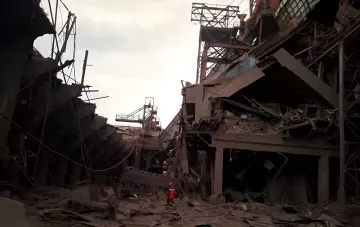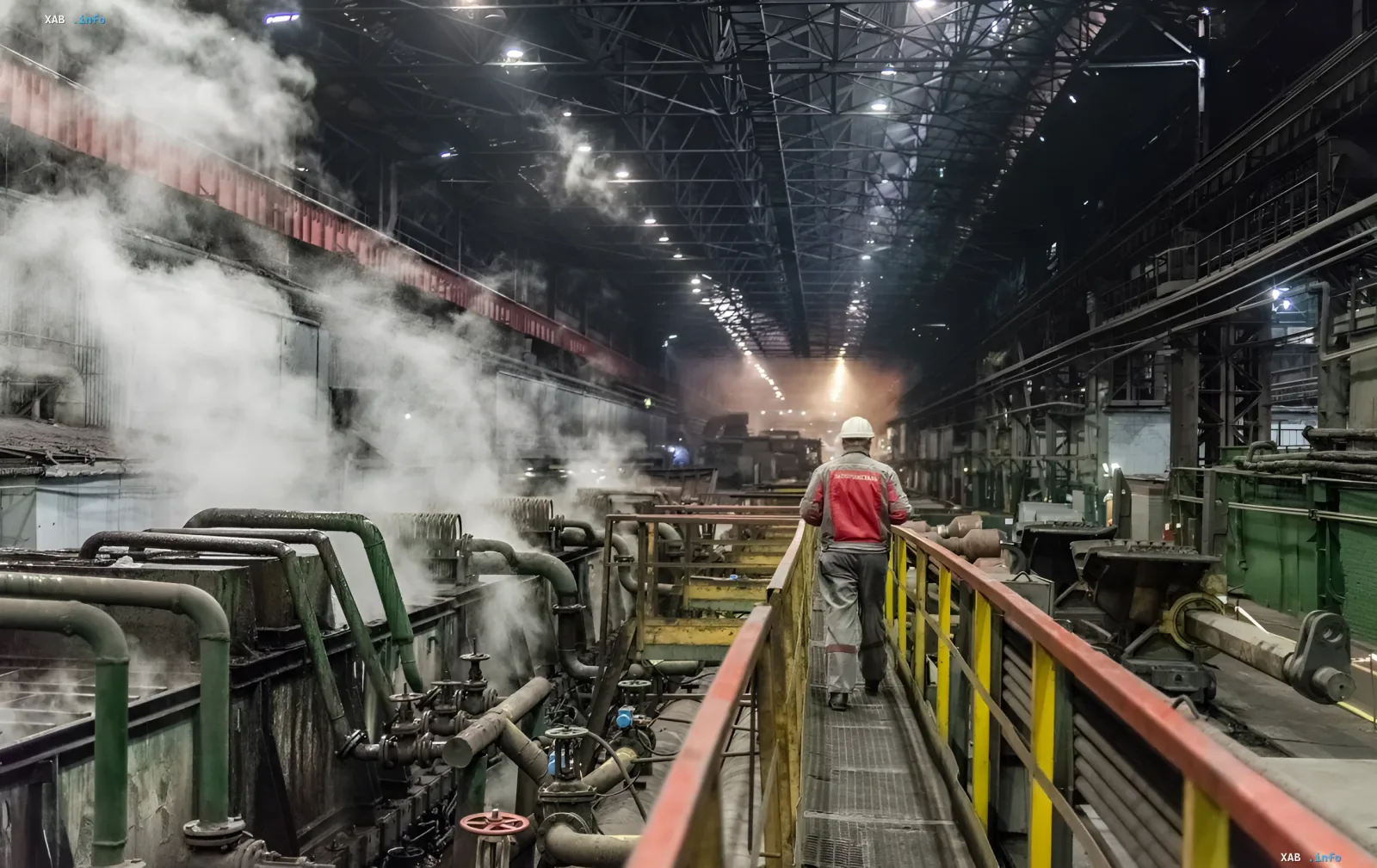
The Ukrainian mining and metallurgical sector is facing an unprecedented crisis in August 2026. The blockade of maritime ports has already led to a forced reduction in production at key enterprises across the country. Experts and business representatives warn: if the situation does not change in the coming weeks, the industry risks losing up to 35% of its production capacity and incurring losses of $150–200 million per month.
Mass Shutdowns: Ferrexpo and Metinvest Under Fire
The largest market players were the first to react to the logistical collapse. Since the beginning of August, the Ferrexpo group has decided to suspend production at the Poltava Mining and Beneficiation Plant. The shutdown is expected to last approximately 10–20 days. The main reasons cited are the inability to export products through blocked ports and an acute shortage of working capital needed to maintain operational activities.
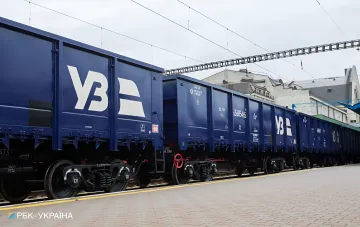
A similar situation is observed within the Metinvest group. The company is forced to halt mining at the Yuzhny Mining and Beneficiation Plant (MBP). The holding's press service reported that mining reduction at the United MBP (which includes the Severny, Tsentralny, and Inhuletsky plants) in August could reach 30% compared to 2025 figures. This will lead to a sharp decline in the volume of rail freight of products — by 1.3 million tons per month.
Economic Trap: Why Land Export Does Not Save the Day
In the context of the closure of Ukraine's maritime gates, businesses are trying to find alternatives, but they prove to be economically unfeasible. Reorienting iron ore exports through the western border to Polish ports (e.g., Gdansk) entails colossal costs. According to company estimates, the logistics of one ton of iron ore raw material to a Polish port will cost $50. Meanwhile, the cost of a ton of pellets is around $100, making such a scheme unprofitable.
Furthermore, the Danube ports, which previously served as an alternative, currently have limited throughput capacity. Enterprises physically cannot accumulate products in warehouses due to a lack of working capital. As noted in the industry, access to the sea is not just a logistical channel but a critical factor for business survival.
Import Threat and Global Markets
The problem is twofold: not only export flows suffer, but also raw material imports. The cessation of shipping in Black Sea ports has jeopardized coal supplies. After the shutdown of the Pokrovska Coal Group, metallurgical companies need to import about 250,000 tons of coal monthly. There are no alternative sources within Ukraine, which puts the operation of blast furnaces at risk.
Metinvest emphasizes that the closure of ports hits key export directions: iron ore raw material cannot reach China and Turkey, pig iron cannot reach the USA, and metal products cannot reach countries in Southern Europe and the Middle East. This is not only direct financial loss but also a loss of market positions on the global stage.
Expert Forecast: "Worse Than 2022"
Alexander Kalenkov, President of the Ukrmetallurgprom association, called the current situation more critical than in 2022–2023. "Back then, prices were better, and enterprises were able to survive the crisis. Now there is no alternative to the ports of Odesa," he stated. According to him, if access to the sea is not restored in the coming weeks, some enterprises will be forced to switch to a mode of complete standstill.
Business representatives are sounding the alarm: Ukraine risks losing billions of dollars, and the industry could degrade to a state from which recovery will take years.