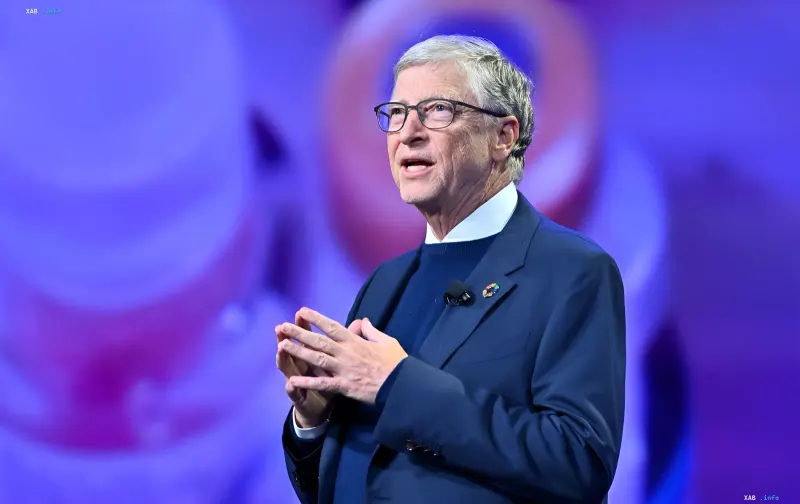
According to leaked internal information, Microsoft is offering about 60,000 employees—a quarter of its workforce—a financial support and career planning package as part of a voluntary layoff. The optimization reportedly affects company divisions in Canada, India, the UK, and the US. Amid these reports, Microsoft founder Bill Gates publicly outlined just four areas that, in his estimation, will remain resilient to automation.
Leak Regarding Large-Scale Optimization
According to published internal materials, the corporation is preparing a package of measures for affected employees, including financial support and a career planning program. In scale, the offer covers about 60,000 people, which is approximately a quarter of Microsoft's total global workforce, exceeding 220,000 specialists. According to the leak, divisions in four countries fall into the optimization zone: Canada, India, the UK, and the US.
Layoffs Amid Record Profits
The optimization is taking place despite the company's high profitability. According to figures cited in the materials, Microsoft earned $133.75 billion last year, with profit growth of 31 percent compared to the previous period. Corporate management confirmed that the voluntary buyout offer is time-limited and aims to optimize resources during the active implementation of artificial intelligence tools.
Four Areas That Cannot Be Automated
Bill Gates stated that artificial intelligence will solve most tasks in goods production, logistics, and agriculture. In his view, humans will retain only those areas where a “purely human factor or specific knowledge” is important. The Microsoft founder highlighted four categories of specialists who, by his estimate, will not be replaced by AI; however, the available materials do not disclose the full list of these categories in detail, focusing instead on the criteria of the “human factor” and unique expertise.
Musk's Forecast and International Organization Data
This alarming forecast was also supported by SpaceX founder Elon Musk, who stated at the G20 summit that over the next 10 years, more than a billion humanoid robots will appear globally, with productivity five times that of humans. Research by the International Monetary Fund and the International Organization of Labor indicates that 40 to 60 percent of jobs in developed countries have a high level of interaction with AI. Microsoft, in turn, has published a list of professions where technology performs the largest share of complex tasks. Experts emphasize that many indicators in this list reflect the high efficiency of AI in performing individual tasks, rather than the complete automation of a profession at this stage.