An insider known as HXL has published an internal Microsoft presentation revealing the long-term classification of Windows-based AI computers. The document mentions upcoming processor generations from AMD, Intel, NVIDIA, and Qualcomm, showcasing how the corporation plans to structure its "hybrid intelligence" ecosystem. Essentially, the company has divided the market into four distinct tiers based on RAM capacity and local neural network execution capabilities—ranging from affordable devices to professional workstations.
Four Tiers of "Hybrid Intelligence"
The entry-level Tier 0 is designed for affordable laptops priced around $500 with 8GB of RAM. This group includes devices powered by Intel Wildcat Lake, entry-level AMD Ryzen 100/200, and Snapdragon X chips. According to the presentation, these systems are only capable of the simplest contextual operations, thus forming the lower entry threshold into Microsoft's AI device ecosystem.
The Mass Copilot+ Segment
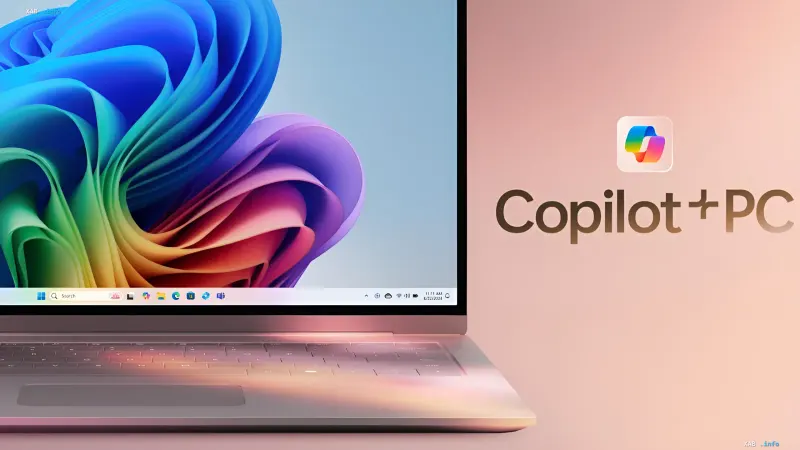
The central link is Tier 1—the mass segment with memory capacities ranging from 16GB to 64GB, certified under the Copilot+ standard. These machines shoulder the execution of most cloud and background AI tasks directly on the device. In addition to current Panther Lake and Gorgon Point chips, the group will include upcoming generations of Intel Core Ultra Series 4 (Nova Lake) and AMD Ryzen AI 500 (Medusa Point). The premium Tier 1 subclass features powerful hybrid solutions like AMD Ryzen AI MAX+ 400 (Gorgon Halo) and NVIDIA RTX Spark (N1X) chips.
Professional Workstations and Personal Supercomputers
The upper categories, Tier 2 and Tier 3, targeting 128GB or more of unified memory, are intended for local training of large models and personal AI supercomputers. The presentation mentions Intel Crescent Island accelerators with up to 512GB per chip, NVIDIA DGX stations with GB300, and AMD Threadripper Halo Station platforms. Thus, Microsoft is establishing an architecture where flagship devices act as local computing centers for large neural networks.
Confirmations from AMD
Some information from the leak has already received official confirmation. AMD previously confirmed Zen 6 desktop and laptop processors from the Medusa family, while insiders attribute laptop RTX 5070 Ti-level integrated graphics to the more powerful hybrid AMD Medusa Halo chip. Taken together, these data indicate that Microsoft's classification relies on real roadmaps from chip partners rather than hypothetical scenarios.