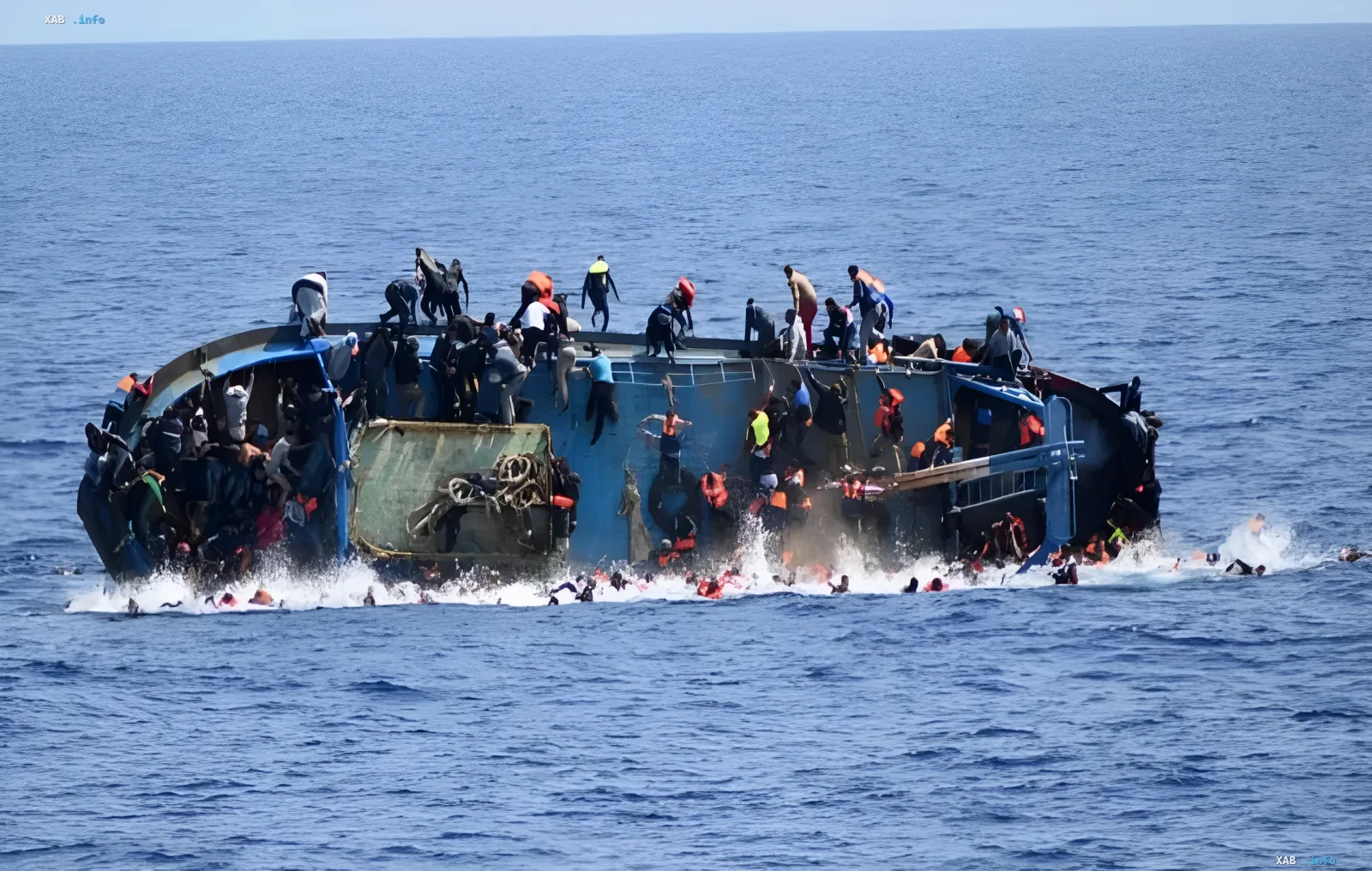
A major humanitarian disaster occurred off the coast of the East African state of Djibouti on the night of October 8–9, 2026. An overcrowded boat carrying migrants capsized and sank in the Godoria area in the north of the country. This tragedy has once again exposed the cruelty and desperation of illegal migration routes chosen by people fleeing poverty, conflict, and severe socio-economic conditions in the Horn of Africa.
Scale of the Tragedy and Rescue Operations
According to official data from rescue services and local authorities, 109 people, including 15 young children, died as a result of the shipwreck. However, some international sources cite even more horrifying figures, reporting 139 fatalities. The fate of another 116 passengers remains unknown as they are listed as missing. Thanks to the prompt response of the Djibouti Coast Guard and local residents, 80 people were rescued and provided with necessary medical and psychological assistance. Search operations in the area continue despite difficult weather conditions and the time elapsed.
Causes and Dangers of the Migration Route
According to preliminary expert estimates, the small vessel was carrying between 305 and 350 people, which significantly exceeded the safe capacity limit. Most passengers were desperate citizens from the Horn of Africa countries—Somalia, Ethiopia, Eritrea, and Djibouti itself. Their ultimate goal was a perilous transit through Yemen to wealthy Persian Gulf states, where they hoped to find jobs to financially support their families back home. This maritime corridor has long been controlled by ruthless human traffickers and is considered by UN experts to be one of the deadliest migration routes on the planet.
Contradictory Data
An analysis of official reports and media coverage revealed certain discrepancies in the death toll statistics. While several reputable publications (including DW), citing humanitarian organizations, report 139 dead, other sources (including Life.ru and Zamin.uz) state a figure of 109 confirmed victims. Such discrepancies in estimates of dead and missing persons are typical for such disasters, as the exact number of people aboard smuggled vessels is often impossible to establish due to the absence of passenger manifests.
Aftermath and International Community Reaction
The new tragedy off the coast of Djibouti has once again drawn the world's attention to the problem of uncontrolled and dangerous migration across the Gulf of Aden. Human rights organizations are calling for intensified efforts against transnational criminal syndicates that traffic people under mortal risk. Without creating legal labor migration pathways and effective socio-economic support for countries of origin, such humanitarian tragedies claiming the lives of hundreds of innocent people will continue.