New record: 230 migrants on a single inflatable boat
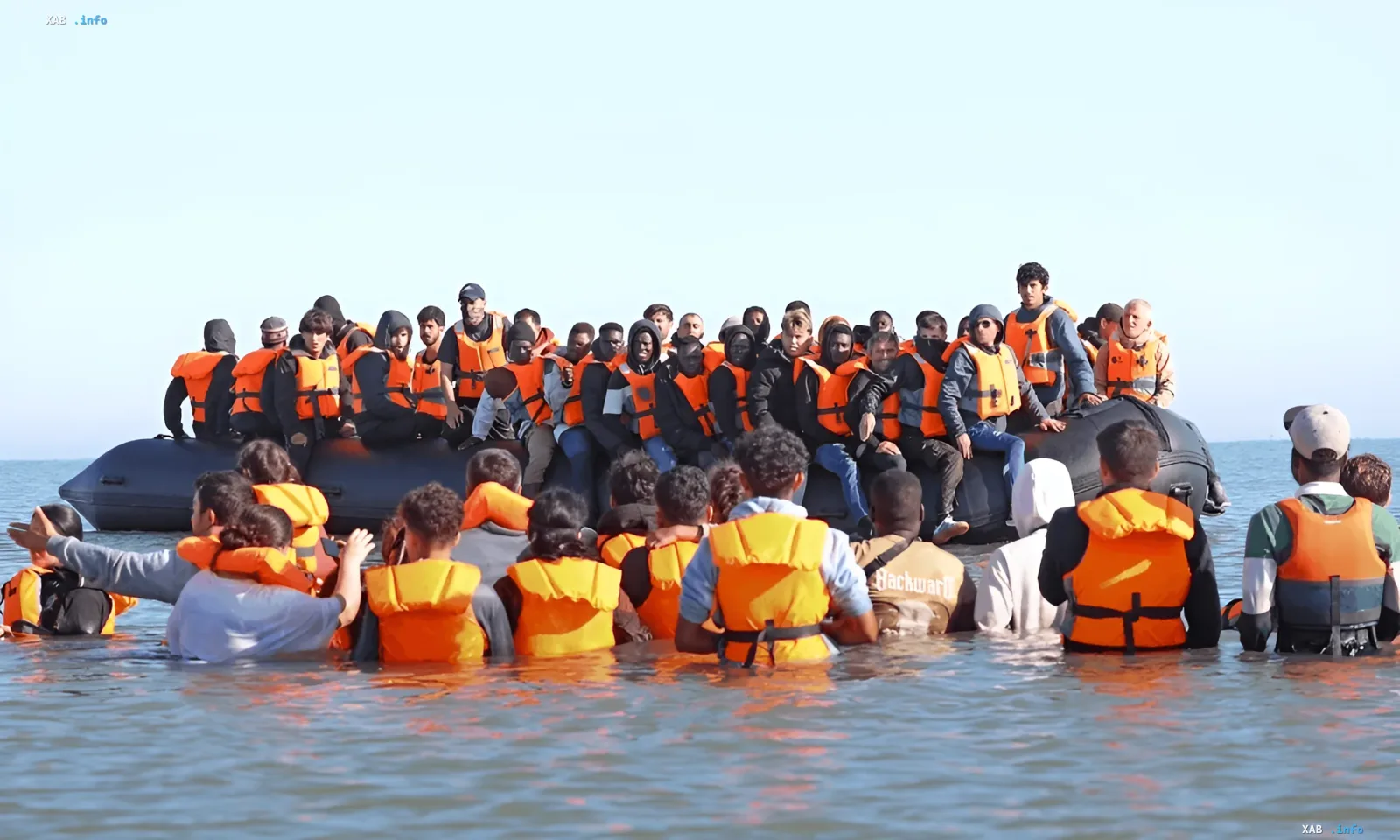
On August 10, 2026, an incident occurred in the port of Dover that experts are calling unprecedented in the history of illegal migration across the English Channel. The UK Border Force and the Royal Coast Guard intercepted an inflatable boat carrying 230 people on board. The vessel left the French coast on the evening of August 9 and was spotted in the waters of the Strait early on the morning of August 10. All passengers were brought to a safe location in the Dover docks.
This incident not only became the largest recorded crossing in a single trip but also broke the previous record set just a month earlier. In July 2026, 165 migrants were found on a single boat. However, despite the increase in the number of people on a single vessel, the total number of illegal border crossings since the beginning of 2026 amounted to 15,049 people on 224 boats, which is 42% less than during the same period last year.
Evolution of smuggling: from small groups to 'super-loads'
Statistics from recent years demonstrate a worrying trend in the changing tactics of gangs involved in human trafficking. Since 2018, when more than 205,000 migrants crossed the English Channel, the structure of transport has changed radically. If in 2018 the average capacity of a boat was about 7 people, by the end of March 2026 this figure had risen to 63 people, and in August it reached an average of 70 people.
Experts assess this dynamic as an attempt by criminal groups to maximize illegal profits. Transporting a large number of people on a single vessel allows for reducing the cost of a single crossing, despite the colossal risks to passenger safety. Last week, for example, an attempt to transport 173 people on one boat ended in failure: the vessel's engine caught fire, and the boat was forced to return to France.
Political reaction and risk assessment
The incident with 230 passengers provoked a sharp reaction within the British political establishment. The leader of Reform UK, Nigel Farage, called the arrival of such a crowd of people a "national security emergency," demanding stricter border control measures from the government.
At the same time, a representative of the UK Home Office emphasized the safety of people. In an official statement, the department warned that criminal syndicates are using "reckless and dangerous" methods by overloading unseaworthy vessels. Officials emphasize that such practices put the lives of hundreds of people at risk, who could perish in the event of a shipwreck in the open sea.
Contradictory data
In the context of assessing the situation, there are discrepancies in the interpretation of statistical data. On the one hand, the government and law enforcement agencies note a 42% decrease in the total number of illegal crossings compared to last year, which indicates the effectiveness of current containment measures. On the other hand, the sharp rise in the average capacity of boats (from 7 to 70 people) indicates that, despite the decline in the overall flow, the logistics of smugglers have become more aggressive and risky. This creates a paradoxical situation: the statistics of the "success" of border control are improving, but the potential cost of a single failed crossing attempt for human lives increases manifold.