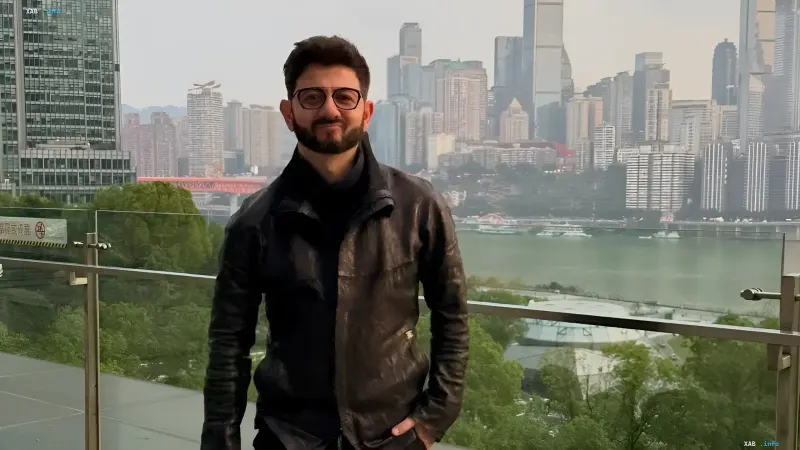
Russian actor and comedian Mikhail Galustyan has officially asked for forgiveness from the Tajik people following a visit to Dushanbe that sparked fierce discussion on social media. On September 30, the artist arrived in the capital of Tajikistan as an honored guest for a closed-door event, but his arrival provoked heated controversy in the local internet segment. Amid mounting criticism, Galustyan recorded a video message in which he openly expressed his feelings, acknowledged potential mistakes, and offered an apology. According to available reports, the recording was first published on the account of Oleg Samsonov, head of TAS International Group.
The Reason for the Backlash: A Visit Within a Development Project
As follows from available information, Galustyan's trip to Dushanbe was linked to a business event: TAS International Group invited the artist to the official presentation of the large-scale modern development project "Dushanbe International District." According to data cited in the background of the material, the project is estimated at approximately $1.5 billion and includes the construction of a 77-story tower up to 340 meters high. It was the public appearance of the famous Russian showman at such an event that triggered the discussion in Tajik social media.
The Dispute Over "Our Russia" Persona
The central point of criticism became the once-popular stage personas from the comedy show "Our Russia"—primarily the characters Ravshan and Dzhumshut. Online activists and critics emphasized that these portrayals infringed upon the dignity of labor migrants and fostered negative perceptions of Tajiks. For a significant portion of the audience, these roles, created many years ago, became the main reason why the actor's arrival in the country was met with mixed reactions.
A Divided Public
Public reaction to Galustyan's visit turned out to be mixed. While one faction of users strongly opposed the actor's visit, citing past satirical characters, others urged forgiving past jokes and moving toward a constructive dialogue. This polarization of opinions essentially defined the context in which the artist had to publicly respond to the criticism.
Official Apologies and Acknowledgment of Mistakes
In his address, Galustyan expressed sincere regret if his former stage personas offended anyone or hurt anyone's honor, and asked for forgiveness from the entire Tajik people. The artist noted that he visited Dushanbe for the first time and emphasized that the city's beauty, architecture, and the sincere hospitality of the locals left him with very warm impressions. In his appeal, he also thanked them for the warm welcome and stated that the trip allowed him to get closer to the rich history and culture of Tajikistan, mentioning prominent historical figures and thinkers whose works have become part of world civilization.
Reaction and Conclusions
According to available data, Galustyan's sincere apologies and acknowledgment softened the tone of discussions on social media and were positively received by many fans. Thus, the artist's public appeal, recorded after the resonance surrounding his visit to Dushanbe, became the main outcome of the entire discussion: it allowed shifting the conversation from mutual recriminations to a dialogue and recognition of the feelings of the Tajik audience.