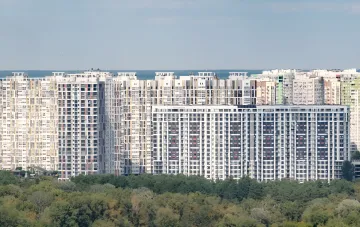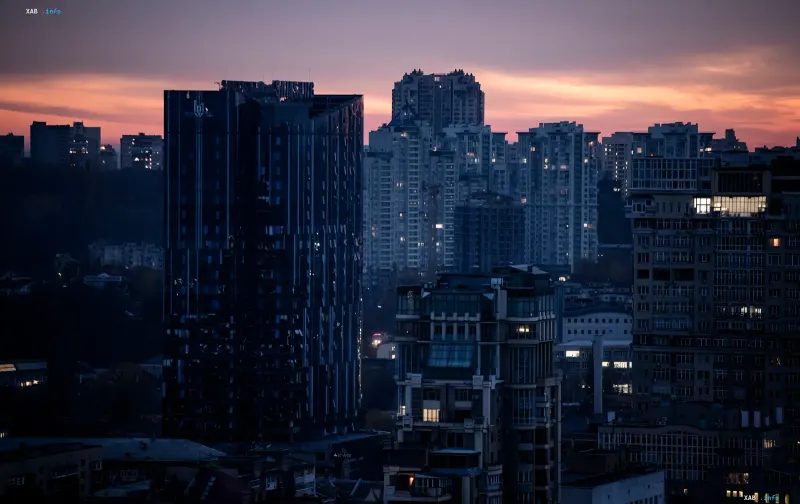
Winter power outages pose severe threats to multi-apartment residential buildings, especially high-rises, where the shutdown of water pumps and boiler rooms can lead to the complete freezing of heating systems. Since the responsibility of utility services ends at the outer entrance of the building, ensuring autonomy falls exclusively on the shoulders of residents and co-owners. Full backup power requires massive financial investments calculated in millions of hryvnias.
Heating Season Threats and First Steps
The main danger during seasonal blackouts is the cessation of water and heat circulation within the building. Without electricity, individual heating point automation, pump groups, and boiler rooms instantly fail. Olena Svarichevska, Chairperson of the Board of the Kyiv HOA "Syretsky Boyar," notes that at the initial stage of preparation for the cold weather, residents considered installing powerful inverters; however, detailed calculations showed them insufficient for maintaining the building's vital functions.
Actual Costs and Hybrid Station Project
As a result of the calculations, it was decided to purchase a powerful generator to get through the peak winter loads. The total cost of this project amounted to approximately 2.5 million hryvnias, with the average target contribution per apartment being about 6,000 hryvnias. In parallel, the HOA applied to participate in the "70/30" municipal program, where 70% of the cost is covered by the local budget and 30% is raised by residents. The cost of the hybrid solar power plant project reached about 6 million hryvnias.
Operational Expenses and Fuel
In addition to capital expenditures for equipment procurement, residents regularly incur maintenance costs, specifically for generator fuel. During the coldest months, fuel expenses were calculated based on actual usage and displayed as a separate item in utility bills. On average, over two difficult months, residents had to pay an extra 300 hryvnias per apartment monthly, as a fixed fuel amount was not pre-approved.
Contradictory Data
It is worth noting that while municipal HOAs independently seek million-dollar investments and participate in co-financing programs, critical infrastructure facilities and regional utility networks in other regions are switched to backup power centrally through state or departmental reserves. Nevertheless, experts point out discrepancies in assessments of the housing stock's readiness for winter: while local government representatives report high citizen activity in installing alternative energy sources, independent auditors highlight a lack of funds in most old high-rises.