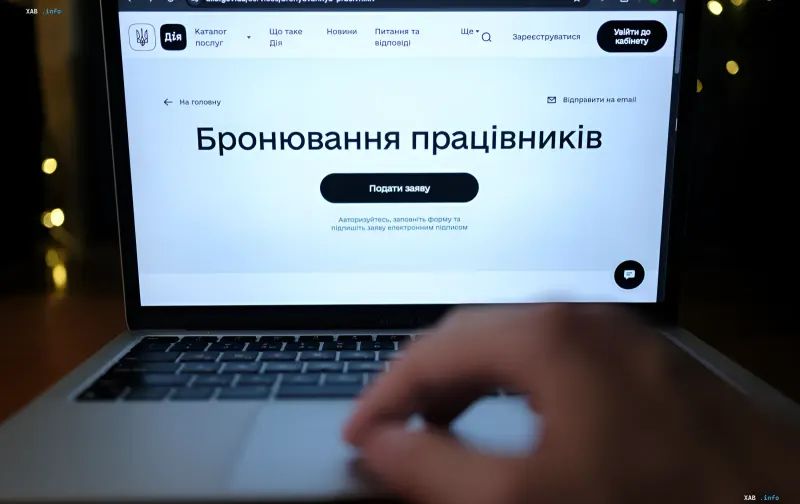
The Ministry of Culture of Ukraine has approved an updated procedure for granting the status of "critically important" to enterprises, institutions, and organizations in the spheres of culture and information activity. This is reported by RBC-Ukraine with reference to the Ministry of Culture's order No. 1648 dated November 23, 2026. The document enters into force on the day of its official publication and cancels previous acts of the agency that defined criteria in 2025–2026.
General principle: meeting one criterion is enough
According to the new order, to obtain the status, an enterprise, institution, or organization must meet at least one of the criteria approved by the agency. For state institutions and organizations in the cultural sphere, the grounds include holding national status, preserving the state part of the Museum Fund of Ukraine, participating in the implementation of Ministry of Culture policies, providing state grant support, and ensuring the activities of state art collectives. Separate requirements are set for enterprises that have been operating for at least two years and participate in the implementation of the main tasks, functions, and policies of the Ministry of Culture: for them, coordination from the Coordination Center for the Organization of Reserving Conscripts is required.
Cinema: decisions are made by the State Film Agency via a special commission
For the cinematographic industry, a separate procedure has been defined: the decision on granting the status of critically important enterprises in this sector will be made by the State Agency for Film, which must establish a special commission for this purpose. Organizations that held at least 500 film screenings in 10 or more regions of Ukraine in the previous calendar year will be eligible, provided that at least 20% of screenings are non-commercial—referring to sessions for military personnel, veterans, internally displaced persons, and other categories of viewers.
Additionally, the enterprise must have been operating in the field of production, distribution, and screening of films for at least three years. Over the last two years, the company must have produced at least one national feature film or four short films. Alternatively, it must confirm the distribution of at least six national feature films in Ukraine or abroad, or have organized four cultural and artistic events outside the country featuring Ukrainian cinema.
Book publishing and television: quantitative thresholds
For publishers, the status can be obtained by enterprises that, over the last 12 months, have implemented at least two projects on the creation, promotion, and sale of book publications as a national creative product, presenting these projects in at least eight regions of Ukraine or in two other countries. In the information sector, criteria include holding national status, working in international broadcasting or public audiovisual media services, and the monthly production of patriotic and socially important audiovisual content for TV channels or ensuring the broadcasting of materials within the framework of the "United News #UA together" telethon.
Specifically, producers who create at least 10 hours of content for the telethon monthly with a total cost of 1 million UAH or more can claim the status, as well as companies providing technical, creative, editorial, and other services related to the production or broadcast of the marathon, if their cost is from 1 million UAH monthly.
Context: extension of reservations until December 20
The update of criteria takes place against the backdrop of systematic changes in the reservation mechanism. At the end of October, the Cabinet of Ministers updated the rules for determining critically important enterprises and reserving conscripted employees, as well as provided for a transition period for organizations whose status validity expires at the end of the year. By the Cabinet resolution (No. 1452 dated November 19, 2026), the validity of individual decisions on defining critically important enterprises and reserving their employees has been extended until December 20, 2026, inclusive, including mobilization deferrals for those processed through the electronic services portal.
Conclusion
Thus, the new criteria cover a wide range of enterprises in the cultural and information spheres: for each direction—cinema, publishing, television, and publishing activity—separate quantitative and qualitative requirements have been set, from the number of screenings and books published to the volume of television content. Effectively, the agency has linked the right to reserve employees to specific, measurable performance indicators in the state's interest.