The White House is actively considering imposing strict restrictions on dangerous biological research, with US government documents increasingly referencing so-called mirror organisms. Biosafety experts are sounding the alarm, warning that the uncontrolled creation of such synthetic life forms could trigger a global catastrophe comparable to an irreversible ecological crisis.
Chirality and the Nature of Mirror Life
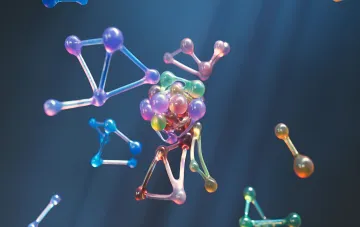
To understand the full depth of the threat, one must look to fundamental biochemistry. Almost all natural biological molecules on Earth exhibit a specific chirality, or 'handedness'. Specifically, the DNA helix is built from right-handed sugars, while all vital proteins are formed exclusively from left-handed amino acids. The concept of mirror life involves the artificial creation of synthetic microorganisms, primarily bacteria, with a completely inverted molecular structure.
Deadly Vulnerability of Earth's Biosphere
The main danger of mirror microorganisms lies in the absolute absence of natural defenses within the existing ecosystem. The immune systems of all living beings on Earth—plants, animals, and humans—as well as natural enzymes and micro-predators, are simply incapable of recognizing, binding, and neutralizing mirror foreign agents. In the event of an accidental or intentional lab leak, such bacteria could begin to multiply uncontrollably, acting as an aggressive invasive species and causing fatal infections against which the biosphere has no evolutionary defense tools.Controversial Data
Active debates continue within the expert community and government circles regarding the realistic timelines and scale of the current threat. Some researchers insist that the technological distance to creating the first fully functional mirror ribosomes is 10 to 30 years, giving humanity enough time to formulate preventive international laws. Other experts argue that the rapid development of artificial intelligence in synthetic biology could dramatically shorten this time lag. Additionally, disagreements persist over how effectively existing diplomatic mechanisms can regulate such groundbreaking yet hazardous biotechnological research amid current geopolitical tensions.