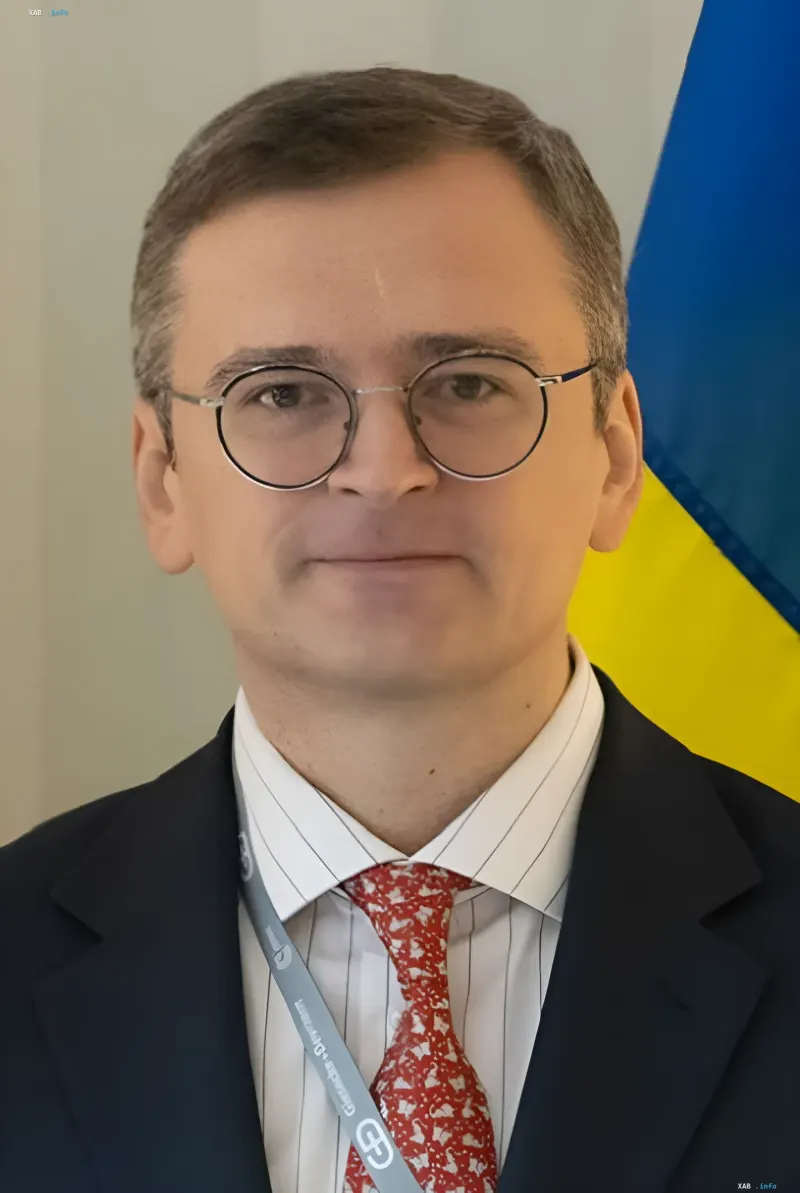
Amidst the ongoing military conflict and the persistent threat of ballistic attacks, the issue of air defense (Air Force) effectiveness remains one of the most critical for Ukraine's national security. On August 11, 2026, a statement by former Ukrainian Foreign Minister Dmytro Kuleba caused a stir, as he analyzed the current state of missile defense and highlighted the critical challenges facing the country's sky protection system in the current year.
Strategic Analysis: Lack of Short-Term Solutions
In his public address, Dmytro Kuleba noted the absence of short-term prospects for fully resolving the problem of intercepting ballistic targets in 2026. The expert pointed out that the current situation is characterized by an objective shortage of surface-to-air missiles necessary to ensure dense coverage of key infrastructure facilities and populated areas. According to him, stable supplies of interceptor missiles for surface-to-air missile systems are not expected in sufficient volume in the foreseeable future.
Kuleba emphasized that in today's reality, the defense strategy boils down to a situational calculation that the next strikes will not hit critically important targets, as well as the hope that kinetic pressure on the infrastructure of the Russian Federation will lead to a critical deterioration of the situation for the Russian leadership, forcing it to change its strategy. In the opinion of the former minister, this approach is a forced measure dictated by the disproportion in the volumes of armaments.
Technical Issues and Production Limitations
The key technical problem, according to the situation analysis, is the limited production capacity of partner countries. At this stage, Western allies are unable to promptly cover Ukraine's needs for PAC-3 type anti-ballistic missiles for the MIM-104 Patriot systems. This creates a "bottleneck" in the logistics supply chain that cannot be overcome even with political will and financial commitments.
As a fundamental response to these challenges, the diplomat calls for the accelerated development of its own, as well as a pan-European anti-ballistic program. Kuleba noted that only the creation of a sustainable production base and the integration of efforts of European countries in the field of development and production of air defense components can ensure long-term security and independence from fluctuations in supply volumes.
Positions of the Parties and Legal Basis
The theses voiced by Dmytro Kuleba reflect the expert-political position of a former official and are not an official communication of the Cabinet of Ministers or the Ministry of Defense of Ukraine. Official comments from relevant authorities regarding exact missile reserves and their delivery schedules have not yet been received due to the secrecy regime governing military-technical cooperation.
The Air Force Command of the Armed Forces of Ukraine in its reports emphasizes that the available Patriot complexes remain the basic tool for intercepting ballistic weapons. Within the legal regime of martial law, official state authorities continue to regulate the mandatory compliance with safety protocols by the population, emphasizing the need to immediately move to shelters upon receipt of signals about a ballistic threat.
Contradictory Data
In the course of analyzing the situation, discrepancies in the assessment of the current situation were revealed. On the one hand, public statements by high-ranking diplomats indicate a critical shortage and lack of supply guarantees in the short term. On the other hand, official reports from military departments maintain a restrained tone, focusing on facts of successful interceptions and lacking details on the level of ammunition reserves.
Experts note that the lack of a single official position on the issue of the volume of the shortage may be related to both the need to maintain secrecy and the desire not to demoralize the population. At the same time, statements about the need for its own production base indicate an acknowledgment of the long-term vulnerability of the current air defense supply model.
Conclusions and Prospects
In accordance with the principles of ensuring national security, the effectiveness of air defense in conditions of intense hostilities directly depends on the continuity of international supply chains of high-tech weapons and synchronization with internal programs for the development of the defense industry. In 2026, Ukraine faces the need to balance between the operational needs of the front and strategic tasks to create its own industrial base for the production of air defense systems.