Breakthrough in contracting: MoD approves technical specifications
August 15, 2026, marked a turning point for Ukraine's defense industry. The Ministry of Defense of Ukraine (MoD) officially approved the vast majority of tactical and technical specifications (TTS) for weapons that the market had been awaiting for several months. This decision paves the way for launching new tenders and procurements necessary to equip the Defense Forces.
This was reported by Igor Fedirko, Executive Director of the Ukrainian Council of Arms Manufacturers, citing data from the ministry. According to him, for the first time in the last six months, the MoD held a large-scale meeting with industry representatives that lasted about three hours. A significant number of Deputy Ministers of Defense participated, indicating the high priority of the issue.
Financial challenges and dependence on Europe
Despite progress in approving specifications, the ministry acknowledged the complexity of the current financial situation. A significant portion of procurements still depends on the receipt of European funds, which arrive irregularly. Ukraine's internal resources do not cover all the army's needs, and although the Ministry of Finance and other bodies have already stated the need for additional funding, the contracting plan is only partially funded.
To minimize downtime, the Ministry of Defense is seeking reserves, reallocating existing resources, and directing some funds to direct purchases where technically possible to avoid stopping production lines at critical enterprises.
Contradictory data
The question of the reasons for the delay in TTS and the status of procurements causes discrepancies between industry representatives and state structures. On the one hand, MoD representatives explained the nature of the delay as a bureaucratic process: centers of competence do not develop specifications independently but only collect data on weapon usage for the General Staff, which forms the TTS and transfers them through the MoD to the Defense Procurement Agency (DPA). According to them, most documents have already been received by the ministry and forwarded to the DPA.
On the other hand, Igor Fedirko notes that at the time of the meeting, the agency was still waiting for these documents, confirming a communication gap. Furthermore, the DPA previously denied accusations of inaction, stating that in 2026 they had already conducted 25 tenders and were procuring weapons in all categories for which they received TTS. At the same time, industry representatives point out that the DPA physically cannot announce tenders without approved TTS from centers of competence, which are formally created but critically understaffed.
Digitalization and staff shortage
To prevent the repetition of past mistakes, by the end of August 2026, the ministry plans to launch an electronic interaction system between the market, the DPA, and the MoD. The new platform will allow manufacturers to track the status of their applications, tenders, and contracts in real-time, solving the problem of lack of transparent feedback.
However, the key problem remains the staff shortage. Almost all centers of competence created since February formally exist but do not have enough qualified employees. According to optimistic forecasts, tangible progress in the work of these structures is possible only by the end of the month. Synchronization between the General Staff and the MoD has long suffered from misunderstandings, which has hindered the process.
Risks of winter supply disruption
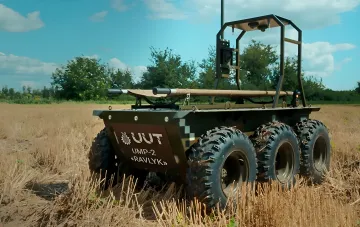
Igor Fedirko warned of critical risks related to tender deadlines. The procedure from announcing a tender to delivering complex products can take from three to six months. Due to unrealistic deadlines, some manufacturers refuse to participate in the bidding. At the beginning of 2026, the industry already experienced a five-month pause in contracting ground robotic systems. Experts insist that such a failure must not be allowed in the winter of 2027, as manufacturers cannot keep teams without orders for months and instantly resume serial production.