Iran seriously considered the possibility of launching a missile strike on a Ukrainian seaport in response to an attack on its commercial vessel in the Caspian Sea. This is reported by RBK-Ukraine, citing The New York Times, which has data on internal discussions in Tehran and plans for a possible escalation of the conflict.
Attack on the vessel and threat of retaliation
The incident that caused the tension occurred on Saturday. Ukraine struck an Iranian cargo ship in the Caspian Sea. As a result of the attack, one civilian sailor died, and another crew member was injured. Kyiv, in turn, accused Iran and Russia of mutually supporting each other's military operations, which became a catalyst for harsh statements from Tehran.
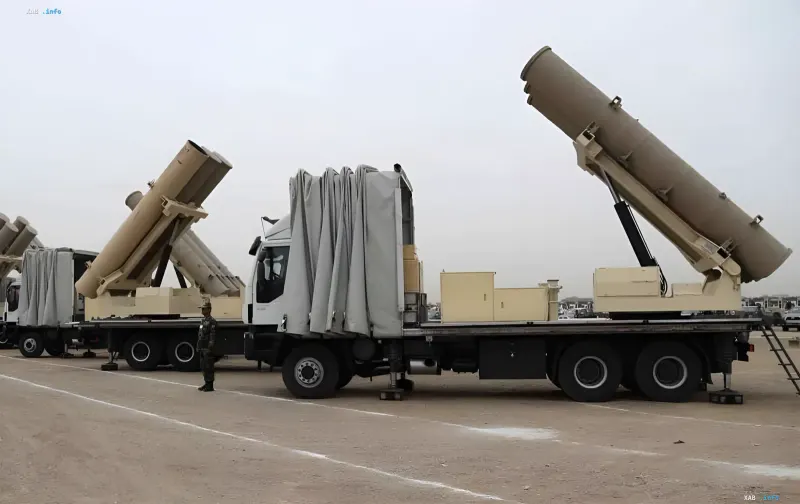
Iranian officials promised a response immediately after the attack. Intelligence data obtained by the publication indicates that Iran indeed planned to launch a ballistic missile with a small warhead. The target was intended to be a symbolic object to cause relatively minor damage while demonstrating determination. One of Ukraine's Black Sea ports was named as a probable target.
Risks of escalation and diplomatic de-escalation
Any launch of a missile from Iran into Ukrainian territory would have led to a sharp escalation of the conflict. This is a particularly risky step, considering Tehran's alliance with Moscow and the current tension between Iran and Kyiv. Iranian officials hoped that their own retaliatory strike would allow them to end the conflict and put a period to the matter.
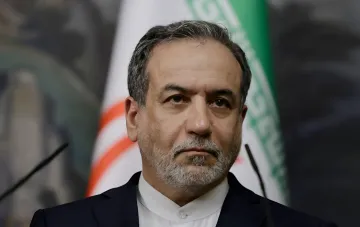
However, Western diplomats warned that Ukraine's reaction to such a step would be difficult to predict. On Sunday, Iranian Foreign Minister Abbas Araqchi called the attack on the vessel a violation of the UN Charter. According to him, the goal of the attack was to draw Europe into the war between Iran and the United States. "This cannot go unanswered," Araqchi wrote on social media.
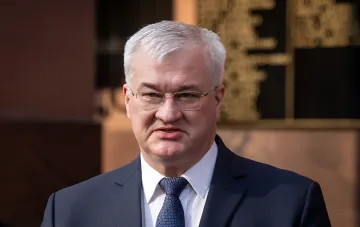
The situation began to change after diplomatic contacts. On Tuesday, a conversation took place between Ukrainian Foreign Minister Andriy Sybiha and Abbas Araqchi. After the conversation, the head of the Iranian MFA reported that his Ukrainian colleague called the attack on the vessel unintentional.
"Iran also does not seek escalation, but has made it clear that any attack on our citizens or interests is unacceptable. There must be compensation for the damage," Araqchi commented.
Tehran's measured approach
On the same day, the Iranian Foreign Minister held talks with the head of EU diplomacy, Kaja Kallas. The parties discussed ways to reduce tensions in the region. There were also debates within the Iranian leadership: an analyst close to the government, Mehdi Rahmati, said that some politicians insisted on a retaliatory strike, while others advised restraint.
"Ukraine is not a small, insignificant country. It has experience in waging war and logistical support from America and Europe. We will gain nothing by creating a new front in the war," Rahmati noted.
Recall that Andriy Sybiha called the head of the Iranian MFA immediately after Tehran's threats. He emphasized that Kyiv's actions are aimed exclusively at defending against Russian aggression and called on Iran to refrain from supporting Russia's war. Ultimately, Tehran confirmed that it does not seek escalation but insists on compensation for the damage caused.